
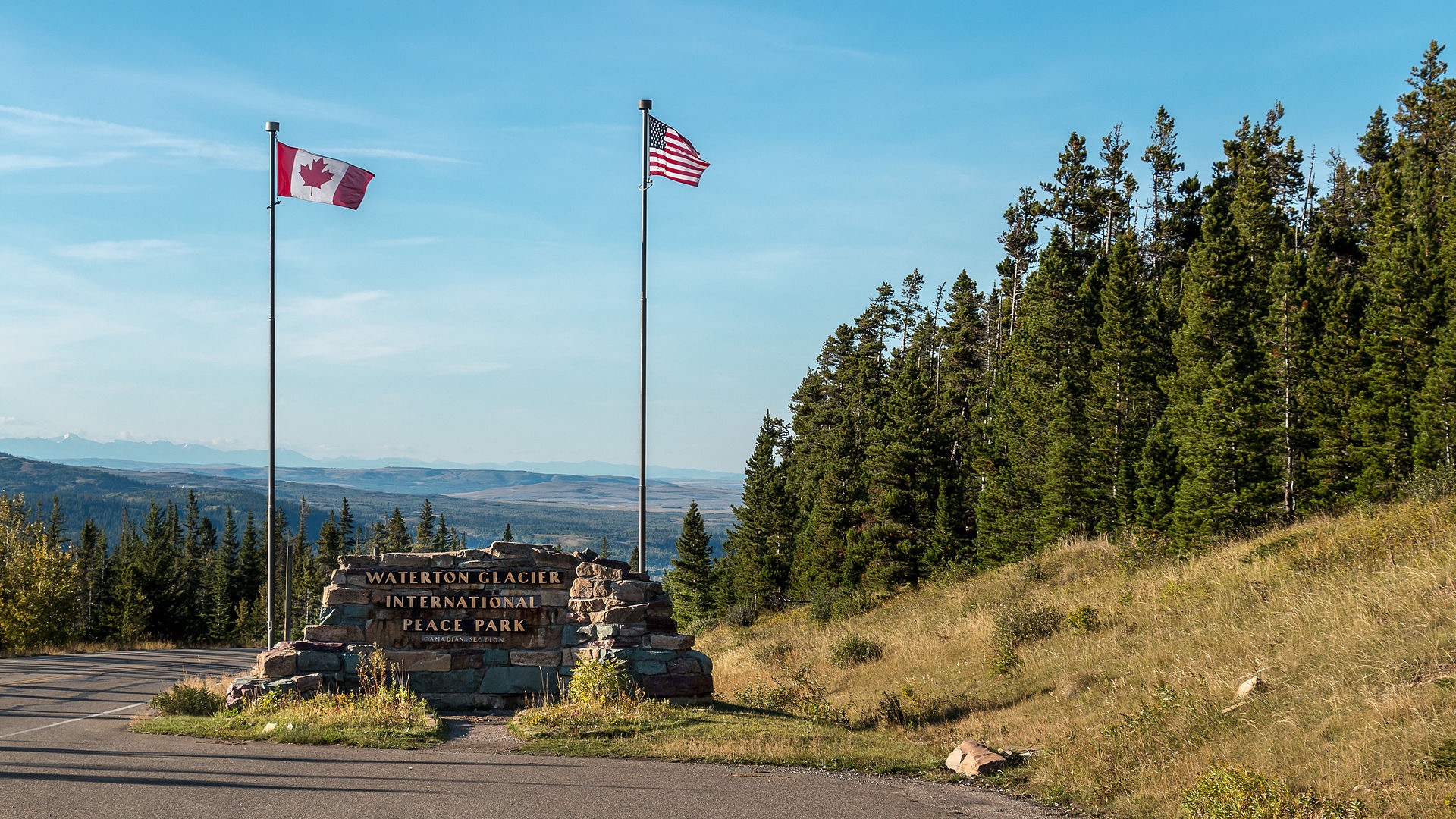
On June 18, 1932, the United States and Canada joined hands across the Rocky Mountains to create the Waterton–Glacier International Peace Park, the first protected wilderness to span two nations. The idea did not originate in government halls but in the Rotary Clubs of Montana and Alberta, whose members believed that shared landscapes could symbolize shared peace. Their vision became reality in a sweeping expanse of mirrored lakes, rugged peaks, and alpine meadows.
The Peace Park embodied a radical idea for its time: that nature recognizes no political boundaries, and that nations could choose cooperation over conflict. Linked by the remote roadway between Alberta Highway 6 and Montana Highway 17, the park became a living monument to international friendship. Its creation marked a moment when diplomacy took the form of mountains, forests, and sky.
