
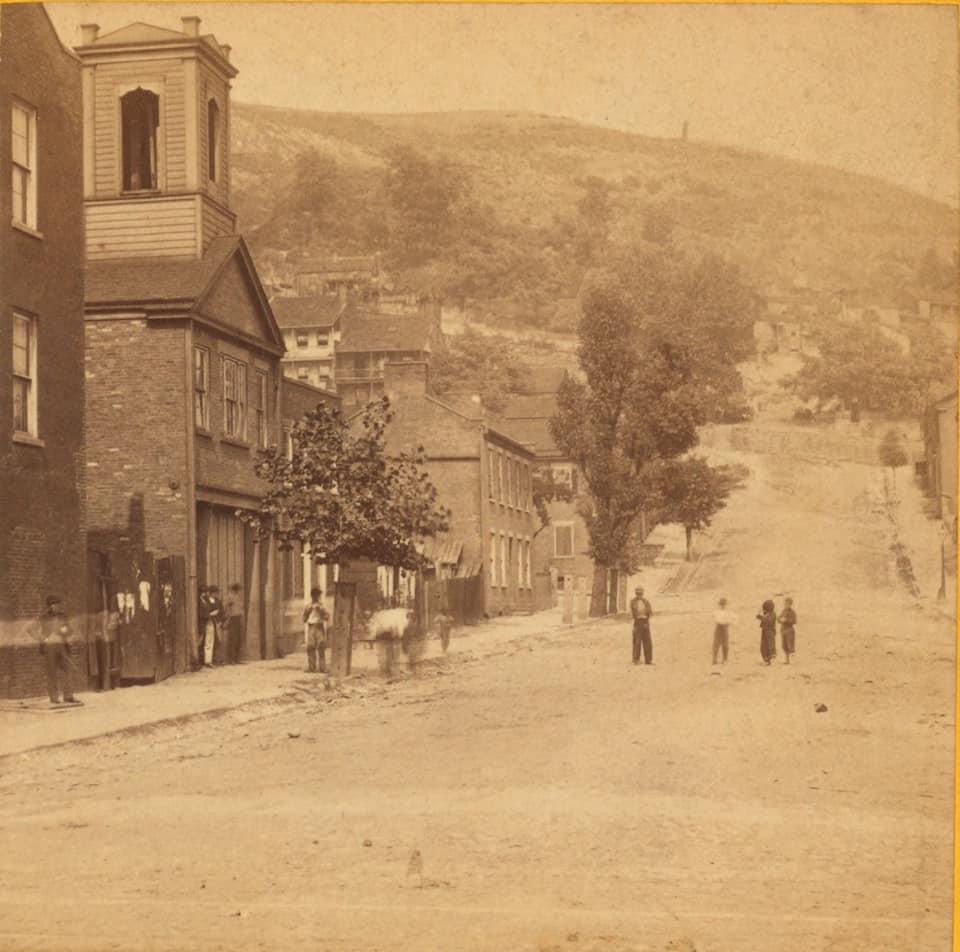
On June 20, 1863, West Virginia officially severed its ties with the Old Dominion to become the 35th state of the Union, a historic milestone born directly out of the internal fractures of the American Civil War. When Virginia voted to secede from the United States two years prior, the fiercely independent, non-slaveholding counties of the western Appalachian hills refused to abandon the federal government. Gathering in Wheeling, loyalist leaders orchestrated a bold political counter-maneuver to form a restored government, clearing the constitutional pathway for absolute statehood.
The deep emotional tragedy of West Virginia’s birth was the bitter, brother-against-brother warfare that ripped through its mountain hollows. Unlike states separated by clear geographic borders, families throughout the newly formed state were intimately torn apart, with neighbors taking up arms against neighbors under different flags. As the new state banner was raised in Wheeling under the mid-summer sun, the celebration was deeply sobering—serving as a triumphant victory for the preservation of the Union, but one bought at the cost of a permanent, domestic scar across the heart of Appalachia.
(Image: View of Wheeling c. 1863 via Wikimedia Commons, public domain)
