
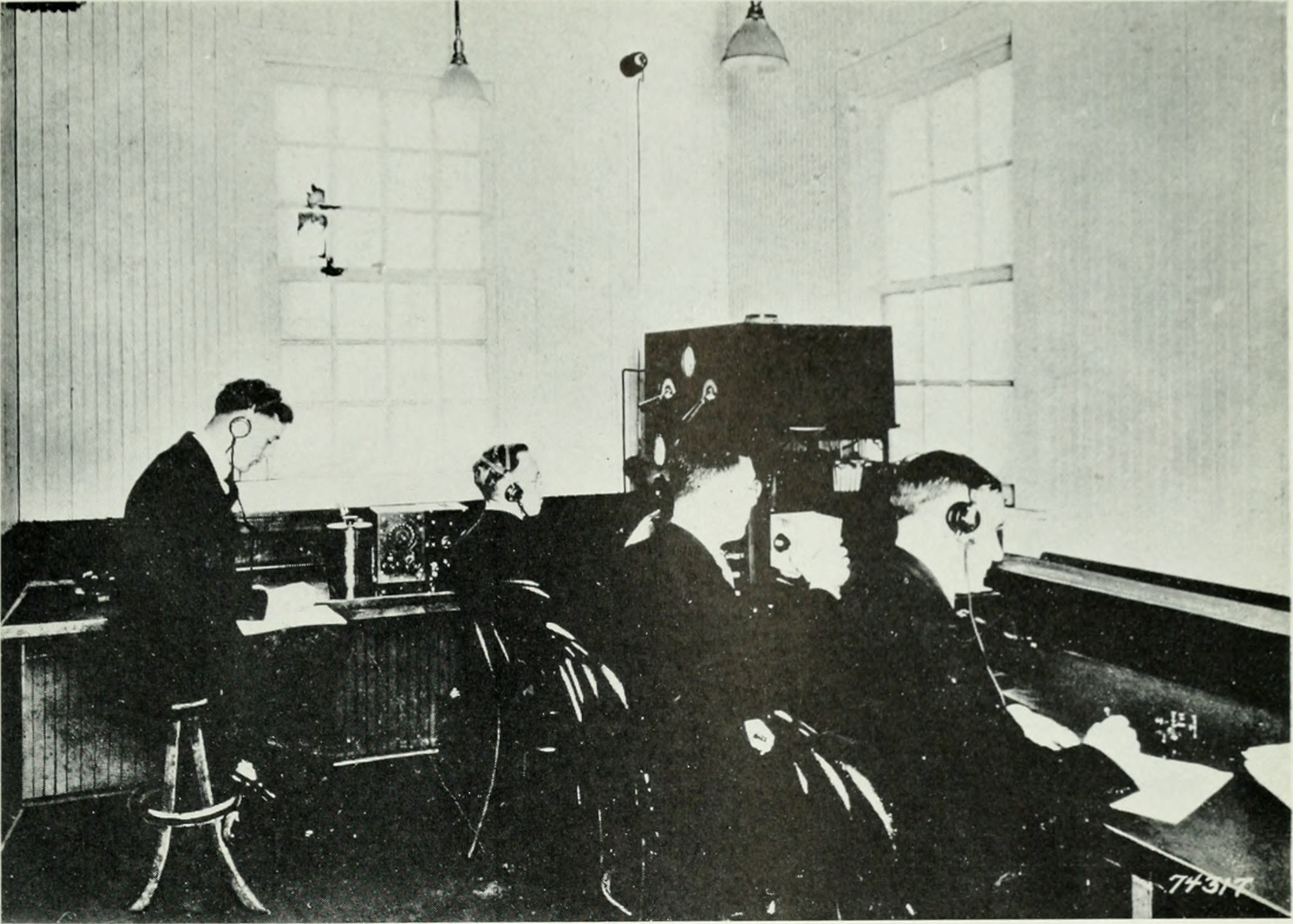
On the evening of November 2, 1920, a small team at Westinghouse’s East Pittsburgh plant gathered in a rooftop shack to broadcast the presidential election returns. Their equipment included a 100-watt transmitter. Their audience was small. But the broadcast would become one of the defining moments in the history of radio.
The station was KDKA, and the contest was between Republican Warren G. Harding and Democrat James M. Cox. Announcer Leo Rosenberg read the returns, receiving updates by telephone from the Pittsburgh Post. Recorded music filled the intervals between reports.
Americans were already accustomed to election news traveling quickly by telegraph and telephone. Crowds gathered outside newspaper offices to hear the latest results, while others waited for the next day’s paper. Radio offered another possibility: listeners could hear those updates without joining the crowd or waiting for print.
KDKA’s broadcast is widely recognized as the first commercial radio broadcast, although historians dispute the precise “first.” Earlier experiments and competing stations complicate the distinction. Its importance lies not only in that claim, but in its place near the beginning of radio’s emergence as a regular service for the public.
That November night did not create instantaneous communication. It helped demonstrate a new way to deliver it: a human voice carrying news through the air to people listening beyond the room.
From a rooftop in Pennsylvania, election night was becoming something Americans could experience through their headphones—and, eventually, through a radio in the living room.
