
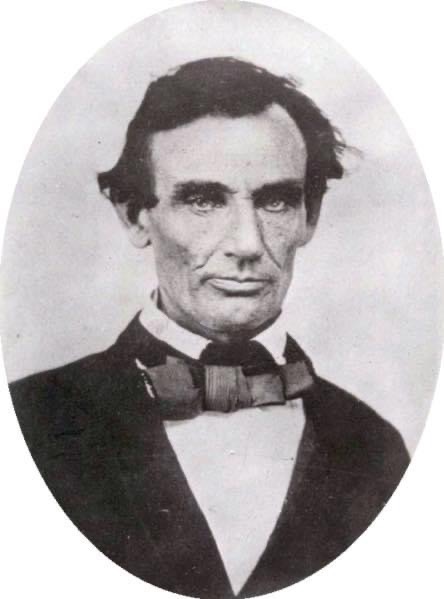
On June 16, 1858, inside the crowded hall of the Illinois State Capitol in Springfield, Abraham Lincoln stepped to the podium to deliver his legendary acceptance speech upon receiving the Republican nomination for the United States Senate. Addressing a nation fractured by bitter disputes over the westward expansion of chattel slavery, Lincoln issued a bold political warning by stating that a house divided against itself cannot stand. He drew the powerful, metaphoric phrase directly from the biblical Gospels of Mark, Matthew, and Luke, applying the ancient theological lesson to expose the ultimate vulnerability of a nation trying to exist half-slave and half-free.
Lincoln’s radical address directly challenged the cautious political consensus of the era, accurately predicting that the volatile sectional crisis would not settle until a definitive crisis was reached and passed. His fierce opponent, incumbent Senator Stephen A. Douglas, quickly used the speech to paint Lincoln as a dangerous radical who was actively trying to incite a civil war between the states. While Lincoln ultimately lost that specific senate election, the national publication of the speech catapulted him into the national spotlight, framing him as a premier philosophical voice of the anti-slavery movement and paving his direct path to the presidency two years later.
