
Between 1954 and 1961, CBS introduced four influential premieres — Father Knows Best, Captain Kangaroo, The Andy Griffith Show, and The Dick Van Dyke Show — programs that helped define mid‑century television genres from the family sitcom to educational children’s programming, small‑town comedy, and the workplace‑home comedy.
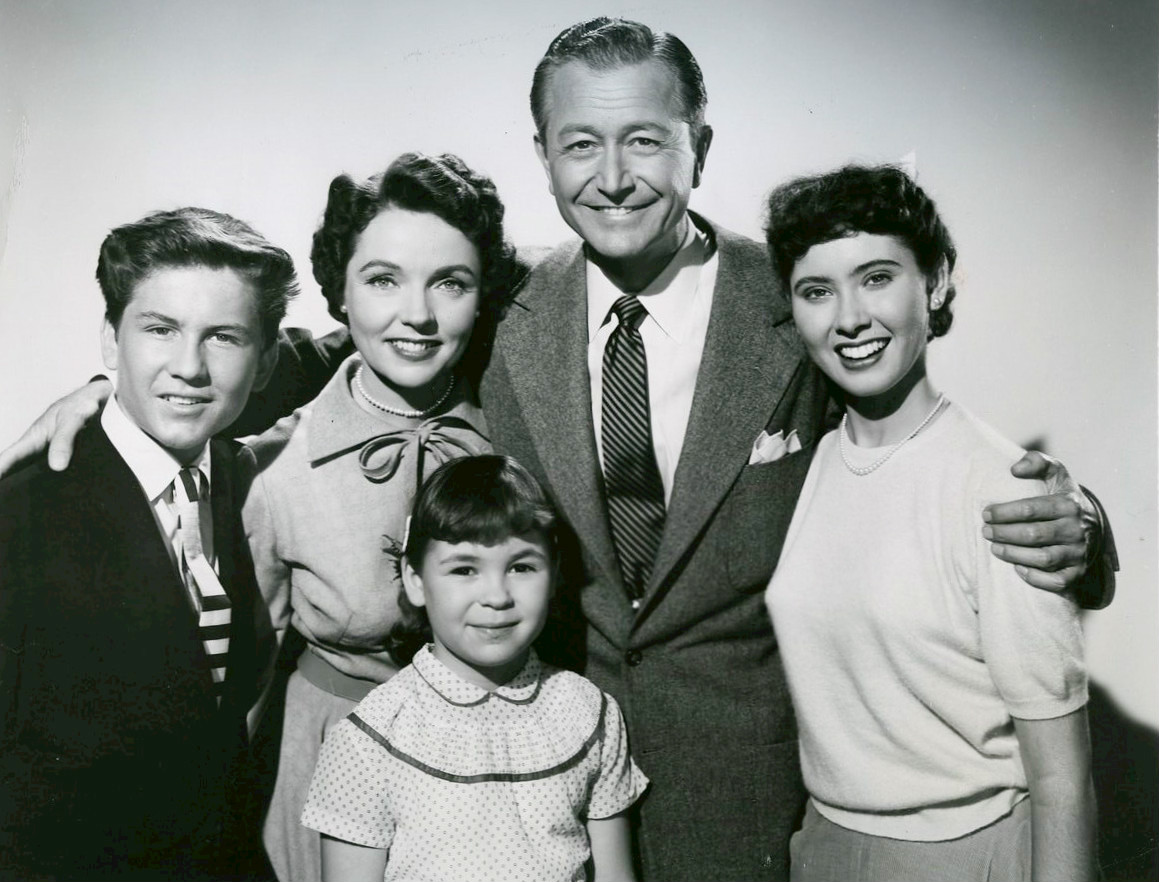
On October 3, 1954, Father Knows Best made its television debut on CBS after a successful five-year radio run. Starring Robert Young and Jane Wyatt as Jim and Margaret Anderson, the series became a defining example of the postwar domestic sitcom. Its broadcasting history also reflected the fierce competition of the network era: CBS canceled it after one season amid weak ratings, but viewer response helped prompt an NBC revival. After three seasons on NBC, the series returned to CBS, where it completed its original-episode run in 1960; later reruns continued on CBS and ABC into 1963. Its final original season ranked among television’s most successful programs.
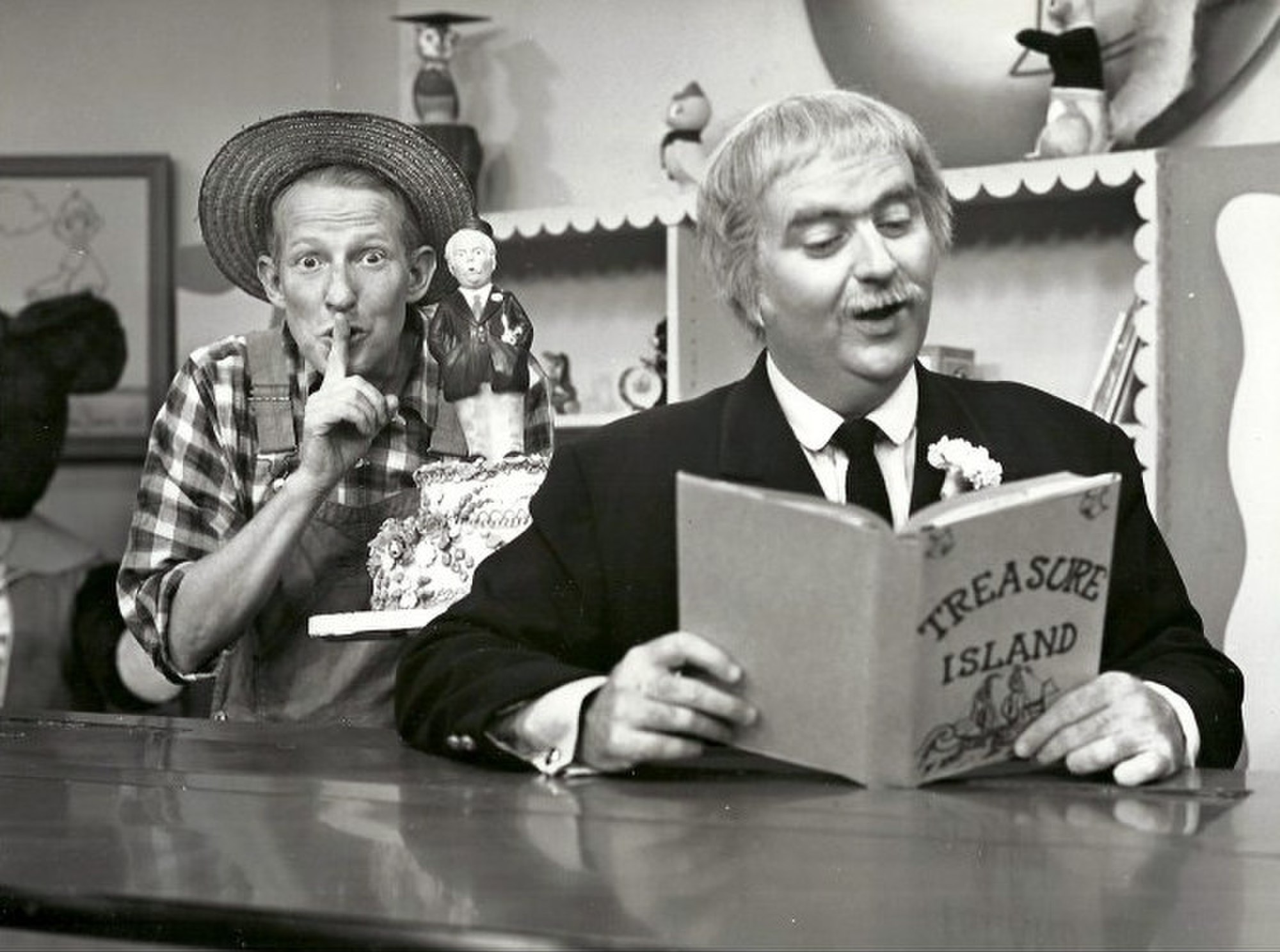
A year later, on the morning of October 3, 1955, Captain Kangaroo premiered on CBS. Created by and starring Bob Keeshan, the program offered a deliberately calm, friendly alternative to more frenetic children’s entertainment. Set in the Treasure House, it paired Keeshan with a memorable group of puppets and performers, including Hugh Brannum’s Mr. Green Jeans. The series remained on CBS for 29 years, earning recognition as the longest-running network children’s program of its time and becoming a formative part of the American morning-television experience.
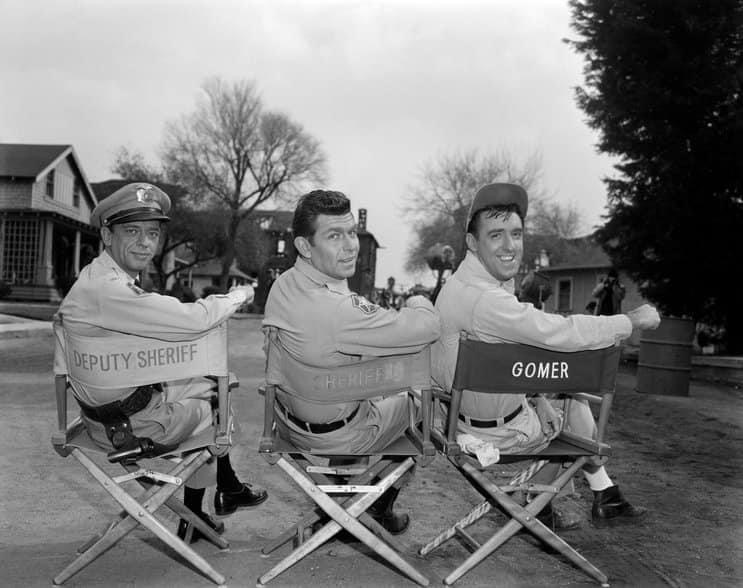
On Monday, October 3, 1960, The Andy Griffith Show made its CBS debut, following a pilot appearance by Andy Griffith’s character on The Danny Thomas Show. Set in the fictional North Carolina town of Mayberry, the series developed a relaxed, character-centered comic style around widowed sheriff Andy Taylor, his young son Opie, and his excitable deputy, Barney Fife, played by Don Knotts. Its identity was further cemented by its celebrated whistled theme, composed by Earle Hagen and associated with “The Fishin’ Hole.”
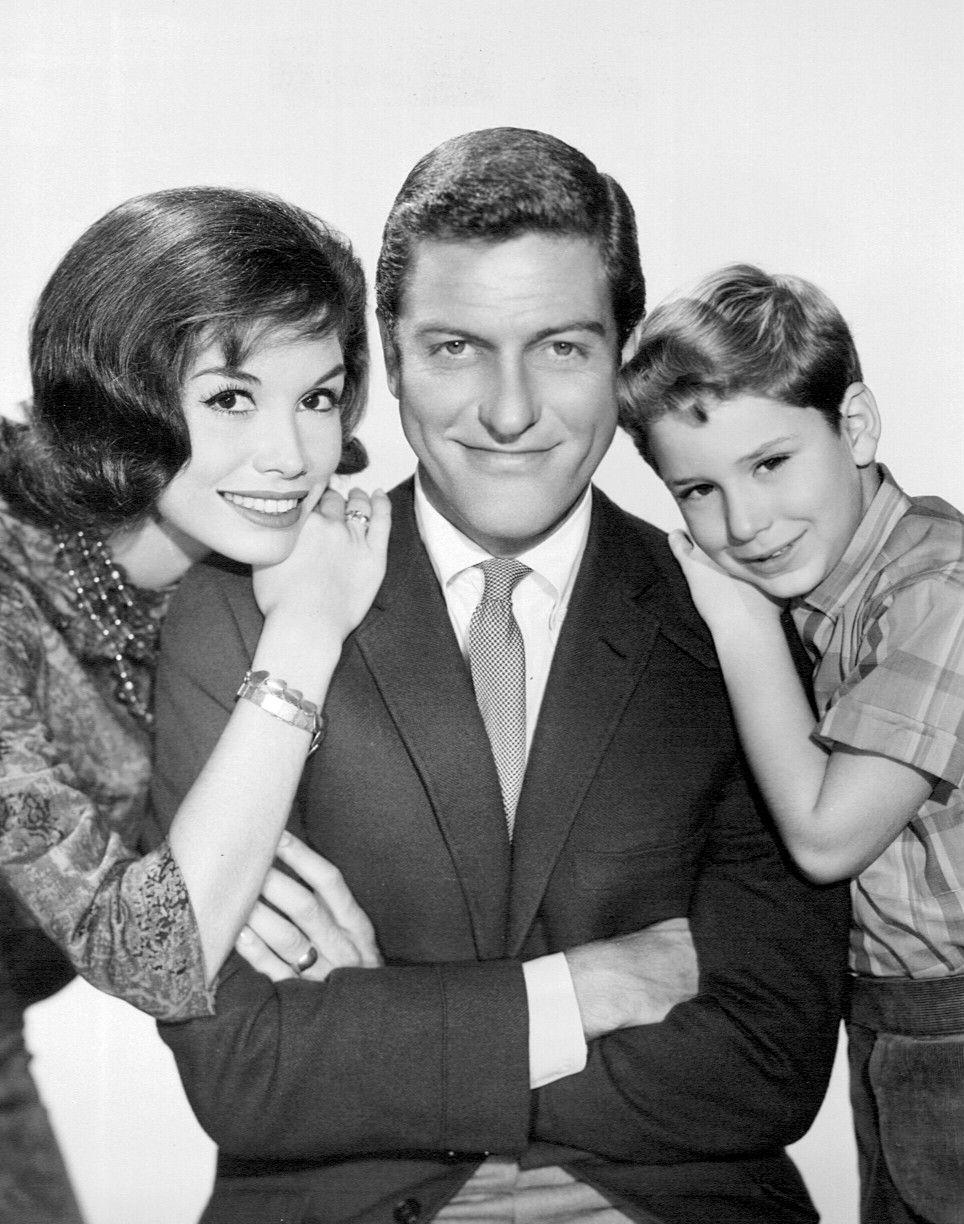
On October 3, 1961, The Dick Van Dyke Show debuted on CBS. Created by Carl Reiner, the comedy followed television writer Rob Petrie, played by Dick Van Dyke, moving between the fast-paced world of a Manhattan comedy-writing office and his home life with Laura Petrie, played by Mary Tyler Moore. The format let the series combine backstage satire, polished ensemble writing, physical comedy, and domestic storytelling in a way that expanded the possibilities of the sitcom. Over five seasons, it received 15 Emmy Awards, underscoring both its critical distinction and lasting influence.
