
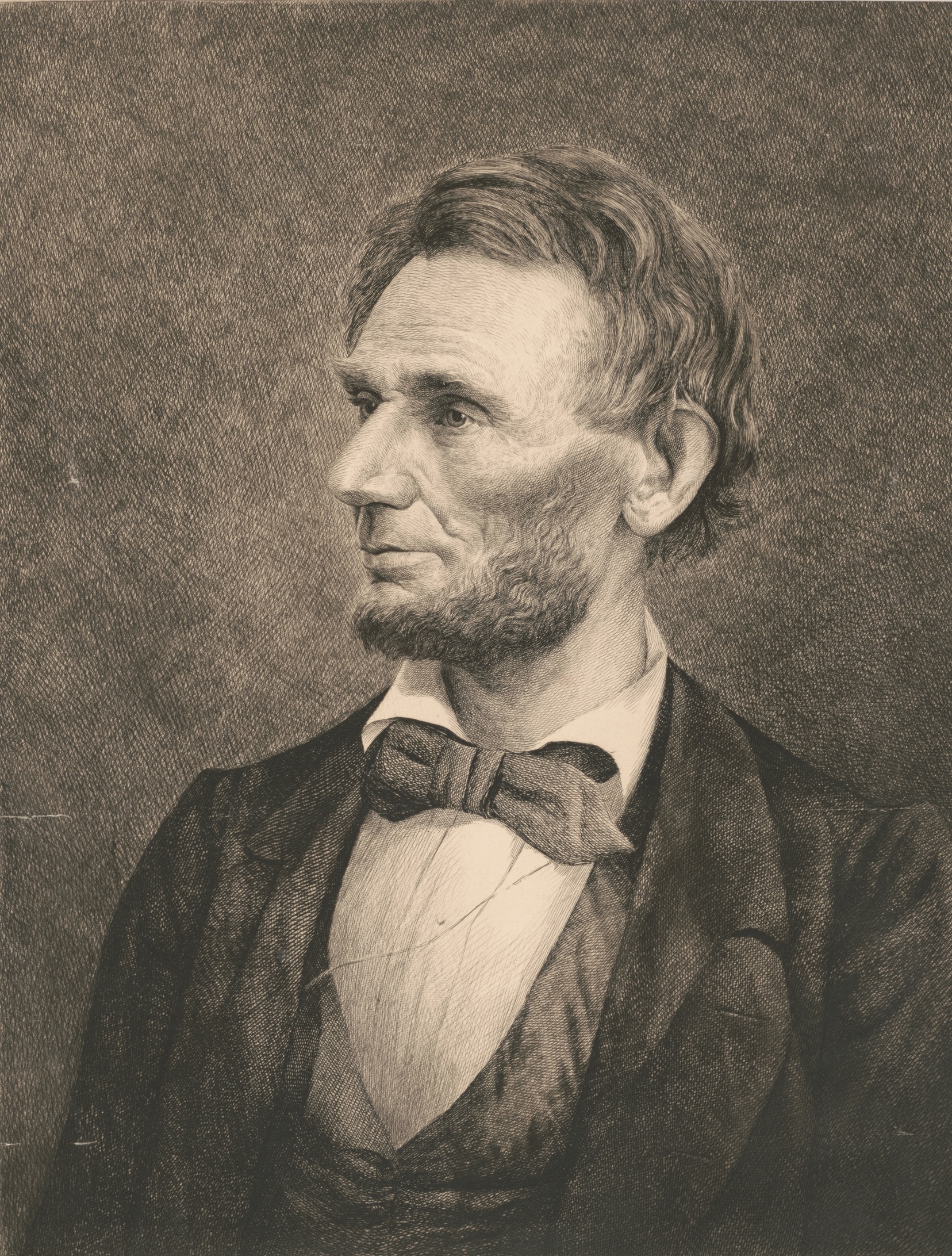
On November 10, 1860, a mere four days after winning the presidency, Abraham Lincoln walked into his local Springfield, Illinois drugstore to purchase a bottle of tonic and a container of “Hair Balsam.” The mundane storefront receipt preserves a remarkable visual and biographical turning point in the physical identity of the nation’s executive leadership. At that precise historical moment, Lincoln was actively beginning to grow the full, thick beard that would rapidly transform his gaunt features into the most iconic, universally recognized silhouette in American history.
The decision to completely alter his clean-shaven appearance was famously catalyzed by an eleven-year-old girl named Grace Bedell, who had written to Lincoln during the heat of the campaign, candidly suggesting that his face was far too thin and that he would look much better if he grew whiskers to appeal to women voters. Recognizing the unique value of public image on the eve of a national crisis, Lincoln quietly adopted the suggestion during the post-election transition period. This simple, daily routine of personal grooming was deeply entwined with a massive psychological shift, as a self-made frontier lawyer prepared his physical appearance to project a sense of paternal gravity and unyielding authority.
The enduring historical value of this November 10 receipt lies in its unvarnished intimacy, freezing an ordinary moment of domestic consumer life just before the storm of secession completely engulfed Lincoln’s world. By tracing the literal birth of his beard through a common drugstore log, the archival record lifts the president beyond the sterile realm of marble monuments, showing a human being deliberately crafting a persona to anchor a fractured republic. The simple slip of paper documents the precise week an everyday citizen stepped across the threshold of local routine, utilizing a simple bottle of hair balsam to forge a visual archetype designed to withstand the fires of total war.
