

The history of the United States has been shaped by individuals whose influence extended beyond politics, business, and military affairs. These five canonized saints contributed to American society through education, charitable work, missionary efforts, and personal example. Although their paths differed, their lives illuminate the roles of faith, education, immigration, and Indigenous experience in the American story.
St. Elizabeth Ann Seton (1774–1821)
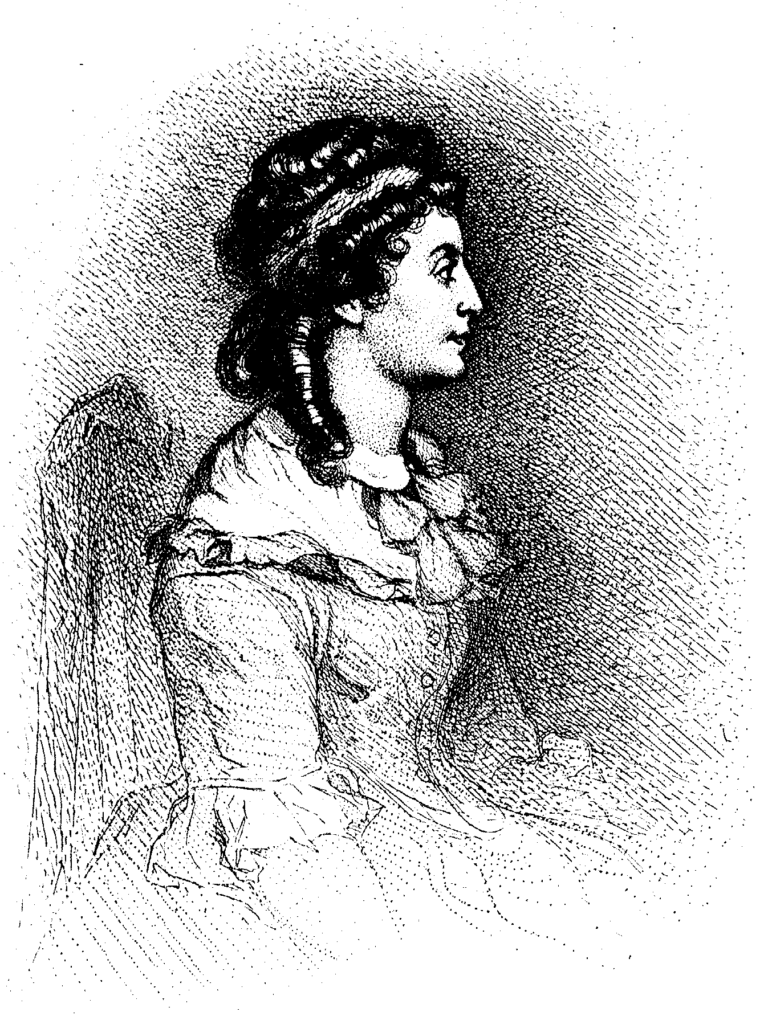
St. Elizabeth Ann Seton was the first U.S.-born person canonized as a saint. Born in New York City and raised in the Episcopal tradition, she converted to Catholicism after the death of her husband. As a widowed mother of five, she devoted herself to education, charitable service, and religious life.
In 1809, Seton founded the Sisters of Charity of St. Joseph in Emmitsburg, Maryland, the first apostolic religious community of women founded in the United States. She also established a school for girls that helped lay the foundations of American Catholic education. Her work and the community she founded supported generations of schools, teachers, and charitable institutions.
St. John Neumann (1811–1860)
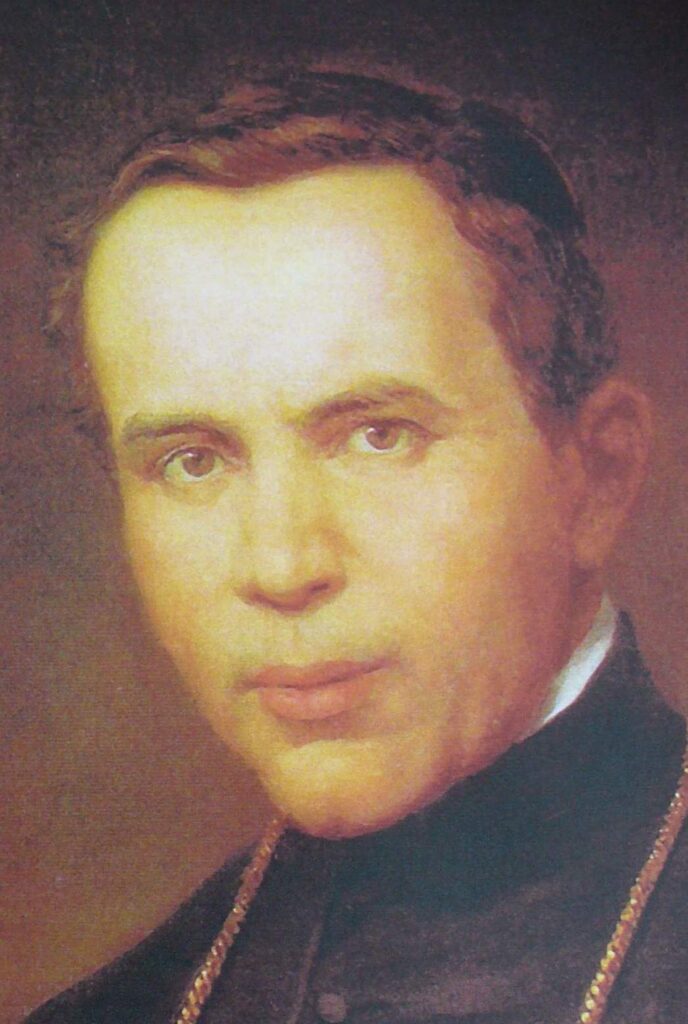
Born in Bohemia, in what is now the Czech Republic, St. John Neumann immigrated to the United States and became a priest serving a growing Catholic population. He later became the fourth bishop of Philadelphia, where pastoral care for immigrant communities and the expansion of Catholic education became central to his ministry.
Neumann is credited with establishing the first diocesan Catholic school system in the United States. His work strengthened educational opportunities for immigrant families seeking to preserve their faith while building lives in a new country. Where Seton helped lay the foundations of Catholic schooling, Neumann expanded its reach through diocesan organization and leadership.
St. Katharine Drexel (1858–1955)
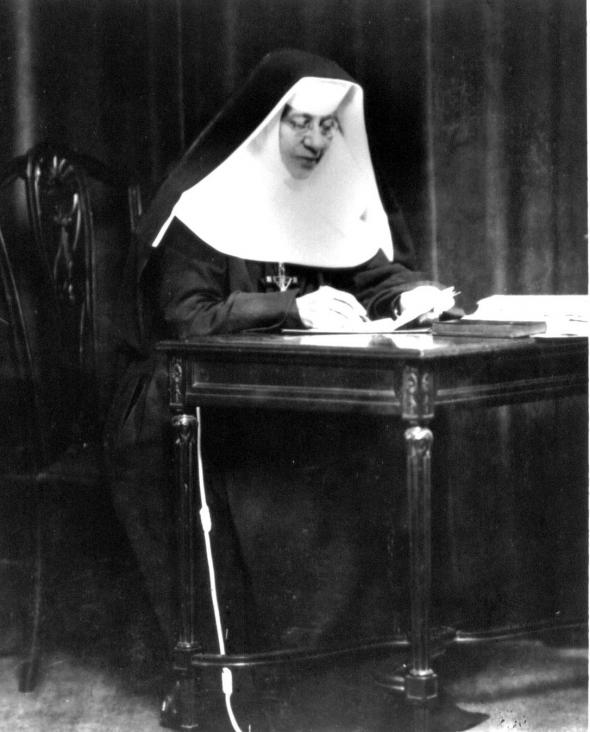
Born into a wealthy Philadelphia family, St. Katharine Drexel dedicated her fortune and religious vocation to serving Native American and African American communities. In 1891, she founded the Sisters of the Blessed Sacrament, placing education and missionary work at the center of the congregation’s mission.
Drexel supported schools and missions in communities facing racial discrimination and limited educational opportunities. Among her most enduring accomplishments was the founding of Xavier University of Louisiana, which remains the nation’s only historically Black Catholic university. Her work connected religious service with the practical task of expanding access to education.
St. Frances Xavier Cabrini (1850–1917)
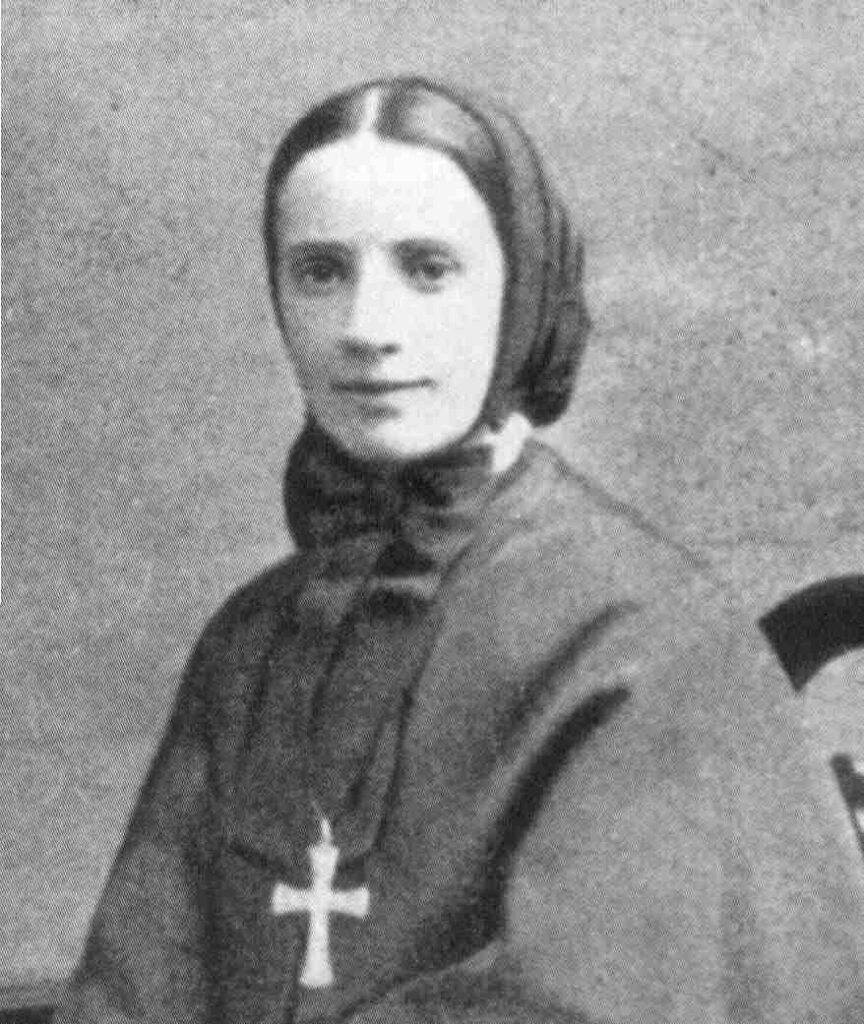
Born in Italy, St. Frances Xavier Cabrini became the first U.S. citizen canonized as a saint, having become a naturalized American citizen. As founder of the Missionary Sisters of the Sacred Heart of Jesus, she brought her ministry to the United States during an era of large-scale immigration.
Mother Cabrini and members of her religious community established schools, hospitals, orphanages, and other charitable institutions serving immigrants. Their work combined spiritual care with practical assistance for families building new lives in unfamiliar surroundings. Her enduring association with immigrant communities was formally recognized when she was named the patron saint of immigrants.
St. Kateri Tekakwitha (1656–1680)
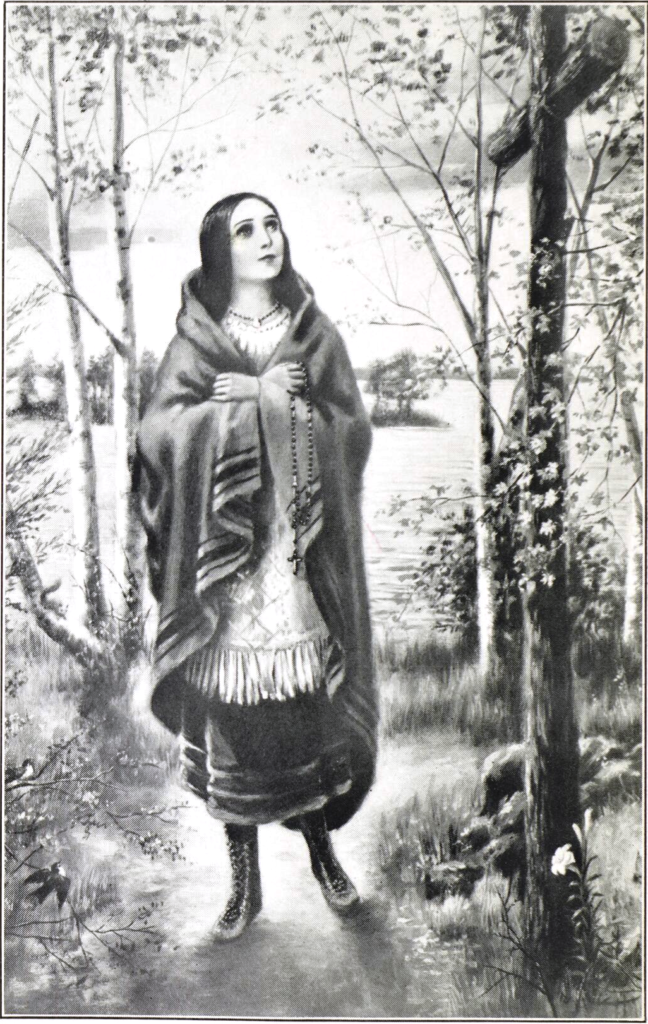
Known as the “Lily of the Mohawks,” St. Kateri Tekakwitha became the first Native American saint. She was born in present-day New York to a Mohawk father and a Christian Algonquin mother, decades before the founding of the United States. Her story belongs to the broader history of Indigenous North America and the encounters between Native peoples and Christianity.
After embracing the Catholic faith, Kateri faced opposition and later moved to a mission near Montreal. There she became known for her devotion to prayer and her care for the sick and elderly. Unlike the other saints profiled here, her legacy rests less on institutions than on the enduring example of her spiritual life and commitment to her beliefs. She was canonized in 2012.
Together, these five saints illustrate different forms of influence in American history. Seton and Neumann strengthened Catholic education, Drexel expanded educational opportunities for communities facing exclusion, and Cabrini built institutions serving immigrants. Kateri’s life offers a different perspective: a story of Indigenous Catholic faith rooted in North America before the United States existed. Their legacies connect institutional achievement with the quieter influence of service, conviction, and personal example.



Leave a Reply