
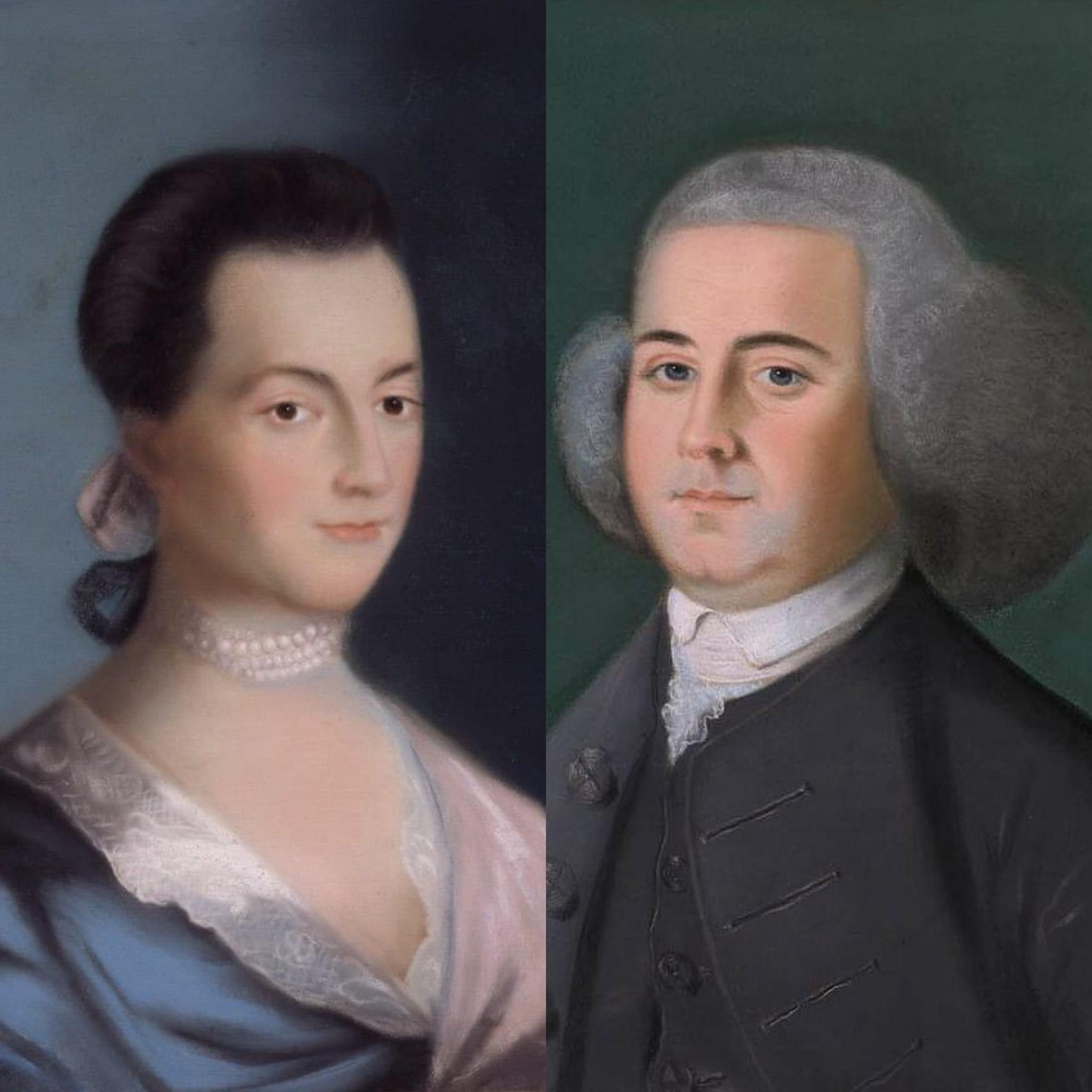
On October 25, 1764, Abigail Smith married John Adams, a young Massachusetts lawyer. Their marriage began a lifelong relationship whose surviving correspondence offers an unusually intimate view of the American founding—from arguments over independence to the demands that public service placed on a family.
Their partnership developed through conversation, correspondence, and long periods of separation. As John’s legal work and political responsibilities took him away from home, letters became an essential connection between them. More than 1,100 survive, documenting exchanges about politics, diplomacy, war, public opinion, and their shared private life. Abigail emerges from this record not simply as a recipient of John’s news, but as a perceptive observer with strong judgments of her own.
Her best-known appeal came on March 31, 1776, while John was serving in the Continental Congress in Philadelphia. Anticipating independence and the creation of new laws, she urged him to “Remember the Ladies” and warned against placing “unlimited power into the hands of the Husbands.” The letter joined the revolutionary question of political representation to the unequal power women faced within marriage.
The enduring significance of their union lies in the correspondence it produced: a record of affection and intellectual exchange that brings public events into close contact with private experience. Read together, their letters reveal the founding era not only as a struggle over government, but as a transformation experienced within a marriage and a family.
