
On October 24, 1861, construction crews completed the first transcontinental telegraph connection at Salt Lake City, linking the existing telegraph networks of the eastern United States and California. Messages that had depended on overland transportation could now travel by wire, dramatically reducing the time needed to communicate across the continent. Completed during the Civil War, the line also became a powerful symbol of connection between the Pacific Coast and the Union.
The project had federal backing before the war began. President James Buchanan signed the Pacific Telegraph Act on June 16, 1860, authorizing government support for construction and maintenance. Western Union secured the contract, and two companies undertook the work: the Pacific Telegraph Company built westward from Omaha, while the Overland Telegraph Company built eastward from Carson City. Working toward the same goal, their crews nevertheless competed to reach Salt Lake City first. The western section arrived on October 24, completing the connection.
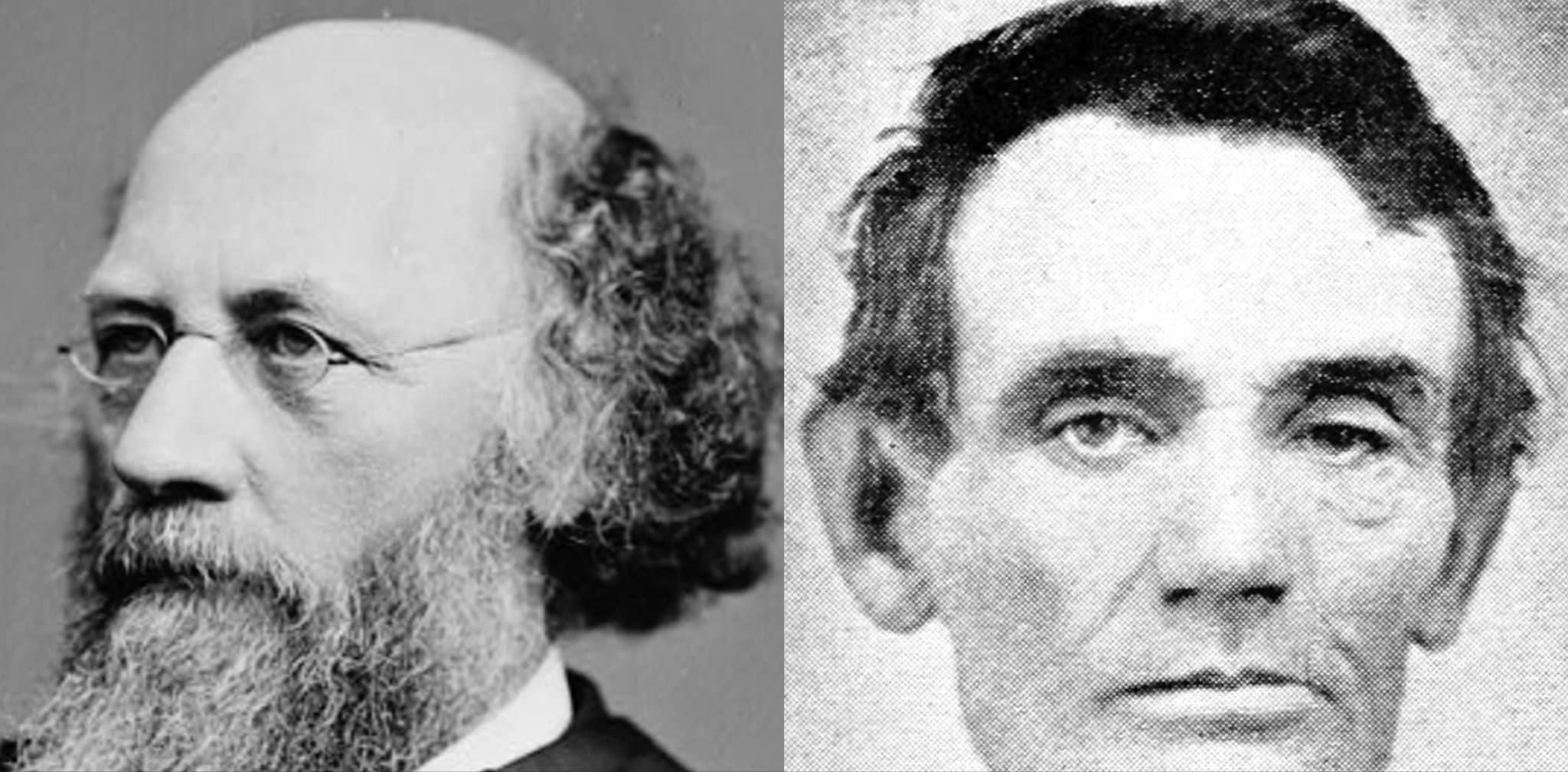
That evening, California Chief Justice Stephen J. Field (left) sent one of the first transcontinental messages to President Abraham Lincoln (right). Received the following morning, his telegram celebrated the achievement and affirmed California’s loyalty to the federal government during the national crisis. The new line also rendered the Pony Express obsolete; the horseback mail service officially closed on October 26, just two days after the connection was completed.
The achievement was not instantaneous communication in the modern sense, but it fundamentally changed the relationship between distance and information. The line accelerated correspondence, carried war news, and strengthened communication between government officials and military posts across the West. Its enduring significance lay in joining previously separated networks into a continental system—an important step toward the increasingly connected communications world that followed.
