
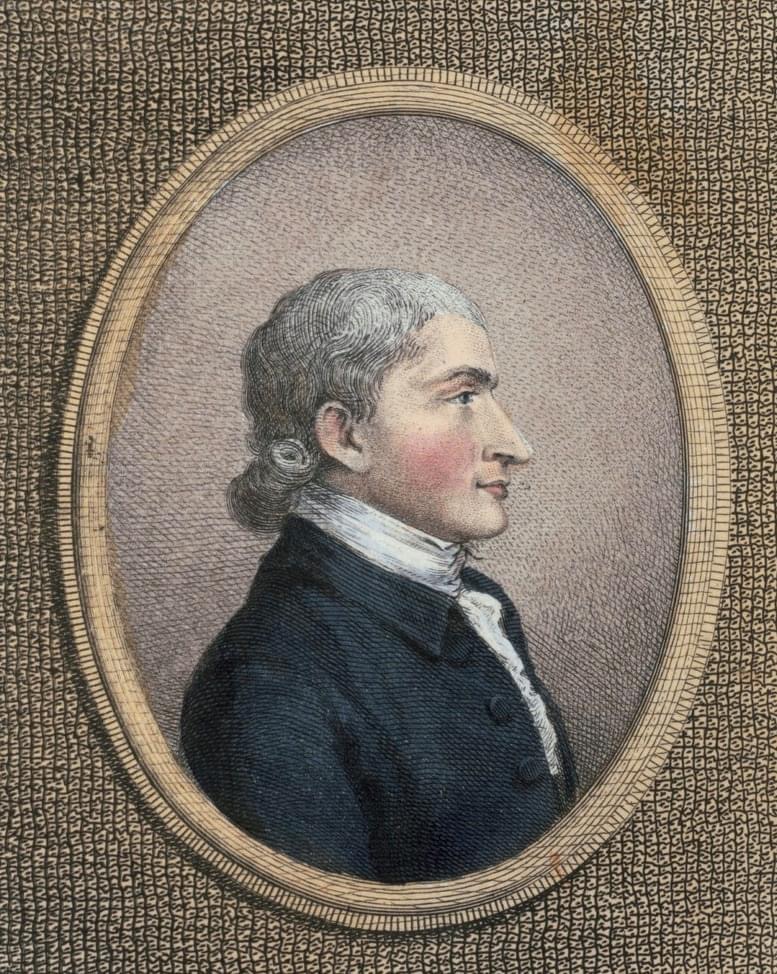
On October 19, 1789, statesman and diplomat John Jay took his oaths as the first chief justice of the United States, marking an important step in bringing the new federal judiciary into operation. President George Washington had nominated him on September 24, and the Senate confirmed him two days later. Jay assumed leadership of a Supreme Court that had yet to hold its first session, helping turn a new constitutional institution into a working court.
The practical challenges were considerable. When the Court assembled for its inaugural term in February 1790, it had no cases on its docket. Under the Judiciary Act of 1789, its justices also had to “ride circuit,” traveling to preside over federal circuit courts. Jay and his colleagues therefore served not only on the nation’s highest court but also as working judges bringing the new federal judicial system into communities across the states.
Jay used those circuit-court appearances to explain the responsibilities of republican government. In his 1790 charges to grand juries, he described Americans as having unusually favorable opportunities to choose and establish their own government—and emphasized their responsibility to use those opportunities well. These addresses connected the everyday administration of justice with the larger task of sustaining the constitutional order.
Jay resigned on June 29, 1795, to become governor of New York, ending a tenure of less than six years. His legacy lay not in completing the Supreme Court’s development, but in helping guide its beginnings: presiding over its earliest sessions, carrying out its circuit duties, and explaining the new judiciary’s place in American public life. His swearing-in marks a milestone in the effort to turn the Constitution’s judicial framework into a functioning institution.
