
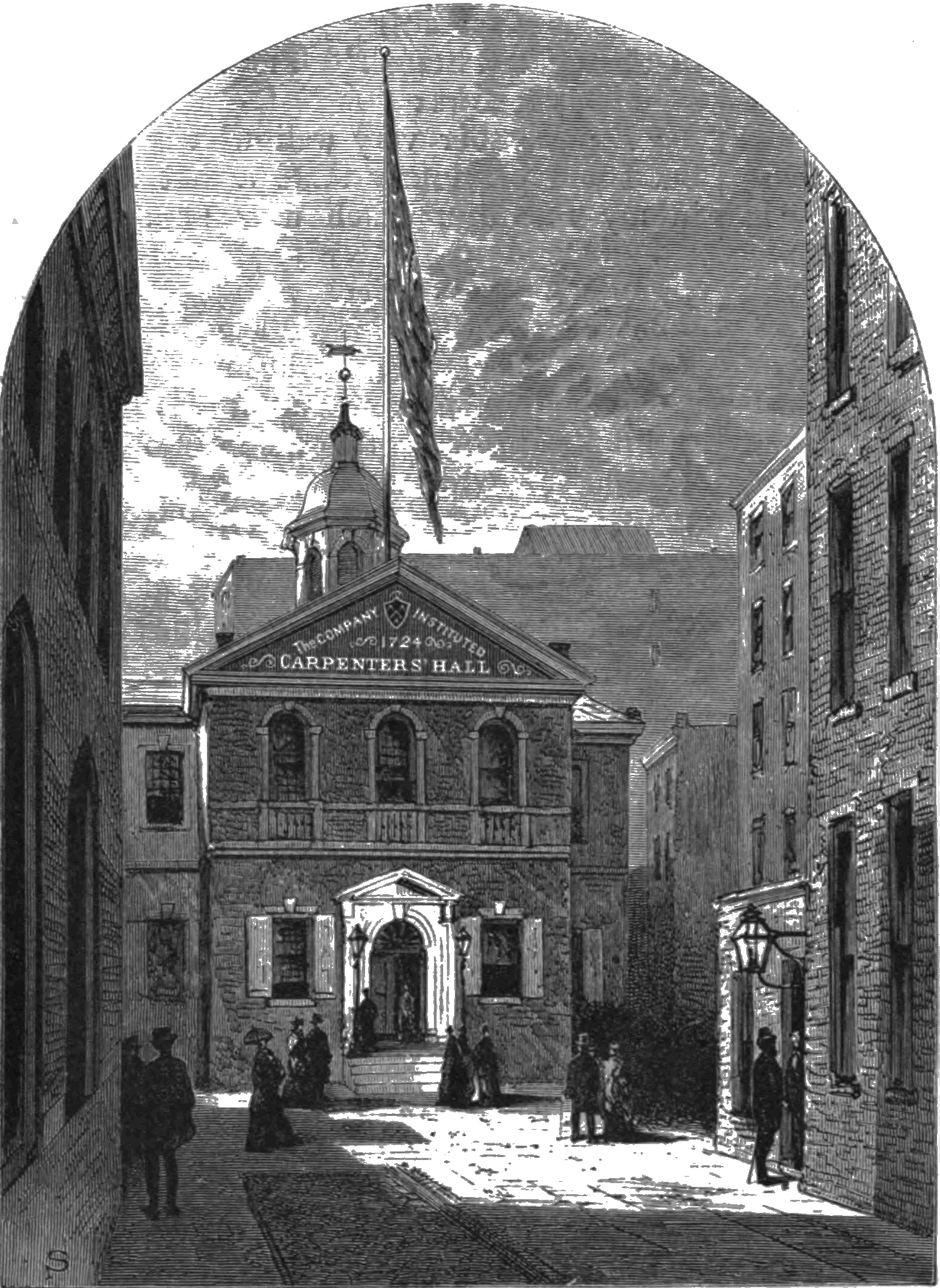
On October 14, 1774, the First Continental Congress, meeting at Carpenters’ Hall in Philadelphia, adopted its Declaration and Resolves, a landmark statement responding to Great Britain’s punitive Coercive Acts—known in America as the Intolerable Acts. Delegates from twelve of the thirteen colonies gathered to articulate shared grievances against Parliament’s threats to colonial self-government, trade regulation, and the quartering of troops. The document helped unify colonial resistance and articulated a constitutional framework for the colonists’ relationship with Britain.
The foundation of the document was its first resolve, which challenged the extent of British imperial authority. It declared that the inhabitants of the English colonies in North America were entitled to life, liberty, and property, and that they had never ceded to any sovereign power the right to dispose of those rights without their consent. By grounding these claims in natural law as well as the English constitution and colonial charters, the delegates laid important ideological groundwork for the American Revolution. Although the Congress did not yet call for independence, the Declaration and Resolves transformed colonial protest into a coordinated assertion of rights and became an early chapter in the movement toward American nationhood.
