
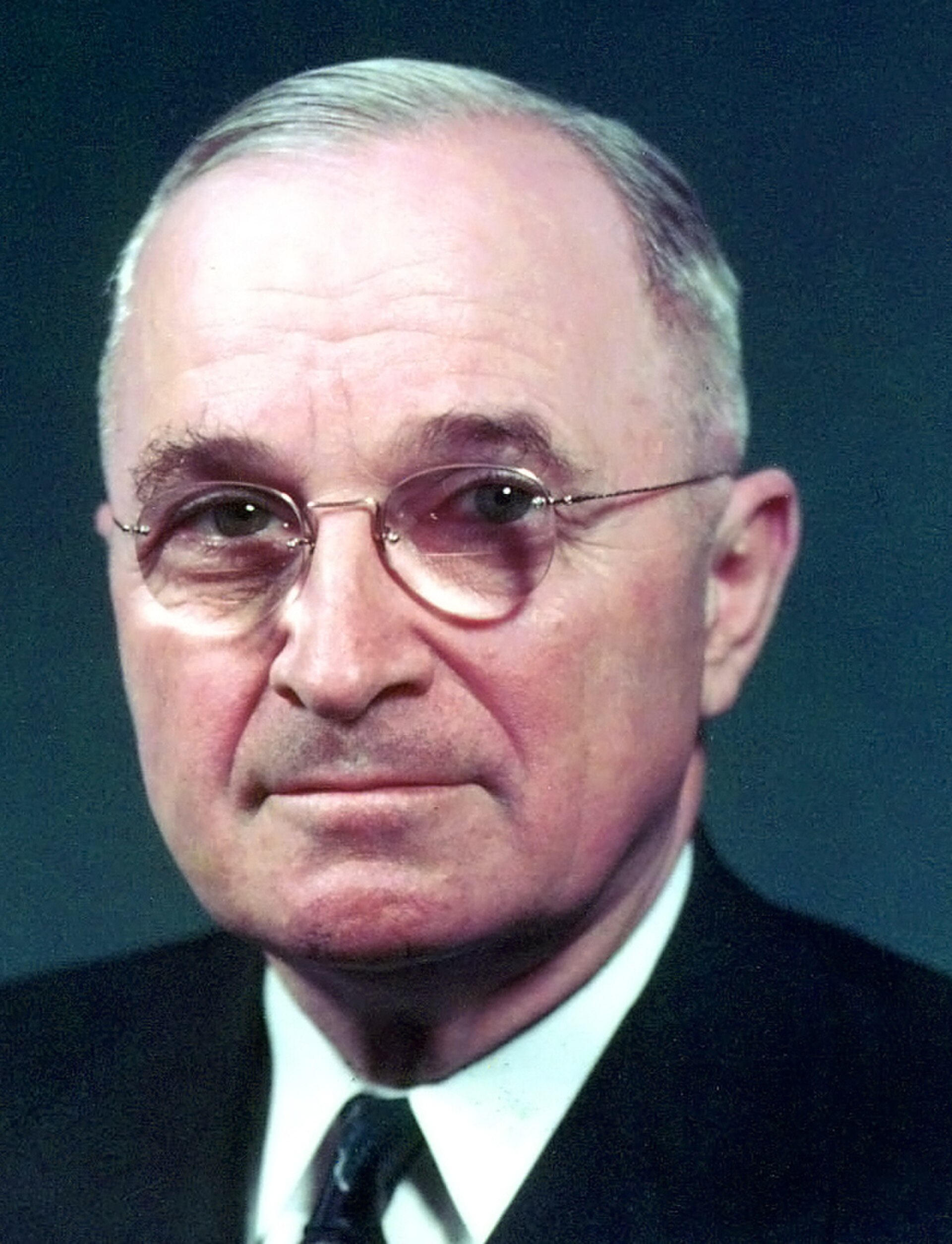
On October 5, 1947, President Harry S. Truman delivered the first televised presidential address from the White House, as part of a Citizens Food Committee program. Television was still a niche medium—only about 44,000 U.S. households had sets—but the broadcast was an early milestone in the relationship between television and the presidency.
Truman appealed for voluntary food conservation to help relieve severe shortages in postwar Europe. He asked Americans to avoid meat on Tuesdays, poultry and eggs on Thursdays, and to save a slice of bread each day, while also calling on major users of grain to reduce consumption. The appeal complemented the broader U.S. effort to support European recovery during the Marshall Plan era.
The event’s strongest historical claim is that it was the first televised White House presidential address—not the first presidential television appearance of any kind, and not necessarily the moment television became a mass political medium. Its audience was initially small, but it helped establish the White House as an eventual center of televised presidential communication.
