
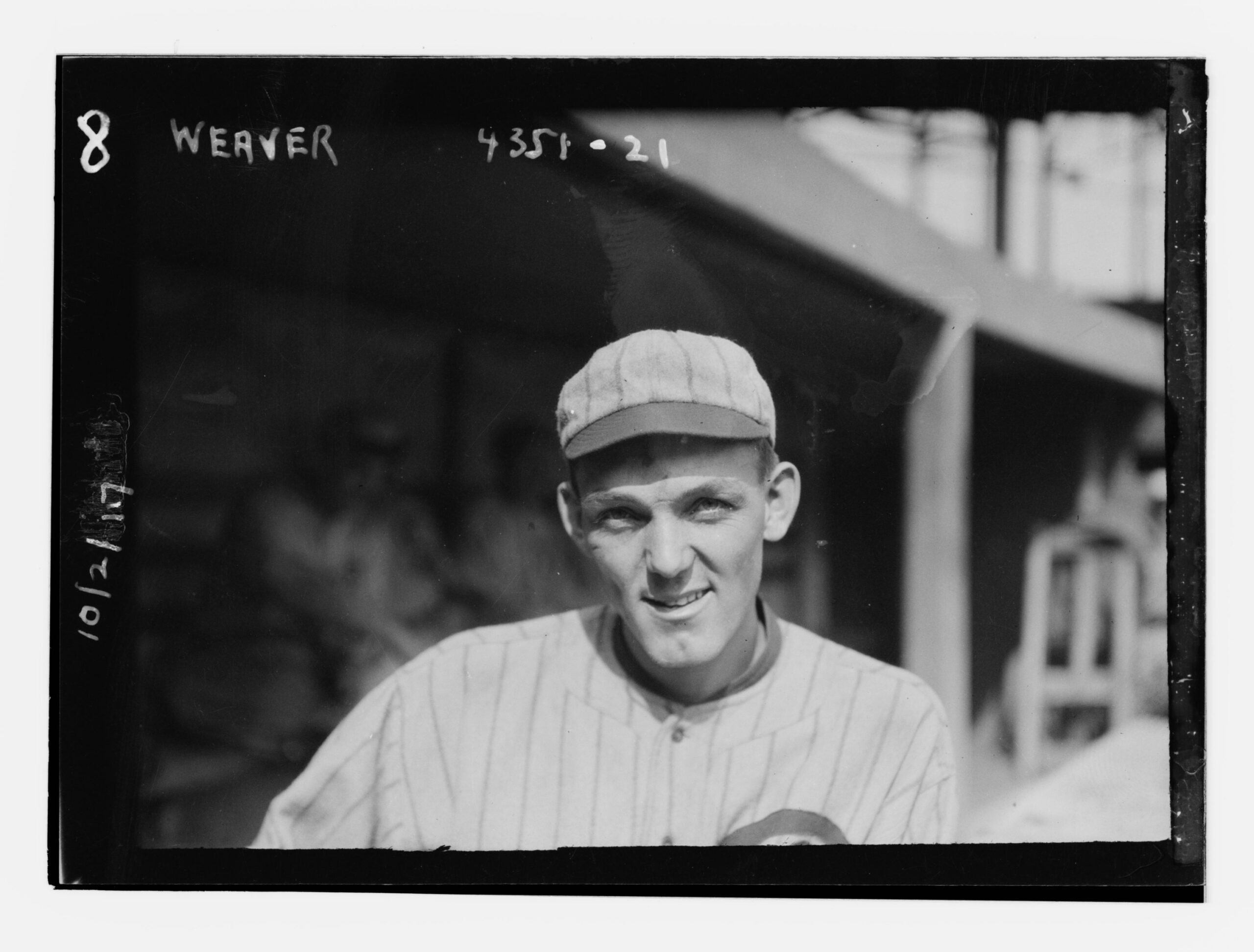
The fraught intersection of sporting integrity, personal loyalty, and moral responsibility came into focus in the career of Chicago White Sox third baseman George “Buck” Weaver. Photographed on October 2, 1917, at the height of his playing days, Weaver was regarded as a fierce competitor and one of the Deadball Era’s outstanding defensive infielders. Yet his legacy would be permanently overshadowed by the 1919 “Black Sox” scandal.
During the 1919 World Series against the Cincinnati Reds, a group of White Sox players conspired with gamblers to deliberately lose the championship in exchange for money. Weaver attended meetings in which the proposed fix was discussed, but he denied agreeing to participate and did not receive a payoff. On the field, he played all eight games, went 11-for-34 for a .324 batting average, and made no errors in 27 chances—statistics that have long fueled the argument that he competed honestly throughout the Series.
After the scandal became public in 1920, Weaver and seven other White Sox players were tried and acquitted of criminal conspiracy charges in 1921. Commissioner Kenesaw Mountain Landis nevertheless imposed permanent bans on all eight men. Landis’s position was uncompromising: a player who attended discussions of a plan to throw games and failed to report it to his club could not remain in organized professional baseball. Weaver’s punishment therefore rested not on proof that he threw games or accepted money, but on what Landis considered his “guilty knowledge” and silence.
Weaver spent the rest of his life seeking reinstatement. He maintained that he had not joined the conspiracy and had never taken payment, while baseball authorities continued to view his silence and association with the plotters as sufficient grounds for exclusion. His case remains one of American sports history’s most enduring—and contested—stories of athletic exile: a player punished not for a proven act of game-fixing, but for failing to expose one.
Image credit: Archival photograph of Buck Weaver dated October 2, 1917, via Wikimedia Commons, public domain.
