
A revolution in American television began on the evening of October 2, 1959, when CBS premiered the first episode of The Twilight Zone, “Where Is Everybody?” Created, written, and hosted by the television dramatist Rod Serling, the anthology series used science fiction, fantasy, and psychological horror to tell unsettling stories with a sharp moral edge.
Serling had become frustrated by the limits imposed on realistic television drama, particularly when sponsors and network gatekeepers resisted stories involving racism, war, political fear, and social prejudice. In speculative settings of alien invasions, time travel, and supernatural reversals, he found greater freedom to turn those human dilemmas into allegory. Rather than confronting audiences with editorials, The Twilight Zone challenged them to recognize conformity, cruelty, paranoia, and bias in worlds that were strange enough to seem safely unreal—and familiar enough to be disturbing.
Its precise pacing, stark black-and-white imagery, memorable character actors, and mordant twist endings made the series instantly distinctive. Across five seasons and 156 episodes, Serling wrote or co-wrote 92 installments, making his voice central to the program’s identity and moral imagination.
The October 2 premiere launched a cultural institution. The Twilight Zone demonstrated that network television could be inventive, unsettling, and socially conscious at once, and it secured Serling’s place as one of the most influential creative voices of the broadcast era.
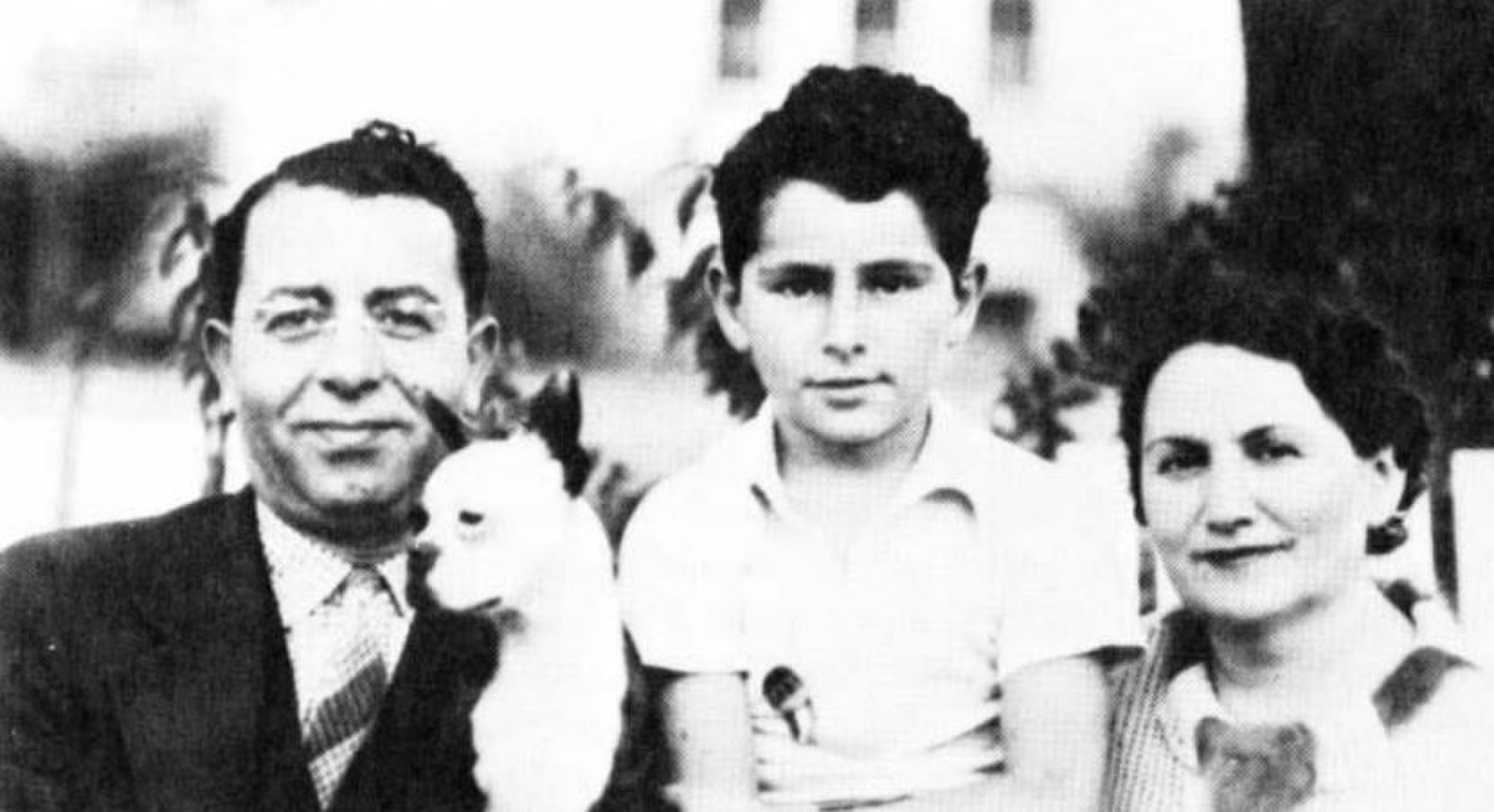
Image credit: Rod Serling as a boy with his parents, c. 1930, via Wikimedia Commons, public domain.
