
On September 27, 1830, the Choctaw Nation and the United States signed the Treaty of Dancing Rabbit Creek in Mississippi. It became a harrowing milestone in Native American history: the first major removal treaty carried into effect under the newly enacted Indian Removal Act.
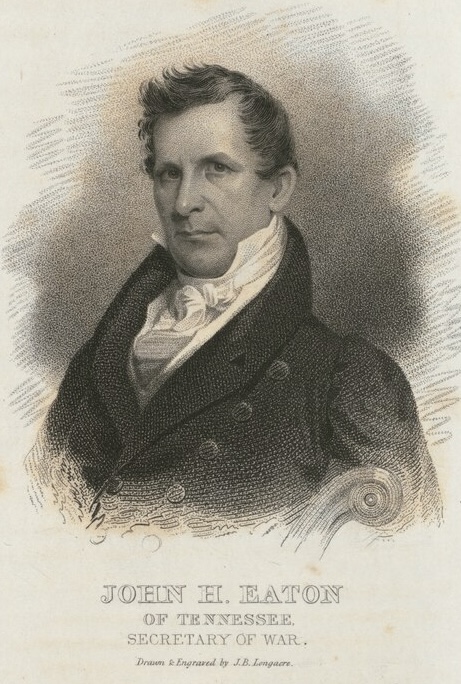
Under intense pressure from U.S. officials, including Secretary of War John H. Eaton (shown above), Choctaw leaders agreed to cede roughly 11 million acres of their ancestral homeland east of the Mississippi River. In return, the United States promised the Choctaw approximately 15 million acres in Indian Territory, in what is now Oklahoma. The treaty required the Choctaw to leave Mississippi in stages beginning in 1831.
Article 14 technically allowed Choctaw families who chose to remain in Mississippi to claim individual land allotments and become U.S. citizens. In practice, however, harassment, fraud, and administrative failures severely undermined those protections. Although Choctaw families registered claims to hundreds of square miles, those lands were ultimately lost from Choctaw ownership.
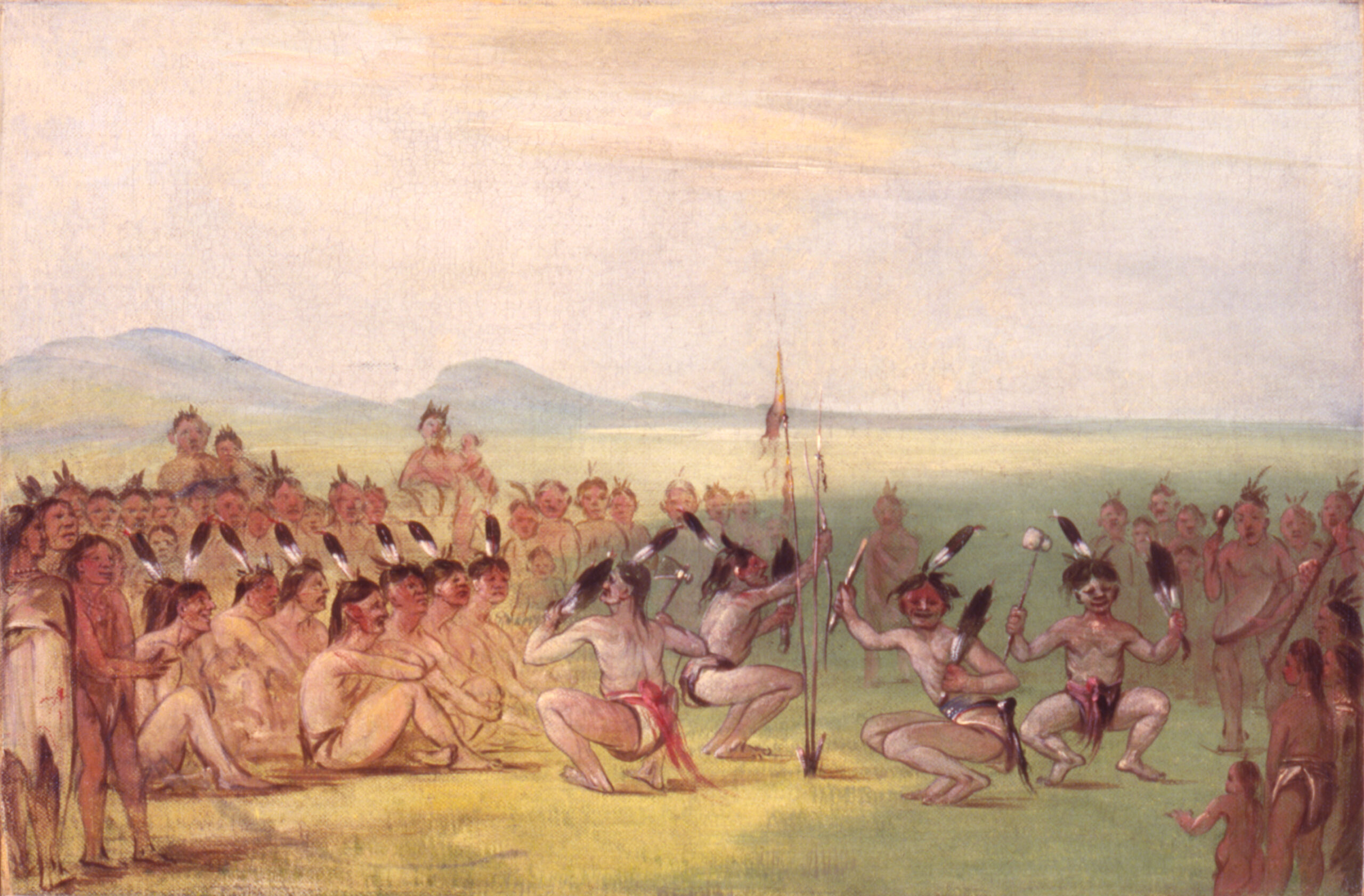
Eagle Dance, Choctaw depicts an annual ceremonial performance by young men painted with white clay and holding eagle tail feathers.
Based on observations made near Fort Gibson, the artwork captures the preservation of Choctaw spiritual tradition and cultural resilience shortly after their forced relocation to Indian Territory.
The removals that followed were deadly and traumatic, as Choctaw people traveled hundreds of miles under harsh conditions. The treaty became a model for subsequent removal agreements affecting the Chickasaw, Cherokee, Muscogee (Creek), and Seminole peoples—helping set the course for the wider history remembered as the Trail of Tears.
Image via Wikimedia Commons, public domain.
