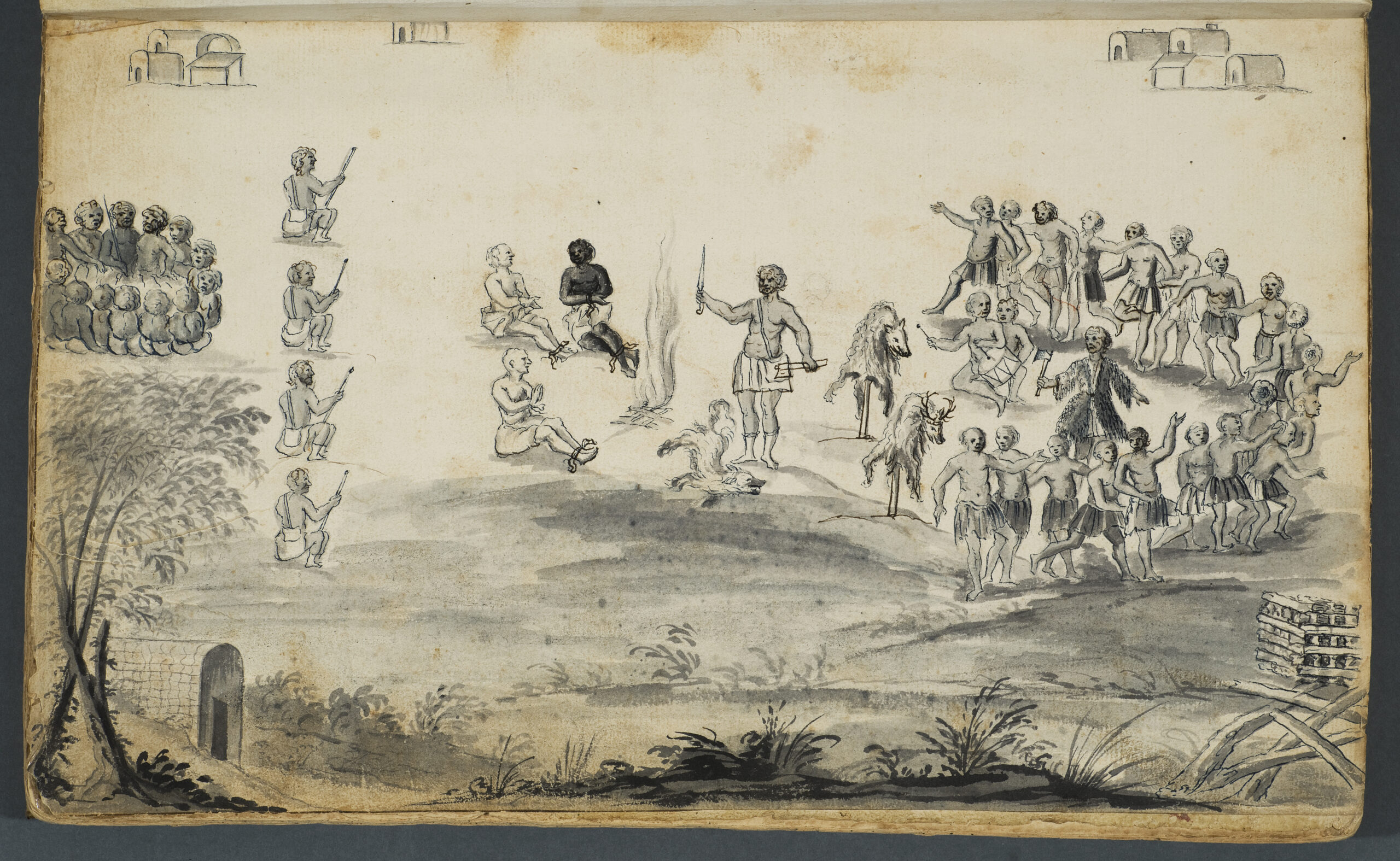
On September 22, 1711, Tuscarora warriors launched coordinated attacks on English settlements in eastern North Carolina, beginning the conflict known as the Tuscarora War. Years of rising tension had preceded the violence: English settlement had pressed onto Tuscarora lands, colonial traders had exploited Indigenous communities through debt and fraudulent practices, and colonists had kidnapped and enslaved Native people.
Earlier that month, Tuscarora leaders had captured Baron Christoph von Graffenried, the Swiss founder of New Bern, and his associate John Lawson while they traveled into the interior. Lawson was executed, while Graffenried was eventually released. Soon afterward, Tuscarora fighters struck scattered settlements, especially along the Neuse and Pamlico river systems, catching many colonists by surprise. More than a hundred settlers were killed in the opening attacks, exposing the fragility of North Carolina’s frontier communities.
The conflict continued for several years. North Carolina relied heavily on military forces from South Carolina and on Native allies, including Yamasee fighters, in campaigns against the Tuscarora. The 1713 capture of Fort Neoheroka dealt a devastating blow to Tuscarora resistance, though conflict and displacement continued afterward.
In the following decades, many Tuscarora migrated north to present-day New York. There they were admitted to the Haudenosaunee, or Iroquois Confederacy, as its sixth nation—a change that reshaped both Tuscarora history and the political landscape of eastern North America.