
On September 19, 1862, Union and Confederate forces clashed at the Battle of Iuka in northeastern Mississippi. During the fighting, the 11th Ohio Battery, Light Artillery, commanded by First Lieutenant Cyrus Sears, stood in the path of repeated Confederate attacks associated with Major General Sterling Price’s force.
The battery’s position became a scene of devastating close-range combat. Its gunners fired canister at advancing Confederate troops, but sustained intense musket fire in return. The cost was extraordinary: of the 54 cannoneers serving the guns, 46 were killed or wounded—more than five out of every six. Across the battery as a whole, 18 men were killed and 39 wounded out of 102 officers and men engaged.
Despite being severely wounded, Sears remained with his command and continued directing the defense. His official Medal of Honor citation later summarized his conduct: “Although severely wounded, fought his battery until the cannoneers and horses were nearly all killed or wounded.” He received the Medal of Honor on December 31, 1892, for his actions at Iuka.
The 11th Ohio Battery was ultimately overrun, and its guns were temporarily captured, but the scale of its losses made its stand at Iuka one of the most costly single engagements endured by a Union light-artillery battery during the Civil War. Sears’s conduct remains a powerful example of leadership under fire and of the human cost borne by artillery crews in the Western Theater.
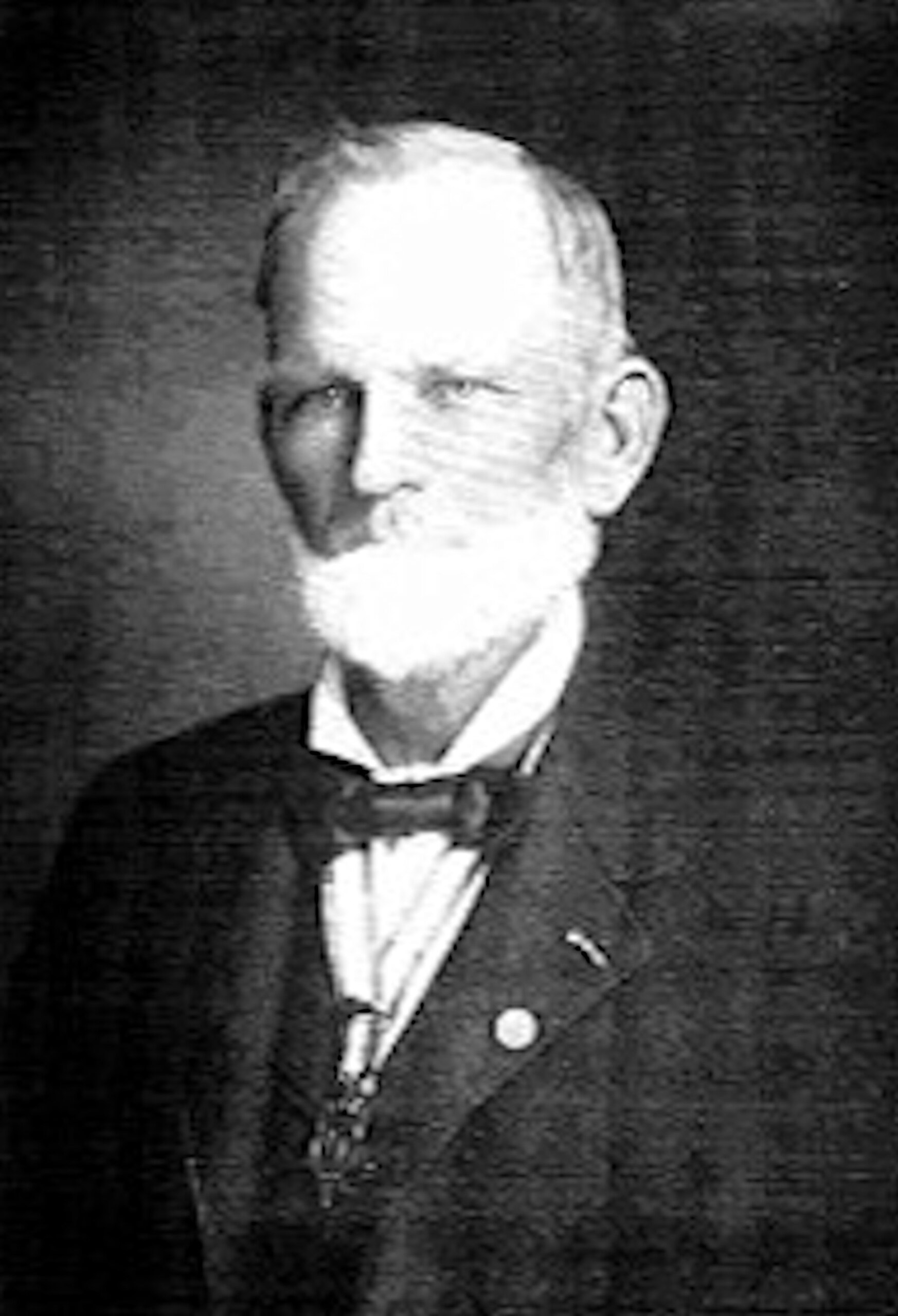
Photo of Cyrus Sears who despite being severely wounded continued to fight with his 11th Ohio Infantry at the Battle of Iuka in Mississippi on September 19, 1862. The 11th Ohio lost 85% of their gunners who were on the battlefield that day as well as three of their four officers. Cyrus received the Medal of Honor for his heroism at the Battle of Iuka. Image via Wikimedia Commons, no known restrictions
