
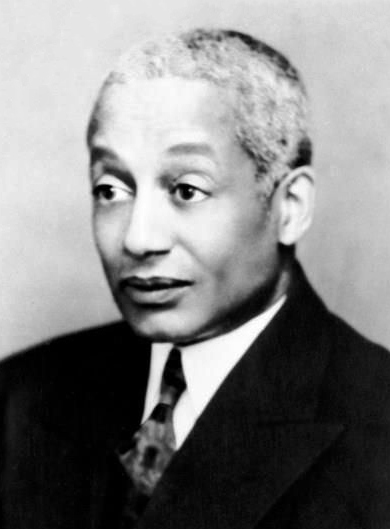
On September 13, 1885, philosopher, educator, critic, and cultural theorist Alain LeRoy Locke was born in Philadelphia, Pennsylvania. After graduating from Harvard University, he became the first African American Rhodes Scholar in 1907 and continued his studies at the University of Oxford and the University of Berlin.
Locke emerged as one of the central intellectual figures of the Harlem Renaissance, widely known as its “Dean” and often called its father. A longtime professor of philosophy at Howard University, he edited the landmark 1925 anthology The New Negro: An Interpretation of Negro Life. Bringing together poetry, fiction, drama, essays, music, and visual art, the volume gave powerful expression to the New Negro movement and challenged racist portrayals of Black life by presenting Black artists as original, self-directed creators.
Through his teaching, criticism, and advocacy, Locke argued that artistic expression, cultural self-definition, and serious engagement with Black history and lived experience were essential to racial dignity and social transformation. His work helped give the Harlem Renaissance its intellectual foundation and influenced later discussions of American art, culture, identity, and civil rights.
Image via Wikimedia Commons, public domain.
