
In September 1813, the Troy Post of upstate New York printed one of the earliest documented newspaper uses of “Uncle Sam” as a nickname for the United States government. Writing amid the War of 1812, the paper described “Uncle Sam” as a popular “cant name” for the government and explained that the term was thought to have grown from the initials “U.S.” appearing on government wagons and other military property.
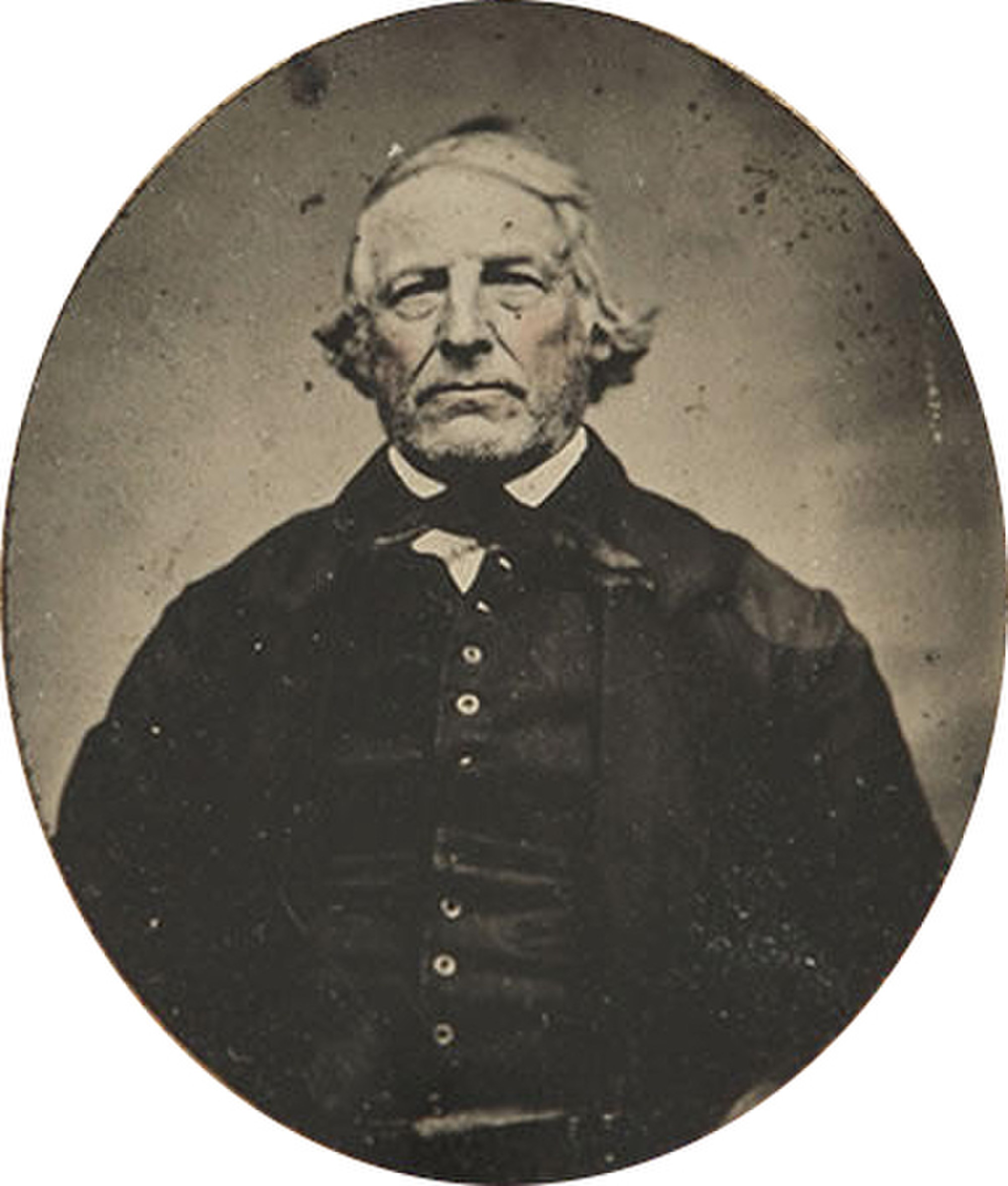
Troy later became central to the best-known origin story of the nickname. According to a long-standing local tradition, Samuel Wilson, a prosperous Troy meatpacker known as “Uncle Sam,” supplied beef and pork for U.S. troops during the war. Barrels associated with the contract bore the initials “U.S.” for the United States, and soldiers supposedly joked that the letters stood for “Uncle Sam” Wilson. The anecdote transformed a bureaucratic mark on military supplies into a familiar human figure—and eventually into a national emblem.
That connection, however, is better described as tradition than certainty. The 1813 Troy Post explanation ties the phrase directly to the initials “U.S.” and does not mention Wilson; scholars have also noted that the Wilson account appeared in print only decades later. What is clear is that the term emerged during the War of 1812 as a playful personification of the federal government, with Troy playing an important role in its early public history.
Over the following century, writers and political cartoonists turned the verbal nickname into a recognizable national character. By World War I, James Montgomery Flagg’s recruiting poster—showing a stern, white-haired Uncle Sam pointing outward beneath the words “I Want You”—had fixed the figure in American visual culture. The early newspaper reference remains revealing because it shows how a durable national symbol could arise from ordinary wartime language, government markings, and the daily work of provisioning an army.
Image via Wikimedia Commons, public domain.
