
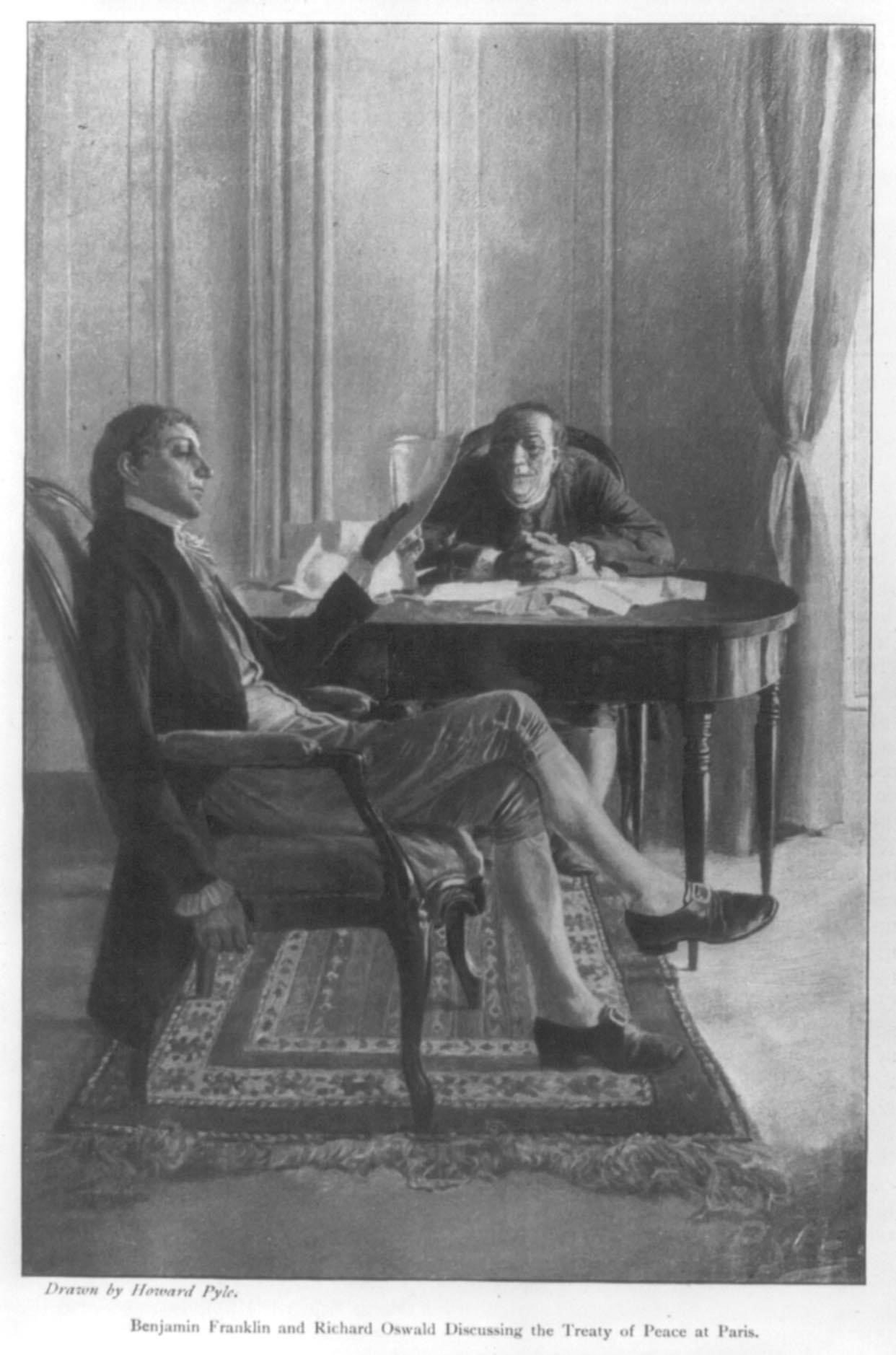
On September 3, 1783, the American Revolutionary War officially concluded with the formal signing of the Treaty of Paris. American commissioners Benjamin Franklin, John Adams, and John Jay met with British representative David Hartley to execute the document, which forced Great Britain to formally recognize the absolute sovereignty and independence of the United States.
The successful negotiation was a profound diplomatic triumph that secured vast western territorial boundaries for the new nation, stretching all the way to the Mississippi River. The American delegation skillfully navigated complex European geopolitics, securing vital fishing rights and commercial concessions while resisting British counter-demands. The signing officially transformed thirteen rebellious colonies into a legitimate, recognized global republic.
The treaty also set off an immediate, challenging migration crisis across the Atlantic coast. A specific clause in the document required Congress to merely “recommend” that states restore confiscated property to British Loyalists, a weak promise that state legislatures routinely ignored. Realizing they would face intense hostility and financial ruin in the newly independent United States, over 60,000 traumatized Loyalists fled the country in the months following the signing, packing into ships to resettle in Canada, Florida, and Great Britain.
Image: Benjamin Franklin representing the United States and Richard Oswald representing Great Britain discussing the early preliminary Treaty of Peace at Paris, 1782, via Library of Congress, no known restrictions
