
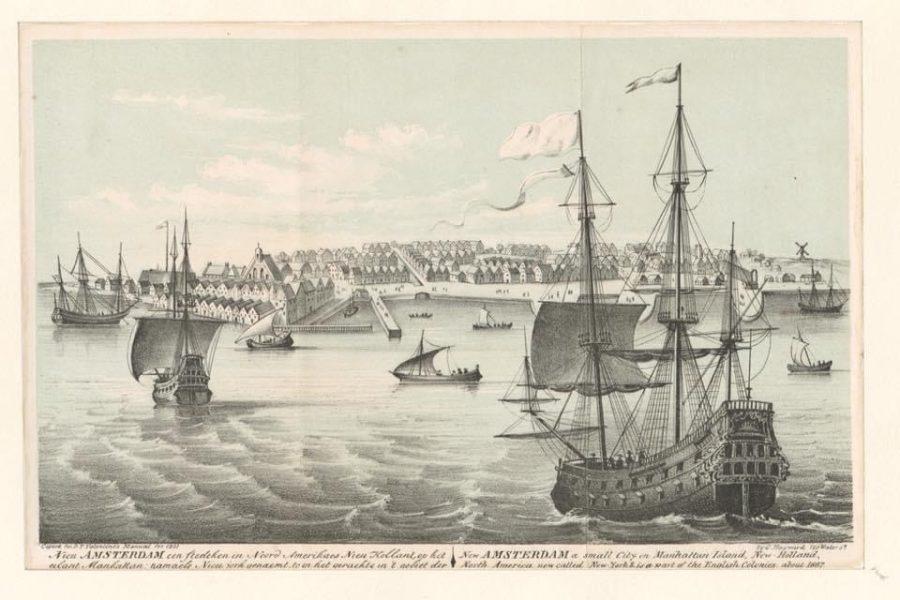
On August 30, 1645, administrators of the Dutch West India Company and sachems representing multiple Native American nations officially gathered at Fort Amsterdam to sign a foundational peace treaty. The high‑stakes diplomatic summit brought a formal end to Governor Kieft’s War, a multi‑year conflict that had ravaged the frontier settlements of New Netherland and decimated the Indigenous populations of the lower Hudson Valley.
The treaty finalized on August 30th was a masterclass in colonial pragmatism and necessary cross‑cultural statecraft. Recognizing that the small, fortified city of New Amsterdam on Manhattan Island was economically paralyzed and physically vulnerable after years of retaliatory raids, Dutch Director‑General Willem Kieft was forced to abandon his aggressive expansionist policies. The resulting agreement established a legal framework for peaceful trade, mandated arbitration of future livestock and land boundary disputes, and formally bound the signatory parties to resolve grievances through joint counsel rather than militia violence.
While the peace would eventually be strained by subsequent waves of European migration, the 1645 treaty provided a critical period of stability that allowed the infant seaport of New Amsterdam to rebuild its commercial infrastructure. By securing the settlement’s geographic perimeter, the charter laid down the organizational stepping stones that transformed the frontier outpost into a thriving transatlantic trading hub. The historic covenant remains a definitive record of early American settlement history, documenting the legal mechanisms deployed by rival cultures to forge a fragile coexistence on Manhattan.
