
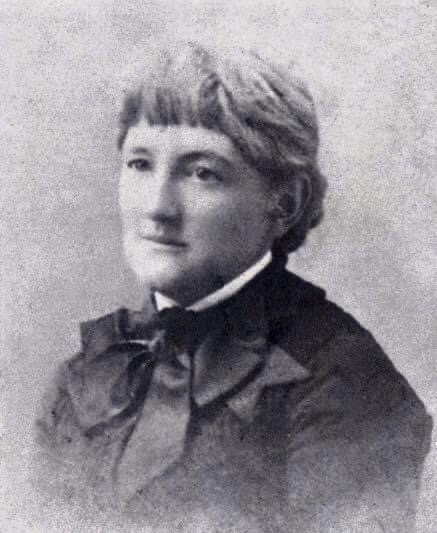
On August 26, 1873, the St. Louis Board of Education voted to commission the first publicly funded kindergarten in the United States, officially integrating early childhood development into the machinery of the municipal school system. The pioneering program was launched under the disciplined leadership of educator Susan Elizabeth Blow, opening its classroom doors to students later that September.
The administrative mandate passed on August 26th marked a radical departure from traditional nineteenth‑century instructional techniques. Drawing on the avant‑garde theories of German educator Friedrich Fröbel, Blow rejected the rigid, rote‑memorization methods of the era in favor of structured play, building blocks, and group singing designed to foster natural intellectual growth. Her classroom layout prioritized a bright, stimulating visual environment that respected the cognitive capabilities of young children, treating early education as an essential foundation for civic responsibility rather than mere childcare.
The immediate success of the St. Louis experiment triggered a rapid wave of educational reform across the Midwest, prompting school boards nationwide to establish similar public programs. Blow’s work elevated teaching into a highly specialized profession for women, providing thousands of female educators with clear career paths within municipal school districts. The 1873 vote remains a landmark moment in social‑infrastructure planning, proving that public investment in early development could strengthen the democratic fabric of an industrializing country.
Photo of Susan Blow “Mother of Kindergarten” via Wikimedia Commons, public domain.
