
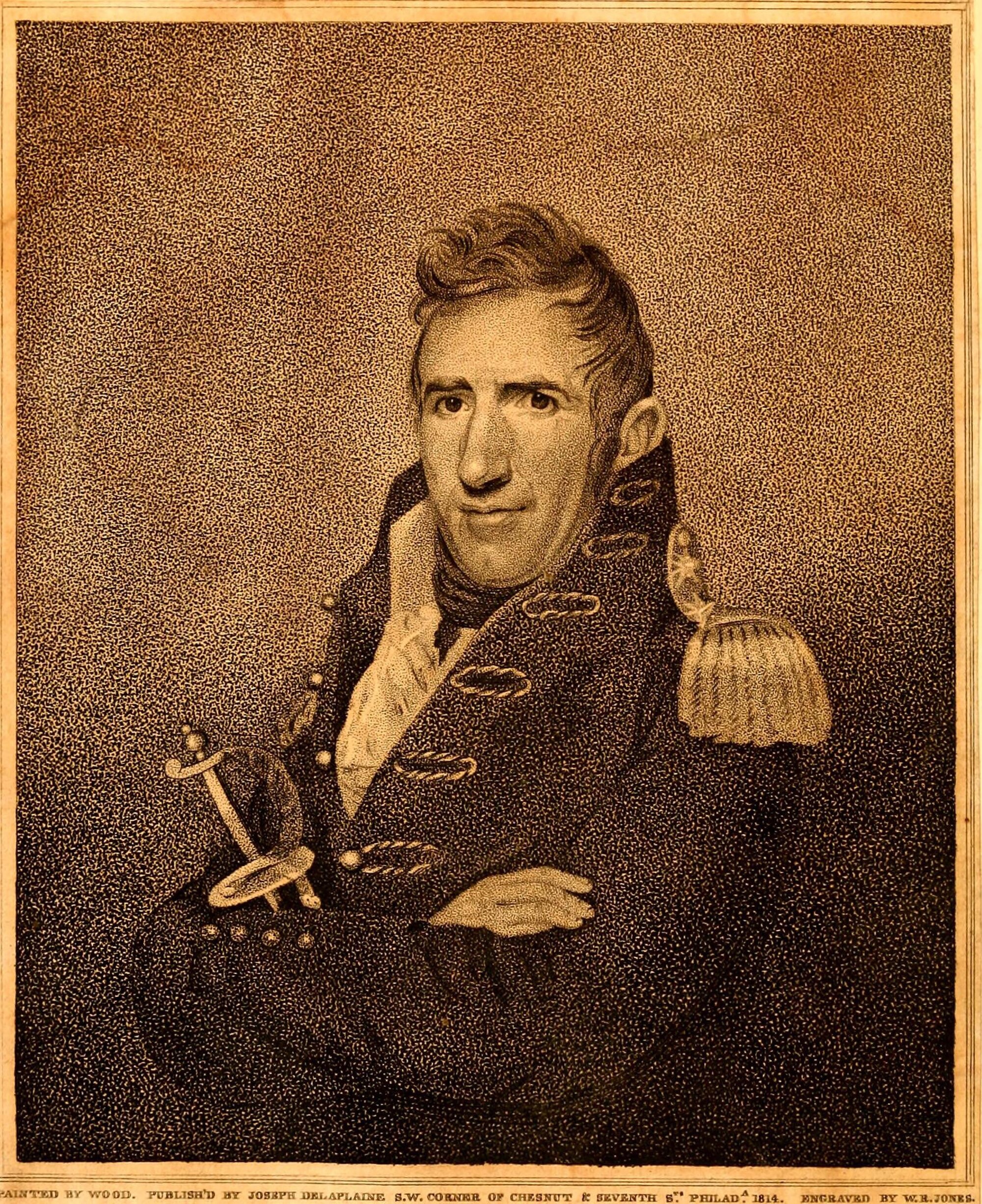
On August 18, 1804, Governor of the Indiana Territory, William Henry Harrison, representing the United States, signed a treaty with the Delaware Nation to relinquish to the United States forever all their right and title to the tract of country which lies between the Ohio and Wabash rivers. According to the Treaty, the Delaware were to receive a payment of $300 per year for 10 years and additional monies over five years with instruction on how to build fences, cultivate the land, and on “domestic arts.” Sadly, the Delaware Nation was first to sign a treaty with the United States in 1778. They had ceded their lands in the East and had moved to Ohio and Indiana.
The signing of the Treaty of Vincennes on August 18th highlighted a calculated, high-stakes system of land acquisition orchestrated by William Henry Harrison to expand federal territory across the Old Northwest. By leveraging the deep economic debts of the local tribes and offering small, short-term cash annuities paired with agricultural instruction, Harrison systematically forced the Delaware leadership to surrender millions of acres of fertile hunting grounds. The specific requirements to teach the tribe “domestic arts” and fence construction were part of an aggressive federal assimilation policy designed to eradicate traditional Indigenous lifeways.
The true heartbreak of this August morning rests on the tragic, cyclical displacement of the Delaware (Lenape) people, who had already been aggressively driven from their ancestral Atlantic homelands decades prior. Despite having been the very first Native nation to formally ally with the American government during the Revolution through the 1778 Treaty of Fort Pitt, their loyalty was rewarded with continuous, bureaucratic betrayal. The Treaty of Vincennes served as another displacement on a forced march westward, setting up the severe territorial frictions that would eventually erupt into Tecumseh’s War and the War of 1812.
Image: Portrait of Governor William Henry Harrison representing the United States via Wikimedia Commons, public domain
