
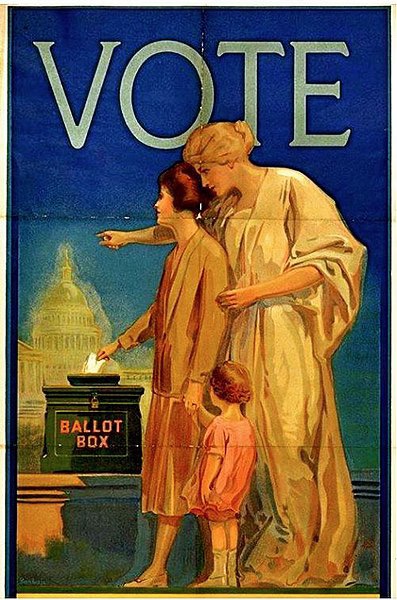
The ratification of the Nineteenth Amendment on August 18, 1920, transformed the American democratic process by instantly welcoming 26 million women into the voting booth. The historic milestone was secured by the narrowest of margins inside the Tennessee State Capitol. Needing exactly thirty-six states to ratify the measure into constitutional law, suffragists and their opponents had swarmed Nashville for weeks, locking legislators in a bitter ideological stalemate.
The deadlock was unexpectedly broken by a twenty-four-year-old representative named Harry Burn, who carried a private letter from his mother in his pocket urging him to “be a good boy” and vote for suffrage. His sudden, dramatic change of heart single-handedly carried the vote by a margin of 49 to 47. While the ratification marked a monumental triumph, the promise of the nineteenth amendment remained highly unequal on the ground.
Across the American South, Black, Indigenous, and Latina women were systematically turned away from registration desks through discriminatory poll taxes, literacy tests, and overt bureaucratic intimidation. These severe state-level barriers forced a second, multi-decade crusade for voting rights that culminated in the landmark Voting Rights Act of 1965. The August 18th victory remains a foundational catalyst for the continuous expansion of true constitutional equality.
Image: A public broadside celebrating the final ratification of the Nineteenth Amendment by the League of Women Voters, 1920 via Wikimedia Commons, public domain in the US.
