
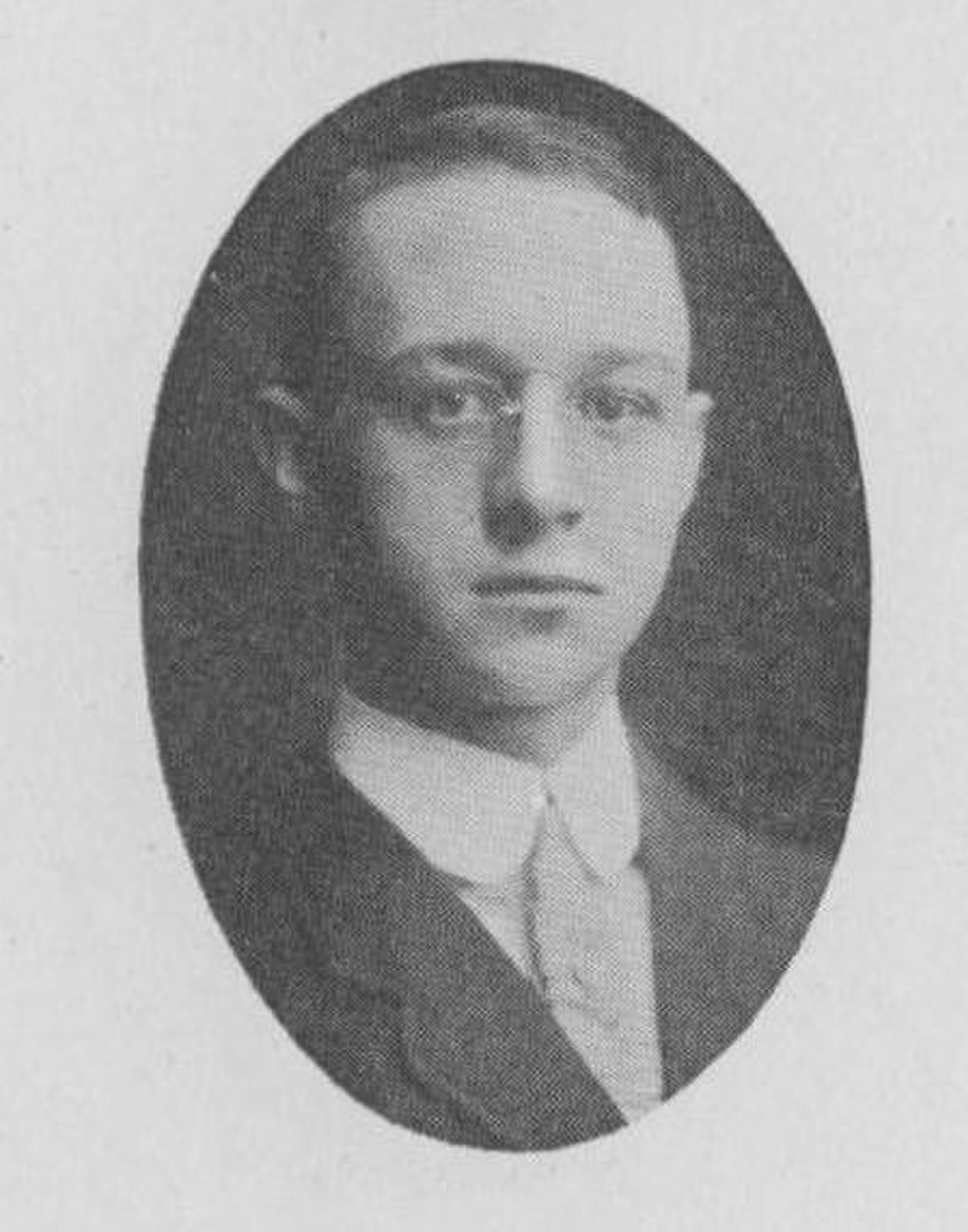
On August 12, 1930, the culinary habits of the global public were permanently altered when American field naturalist and entrepreneur Clarence Birdseye received a foundational patent for his “Method of Preparing Food Product.” This document officially codified Birdseye’s revolutionary flash-freezing process, a technique that utilized immense mechanical pressure to rapidly freeze fresh foods into solid, easily transportable blocks. This invention effectively solved a centuries-old gastronomic dilemma, allowing perishables to be preserved for months without destroying their natural cellular structure, flavor, or nutritional value.
Birdseye’s breakthrough was directly inspired by years spent working as a fur trader in the frozen wilderness of Labrador, Canada, where he closely observed the traditional survival techniques of the indigenous Inuit people. He noticed that fish caught in fifty-degrees-below-zero weather froze almost instantly when exposed to the arctic air, and remarkably, tasted completely fresh when thawed months later. Returning to his laboratory, Birdseye realized that slow, traditional freezing methods allowed massive, jagged ice crystals to form inside food cells, tearing the delicate membranes and turning meat and vegetables into unappetizing mush upon thawing.
By engineering a high-pressure system that utilized chilled hollow plates to freeze food at an accelerated rate, Birdseye ensured that only microscopic ice crystals could form, completely locking in the food’s natural freshness at a molecular level. The 1930 patent laid the immediate foundation for the modern multi-billion-dollar frozen food industry, completely liberating human diet from the strict constraints of agricultural seasons and regional geography. The familiar frozen blocks lining modern grocery store aisles trace their lineage directly back to Birdseye’s observations of arctic ice and his relentless pursuit of preservation science.
