
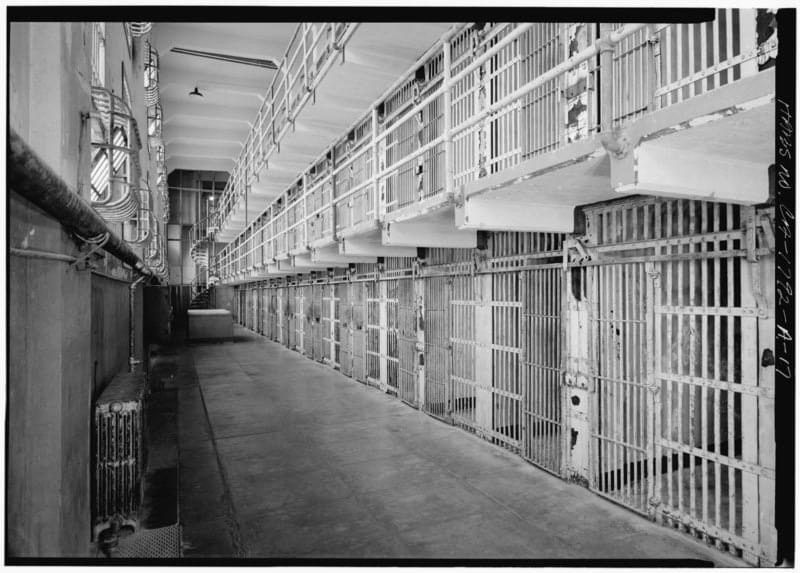
On August 11, 1934, a grim new chapter in federal corrections began as the first group of 137 prisoners stepped off heavily guarded transport vessels onto Alcatraz Island in San Francisco Bay. Handpicked from federal facilities across the nation—including a heavily fortified railroad transfer from Leavenworth, Kansas—these inmates represented the most dangerous, disruptive, and escape-prone criminals of the era. Among the notorious figures stepping into the damp island air during this initial wave was the infamous prohibition-era gangster Al Capone, signaling the government’s absolute zero-tolerance policy toward organized crime.
The federal government engineered Alcatraz to be the ultimate, inescapable psychological deterrent to the criminal underworld, utilizing the freezing, treacherous currents of the bay as a natural barrier. Over its subsequent 29 years of operation, the maximum-security penitentiary maintained an exclusive atmosphere, housing a strictly limited population that averaged just 263 inmates annually. The strict regime, ironclad security protocols, and total isolation from the mainland successfully earned the island its legendary reputation as “The Rock.”
Despite its terrifying effectiveness as a penal fortress, the prison was ultimately doomed not by spectacular jailbreaks, but by a crushing economic reality. Because the barren sandstone island possessed absolutely no natural freshwater source, the Bureau of Prisons was forced to barge roughly one million gallons of fresh water to the facility every single week. This grueling logistical nightmare drove the operational costs of Alcatraz to three times that of a standard mainland prison, forcing Attorney General Robert F. Kennedy to permanently close the gates in 1963.
