
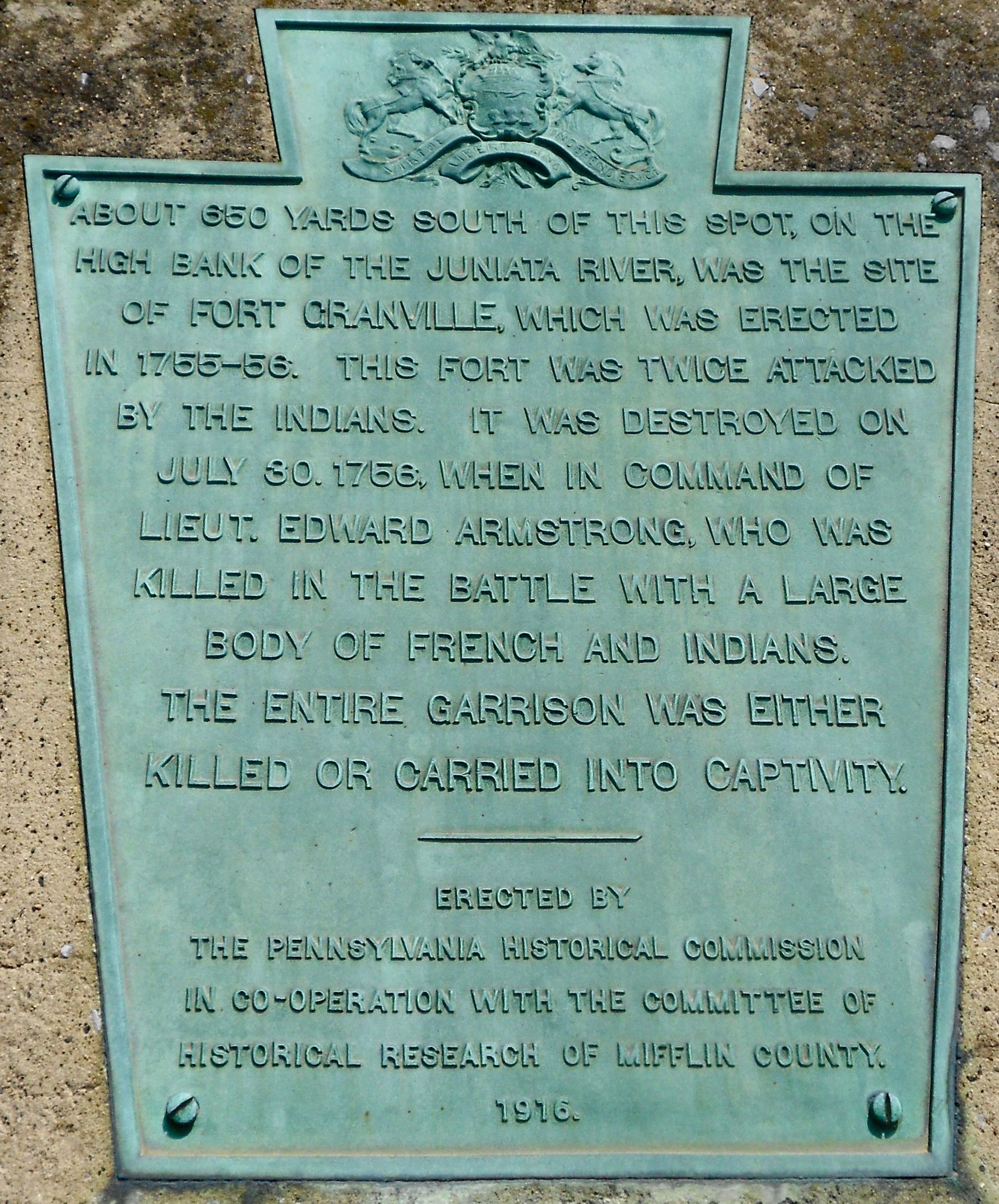
The siege of Fort Granville along the Juniata River on July 30, 1756, was not merely a tactical clash over frontier territory; it was a deeply intimate tragedy of the human heart, where the bonds of family and the raw instinct for survival collided. When Lenape warriors and French troops surrounded the post, the absent commander left a thinned defense under Lieutenant Edward Armstrong. Armstrong’s heart drove him to face the flames rather than yield, losing his life in a desperate bid to extinguish a fire consuming the wooden stockade.
When Sergeant John Turner finally surrendered the fort the next morning to spare the remaining lives, his reward was an agonizing death by torture. This left a permanent wound in the hearts of the surviving settlers who were forced to watch. The true heartbreak of this frontier conflict unfolded during the forced march westward toward the Lenape stronghold of Kittanning. More than two dozen captives—disproportionately women and children—were torn from their burning homesteads and driven through punishing, rocky terrain and suffocating forests.
For these captives, every step was a heavy exercise in psychological terror as they carried the very plunder stripped from their families’ homes. The emotional ripples of this day fundamentally reordered the landscape of colonial Pennsylvania. Upon hearing of his brother’s brutal death, Colonel John Armstrong allowed grief to turn into a fiery drive for vengeance. He spearheaded a devastating retaliatory raid on Kittanning later that autumn. This escalation locked both indigenous populations and white settlers into an unyielding, heartbroken cycle of generational violence, proving that on the frontier, the deepest scars were often those left on the collective human spirit.
