
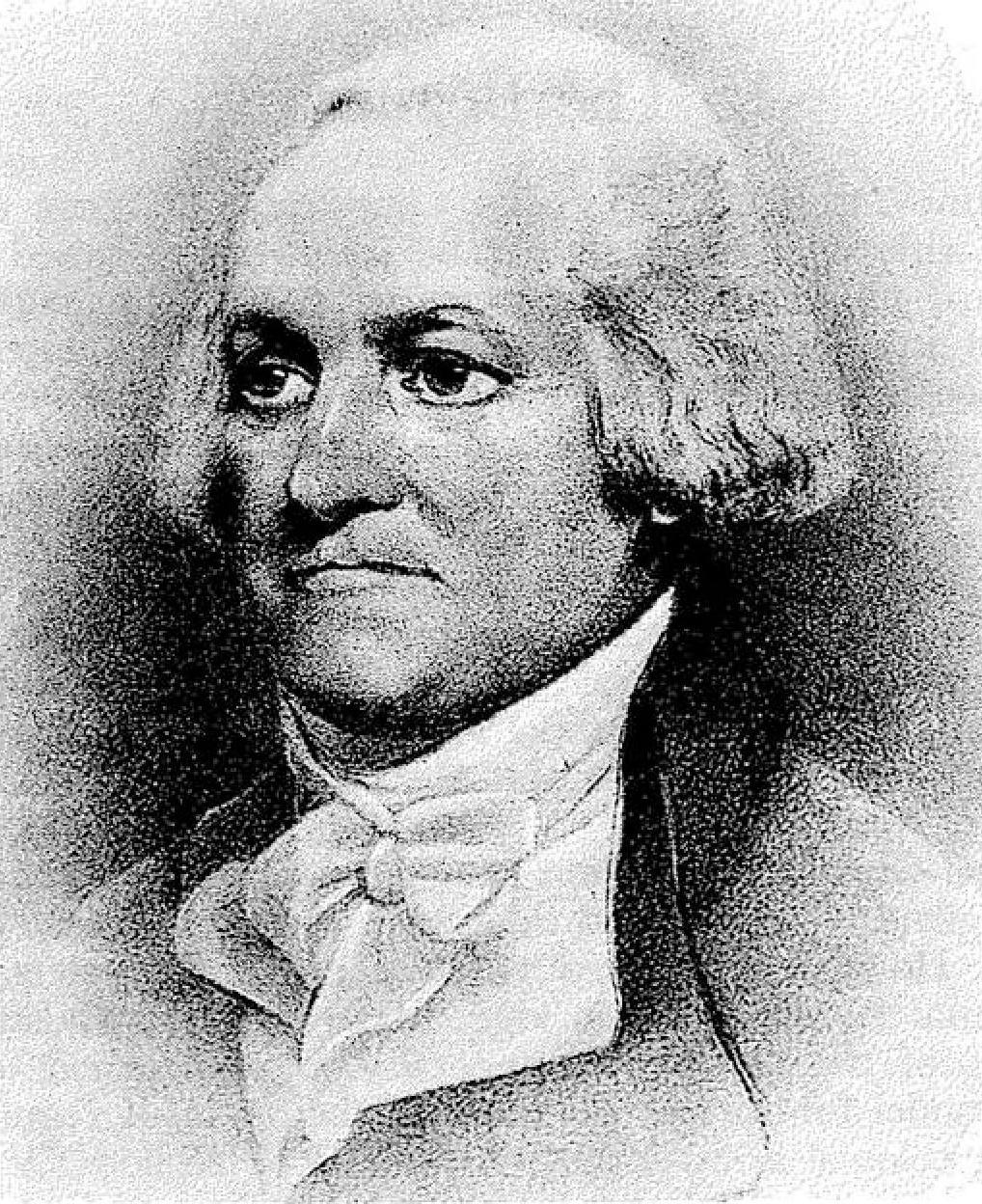
As the newly formed Continental Army gathered around Philadelphia, Pennsylvania, on July 29, 1775, George Washington faced the monumental task of turning local militias into a legitimate national force. To instill a unified sense of order, he appointed William Tudor (shown) as the first Judge Advocate of the Continental Army. Tudor, a Harvard-educated lawyer from Boston, was charged with establishing a rigorous framework of military law from the ground up to stabilize the emotional and legal foundation of the revolutionary forces.
This appointment represented the legal birth of American military justice. Prior to this, individual colonies operated under their own loose regulations, often leading to jurisdictional chaos and uneven punishments. Tudor was responsible for overseeing court-martials, interpreting military law, and ensuring that the burgeoning army maintained both its legal integrity and its moral standing in the eyes of a skeptical public.
At its core, Tudor’s work injected a vital pulse of accountability into the heartbeat of the revolution. By establishing a formalized code, Washington and Tudor proved that the fight for liberty would not descend into lawless vigilantism. It guaranteed that even in the absolute chaos of war, the American military would be governed by the rule of law, protecting both the rights of individual soldiers and the honor of the nascent nation.
