
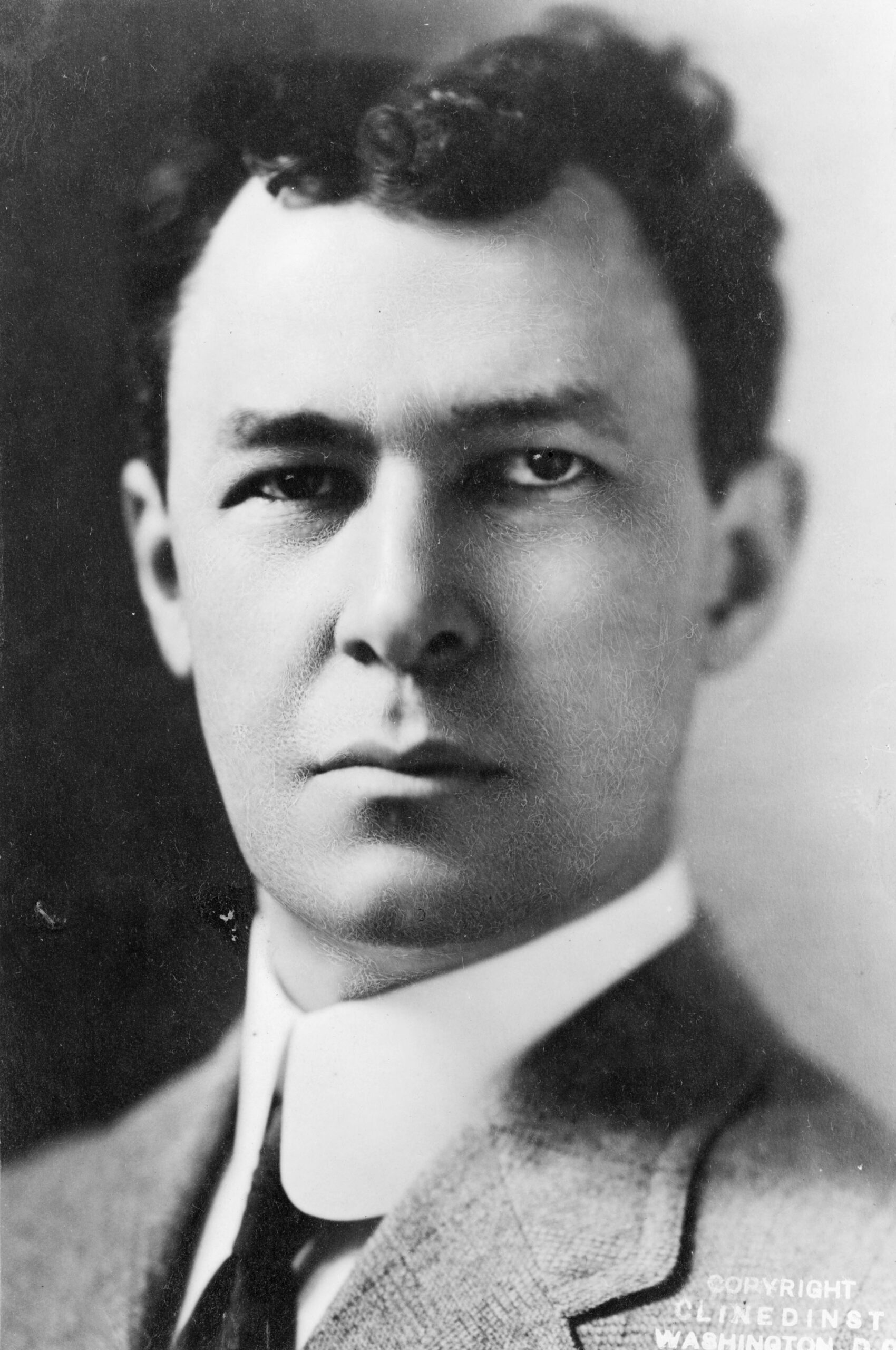
On July 26, 1908, Stanley Wellington Finch stepped into a demanding new role as the first Chief of the Bureau of Investigation, following a directive from Attorney General Charles Bonaparte ordering a newly hired cohort of federal investigators to report directly to him. A meticulous administrator who had climbed the ranks of the Department of Justice as a chief clerk, Finch was uniquely qualified to navigate the immense logistical chaos of building a nationwide detective force from absolute scratch. Tasked with combating sophisticated interstate crimes like land fraud and antitrust violations, he had to coordinate field operations across vast distances without any pre-existing federal guidelines, established forensic frameworks, or centralized case files to rely upon.
Finch’s early tenure became a high-stakes balancing act between operational efficiency and political survival. Operating under the progressive administration of President Theodore Roosevelt, he was acutely aware that a highly skeptical Congress openly feared his new office would metastasize into an autocratic federal “secret police.” To defuse this explosive political tension, Finch ruthlessly enforced a culture of strict administrative compliance, technical precision, and legal restraint among his agents, proving that a centralized federal agency could protect the public without encroaching on civil liberties. By the time his foundational leadership concluded, Finch had successfully transformed a fragile bureaucratic experiment into a highly disciplined, permanent investigative machine. This indispensable framework laid the direct structural and procedural groundwork for the modern Federal Bureau of Investigation, cementing his legacy as the man who quietly built the engine of American federal law enforcement.
