
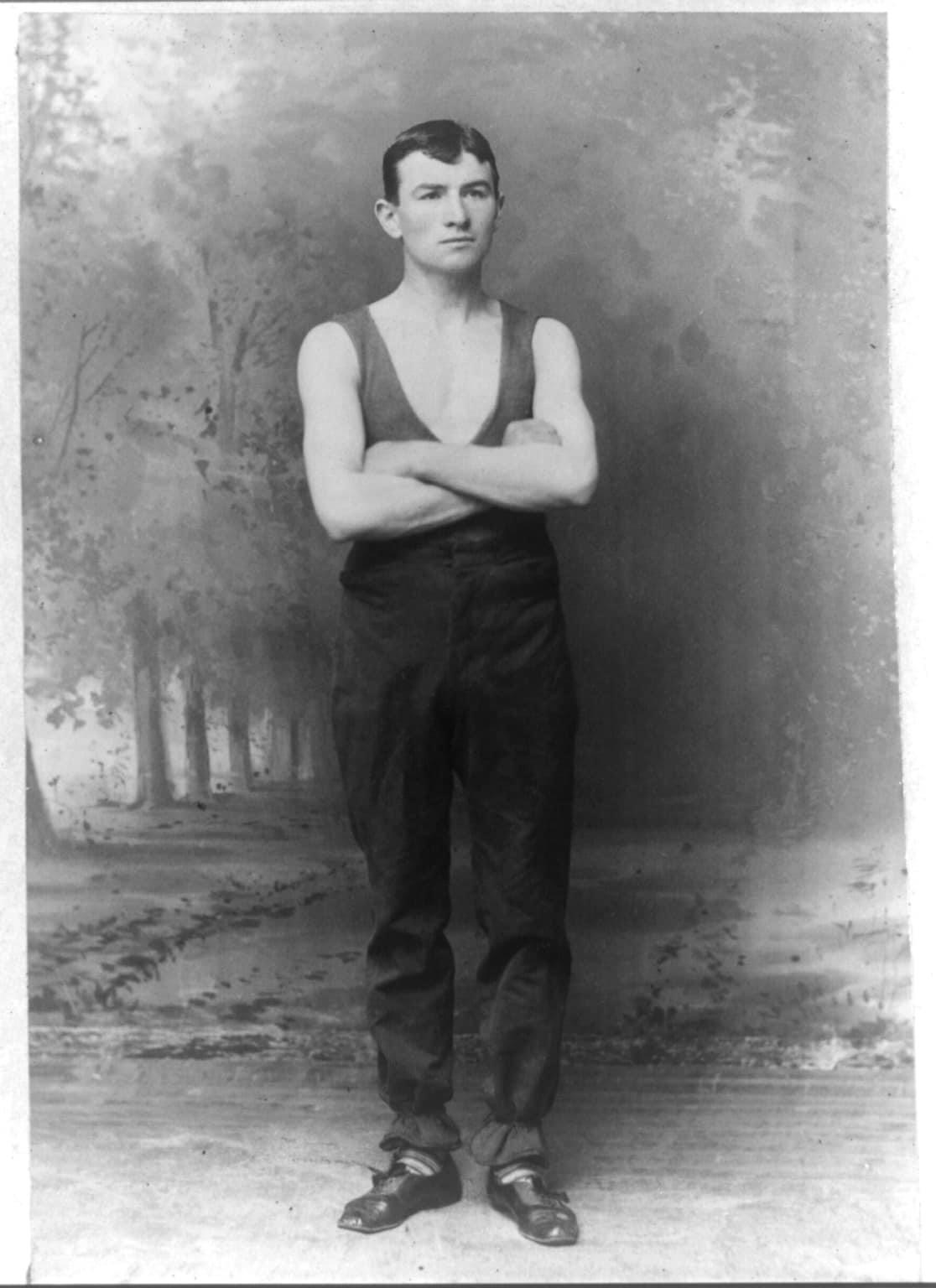
On July 23, 1886, an unemployed New York bookmaker named Steve Brodie claimed to have leaped off the newly opened Brooklyn Bridge and survived, plunging 135 feet into the churning, treacherous waters of the East River. Instantly transformed into a working-class folk hero, Brodie parlayed his sudden notoriety into a lucrative career as a vaudeville actor and a wealthy saloon owner. Yet, from the very afternoon of the alleged stunt, skeptical contemporaries and local police fiercely argued that the entire event was a meticulously orchestrated hoax, claiming Brodie had paid a co-conspirator to drop a life-sized dummy from the bridge while he slipped out from under a nearby pier to swim into the spotlight.
The fascinating cultural layer beneath Brodie’s legendary splash is that the truth of the jump mattered far less than the desperate poetry of the hustle. During the Gilded Age, the Brooklyn Bridge was viewed by the public as a cold, imposing monument to industrial engineering that had cost dozens of laborers their lives during its construction. By claiming to have conquered this mechanical leviathan with nothing but his own flesh and bone, Brodie offered the impoverished immigrants of Manhattan a thrilling symbol of human triumph over structural oppression—cementing the phrase “doing a Brodie” into the American lexicon as the ultimate, audacious leap of faith.
