
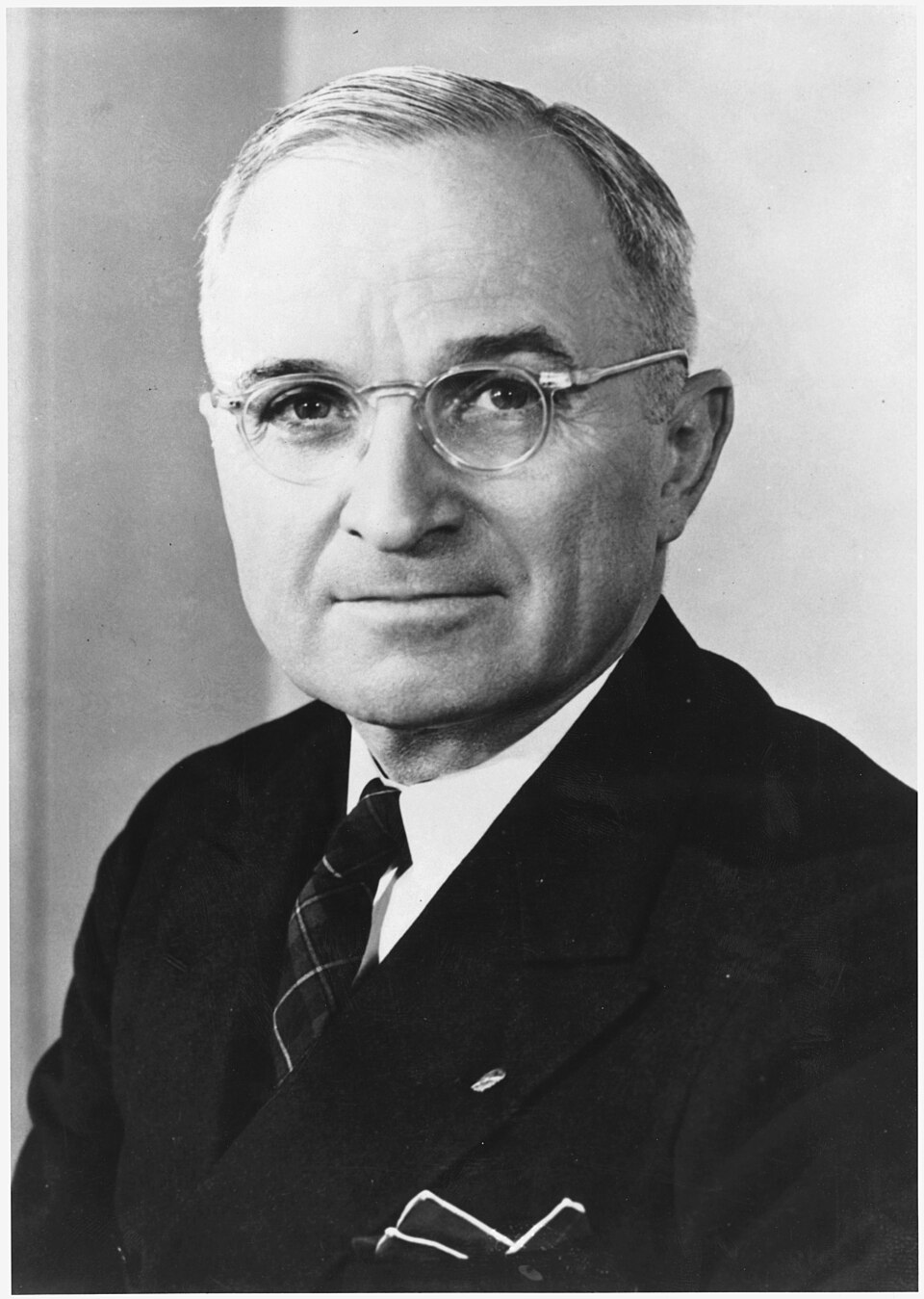
On July 18, 1947, President Harry S. Truman signed the Presidential Succession Act, reshaping the line of succession in a way that reflected his belief in democratic legitimacy during the early Cold War. The act placed the Speaker of the House and the Senate President pro tempore ahead of Cabinet officers, ensuring that elected officials—not appointed ones—would inherit the presidency in a crisis.
Truman’s push for reform stemmed from his own experience unexpectedly assuming the presidency after Franklin D. Roosevelt’s death in 1945. He believed that the nation’s highest office should pass to someone chosen by voters, not merely selected for executive competence. The new succession structure also reflected Truman’s concern about stability during a period marked by nuclear anxiety and geopolitical tension.
The 1947 act remains the foundation of modern presidential succession. Its passage on July 18 marked a moment when Truman sought to strengthen democratic continuity at home while confronting authoritarian threats abroad, ensuring that the presidency would remain anchored in the will of the American electorate.
