
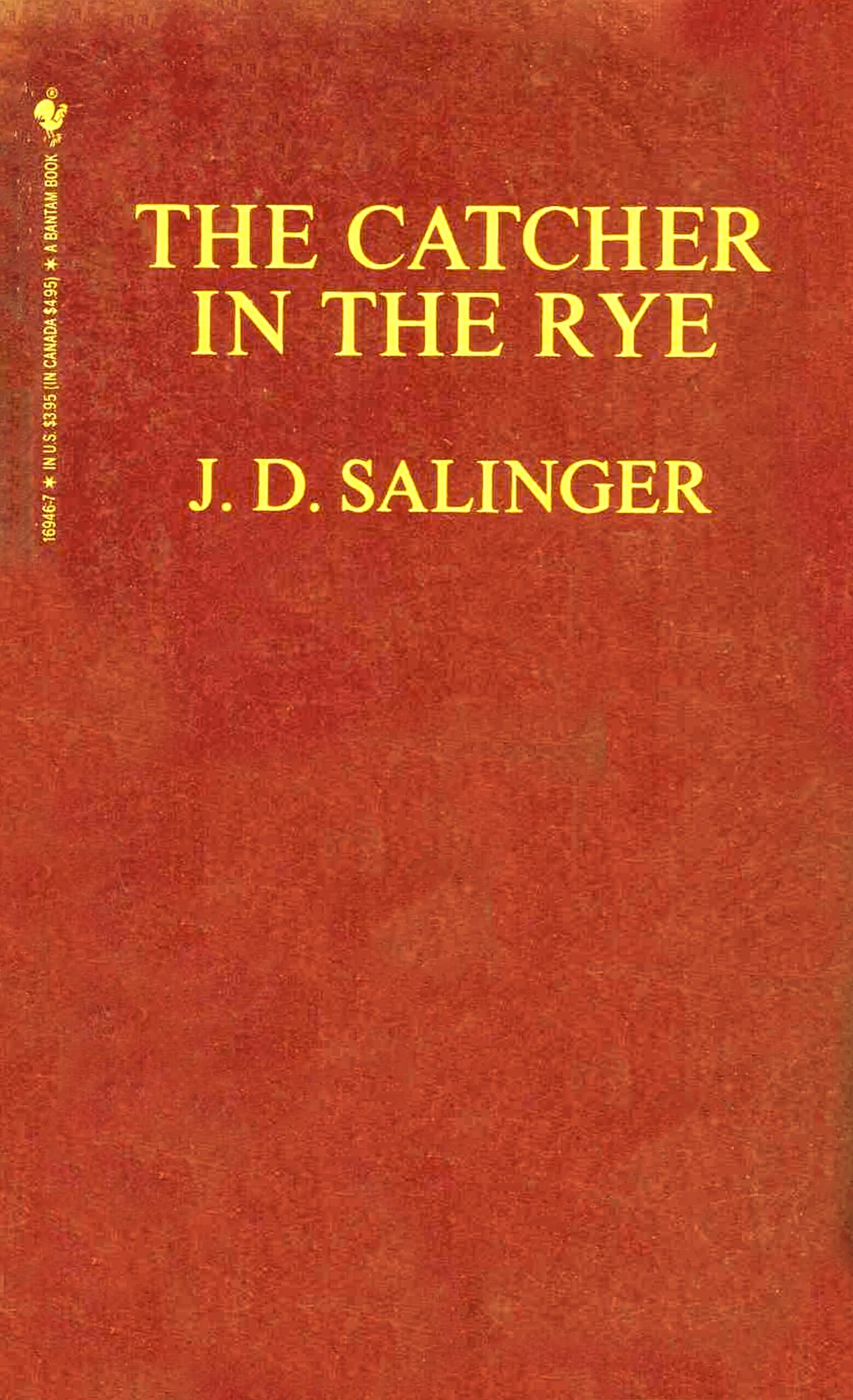
On July 16, 1951, the American literary landscape was permanently altered when Little, Brown and Company published J.D. Salinger’s masterpiece, The Catcher in the Rye. Centered around the unforgettable voice of sixteen‑year‑old Holden Caulfield, the novel follows a cynical, wandering prep‑school outcast who clings to a desperate fantasy of protecting children from falling into the corrupting abyss of adulthood.
The harrowing, often overlooked reality behind Holden’s breakdown is that Salinger carried the earliest chapters of the novel with him through the blood‑soaked battlefields of World War II. Serving as a U.S. Army counterintelligence agent, he landed on Utah Beach on D‑Day with six draft chapters in his pack and later witnessed the horrors of the Kaufering and Landsberg concentration camps. The psychological toll of combat — culminating in a postwar breakdown — left Salinger grappling with trauma, disillusionment, and a shattered sense of innocence. Those wounds poured directly into Holden’s voice, transforming a coming‑of‑age story into a raw, therapeutic cry against the brutality of a fractured world.
Image: Wikimedia Commons, public domain
