
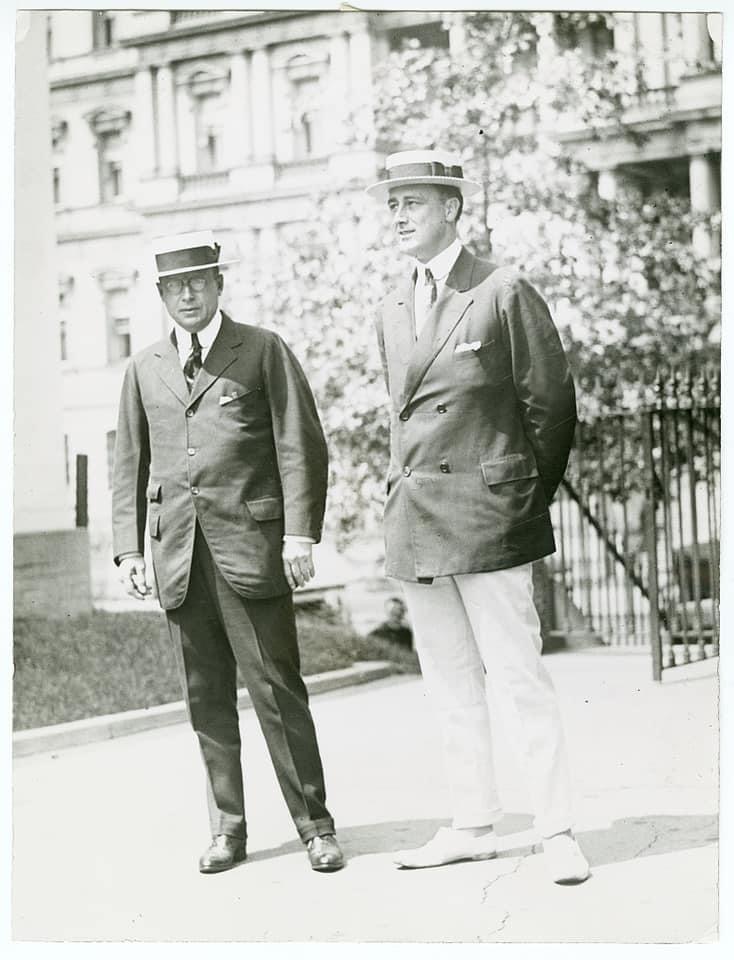
On July 6, 1920, the Democratic National Convention in San Francisco, California, officially selected thirty-eight-year-old Franklin Delano Roosevelt as its nominee for Vice President of the United States. Rushed onto the national ticket alongside presidential candidate Governor James M. Cox of Ohio, the young Roosevelt was selected primarily due to his prominent family name and his successful tenure as Assistant Secretary of the Navy during World War I. Although the Cox-Roosevelt ticket would ultimately suffer a landslide defeat against Warren G. Harding in the November election, the campaign served as Roosevelt’s crucial introduction to the broader American political landscape.
The fascinating strategic transformation that resulted from this failed 1920 campaign was Roosevelt’s deliberate cultivation of a powerful, nationwide network of progressive political contacts. Traveling thousands of miles by train to deliver hundreds of speeches across small-town America, the energetic young candidate learned how to connect with rural voters and working-class communities far removed from his wealthy New York upbringing, perfecting the charismatic speaking style that would later define his presidency.
Just one year after this tireless national campaign, Roosevelt was stricken with paralytic illness, making his 1920 vice-presidential run his final public appearance as a fully ambulatory politician. The deep national visibility and political goodwill he secured during that summer tour provided the essential foundation for his historic political comeback a decade later during the Great Depression. Today, the archival photographs of the young, energetic Roosevelt standing alongside Governor Cox serve as an extraordinary monument to the early, formative chapter of a leader who would go on to reshape the modern presidency.
Image via Library of Congress, no known restrictions
