
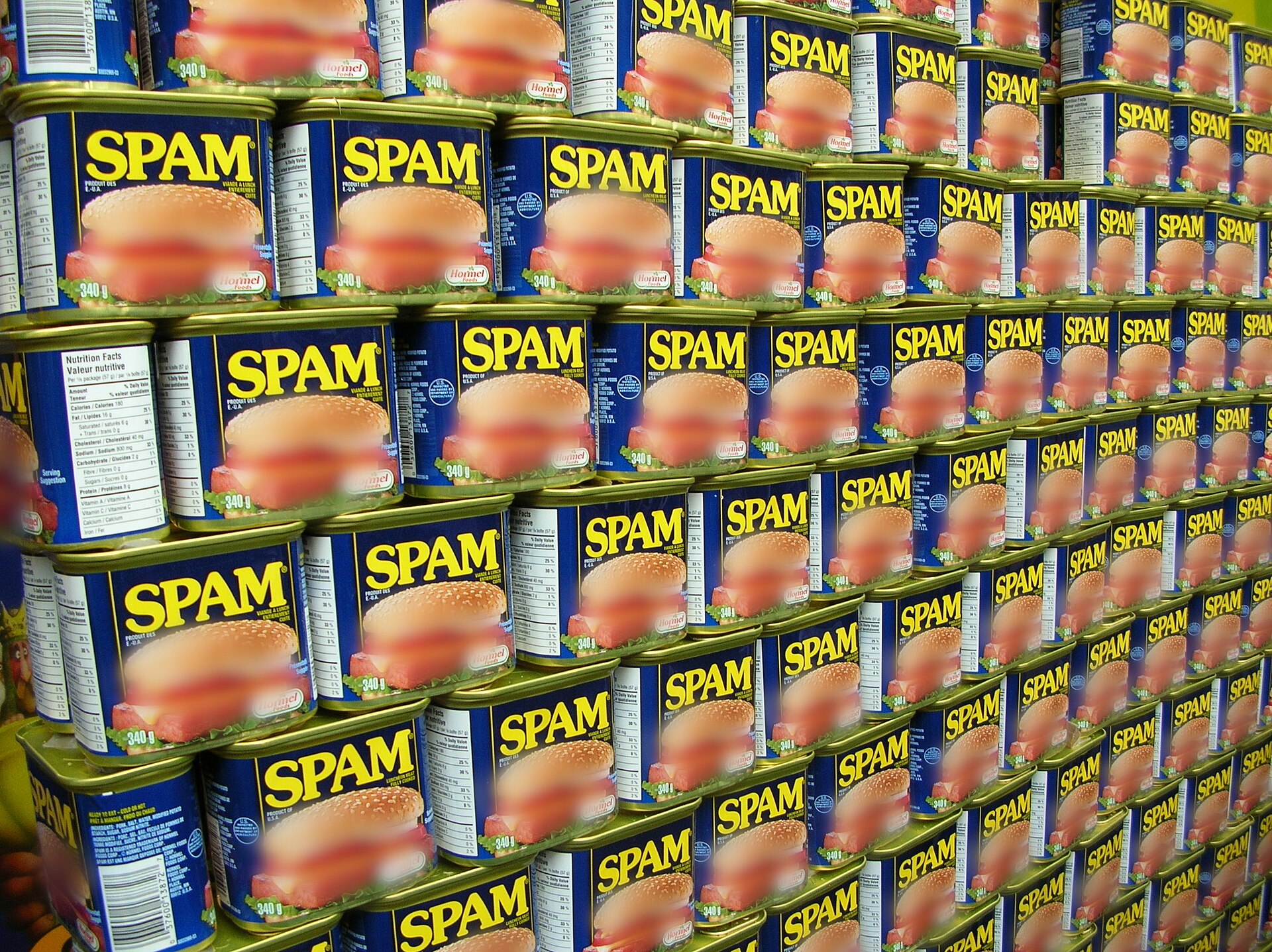
On July 5, 1937, the Hormel Foods Corporation officially introduced a revolutionary, shelf-stable canned meat product to the commercial market called Spam. Developed by Jay Hormel at the company’s packing plant in Austin, Minnesota, the pork-and-ham blend was designed to solve a pressing corporate crisis: finding a profitable use for thousands of tons of surplus pork shoulder generated during the meat-slaughtering process. To capture the attention of Great Depression-era consumers who were desperately looking for cheap, long-lasting protein, Hormel held a high-stakes New Year’s Eve contest offering a one-hundred-dollar cash prize for the most creative product name, resulting in a combination of the words “spiced” and “ham.”
The fascinating historical layer to Spam’s mass adoption is that it wasn’t civilian grocery stores that turned it into a global cultural phenomenon, but the logistics of the United States military during World War II. Because the product required no refrigeration and could easily withstand extreme jungle heat or freezing arctic temperatures without spoiling, the U.S. government purchased a staggering one hundred and fifty million pounds of Spam to feed frontline Allied troops. American soldiers routinely ate the canned meat for breakfast, lunch, and dinner, leading to a mix of deep culinary exhaustion and creative battlefield utility, with soldiers using the grease from the cans to lubricate their muddy rifles and the empty tin containers to scrap out trenches.
By the end of the global conflict, the relentless influx of American military rations had permanently altered the food culture of regions across the Pacific, transforming Spam into a highly prized, enduring staple of modern Hawaiian, Korean, and Filipino cuisine. The distinct blue-and-yellow cans evolved from a temporary wartime necessity into an iconic emblem of mid-century industrial American food science and global ingenuity. Today, with over nine billion cans sold worldwide, the product’s legacy stands as a fascinating monument to how a simple industrial solution to surplus pork shoulder could permanently reshape the global culinary landscape.
Image from freezelight via Wikimedia Commons, CC BY 2.0

Great food we try to have it on a regular basis.