
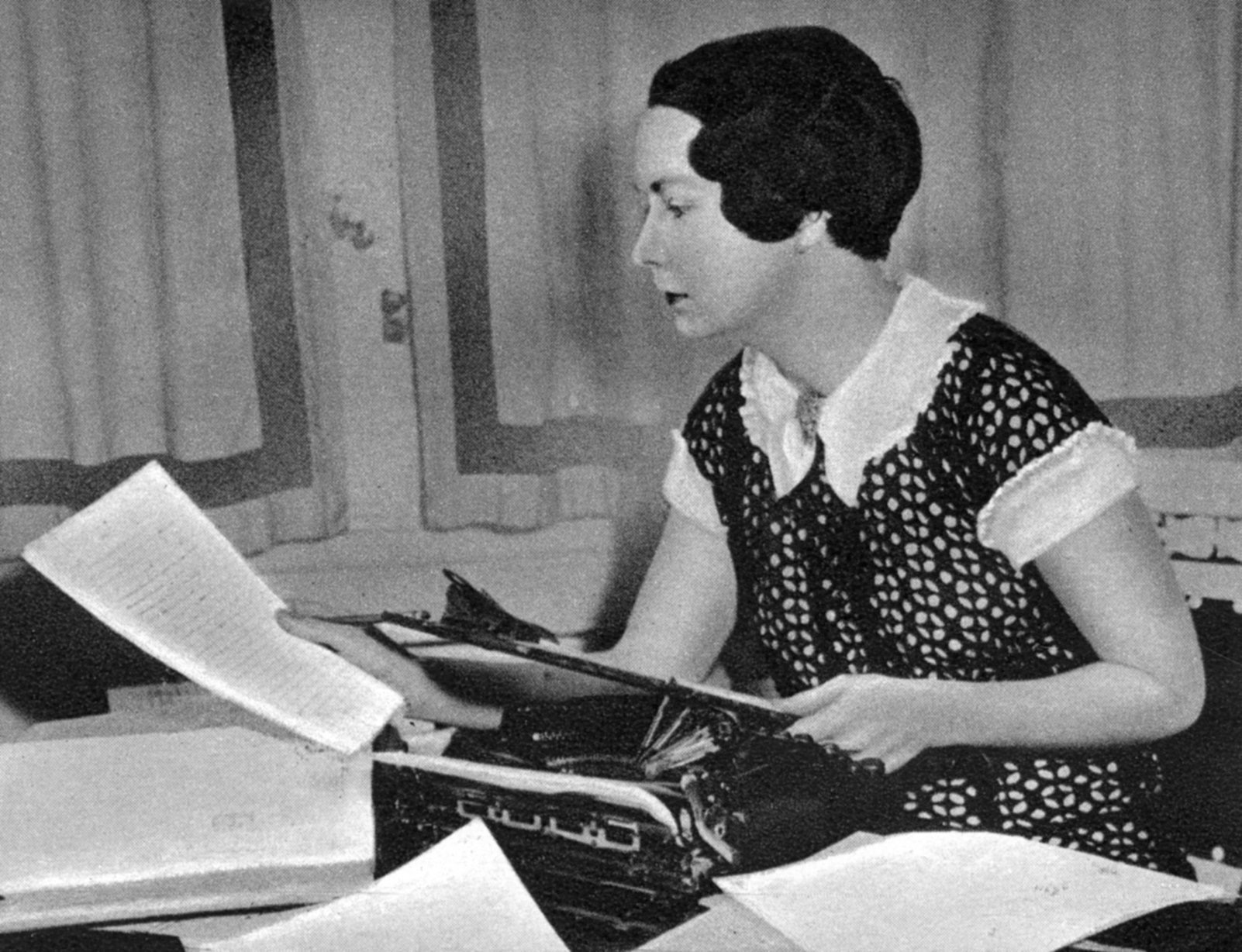
The landscape of American literature underwent a permanent, sweeping transformation when the MacMillan Company officially published Margaret Mitchell’s epic historical novel, “Gone with the Wind”, on June 30, 1936. Pictured for years hard at work at her typewriter in her modest Atlanta apartment, Mitchell had quietly poured her soul into crafting a monumental, 1,037-page narrative that chronicled the turbulent destruction of the American South during the Civil War and Reconstruction era through the eyes of the fiercely resilient Scarlett O’Hara. The book became an instant, unprecedented cultural phenomenon, selling over fifty thousand copies on its very first day and earning Mitchell the prestigious Pulitzer Prize.
Behind the staggering sales figures lay a profound, deeply complex human connection with a public that was reeling from the economic devastation of the Great Depression. Readers across the nation found a powerful source of emotional strength in Scarlett’s unyielding survival instinct, identifying with characters who lost everything to a catastrophic storm but stubbornly refused to surrender. While modern audiences rightly critique the novel’s deeply romanticized portrayal of the antebellum South and the horrors of slavery, its publication on this date remains an indelible milestone. It created an international bestseller that permanently reshaped global perceptions of American history and established a new benchmark for commercial storytelling.
Image: Margaret Mitchell at her typewriter via Alamy.
