
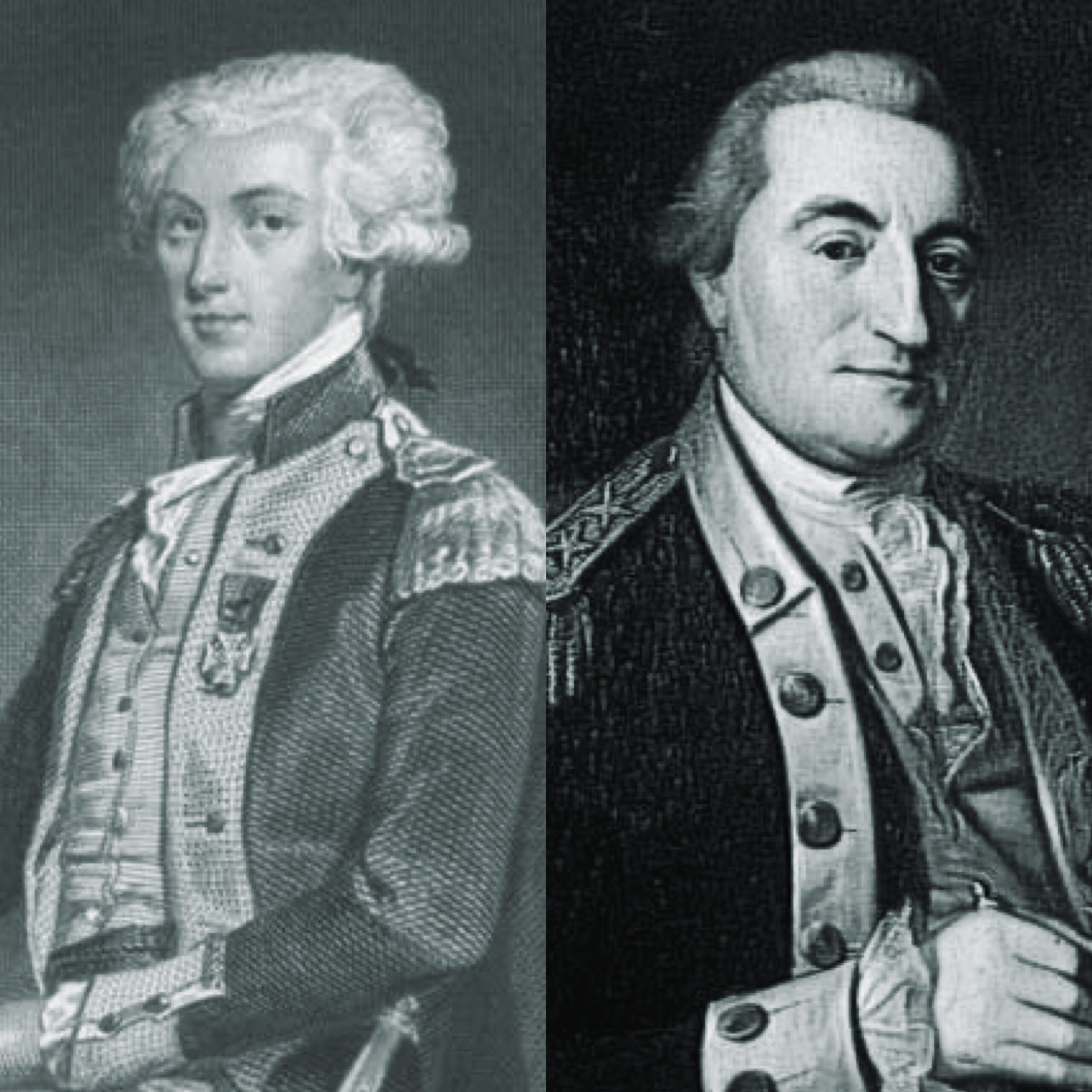
On June 27, 1777, the German‑born military veteran Johann de Kalb, the wealthy young Marquis de Lafayette, and a small contingent of French officers set out from coastal South Carolina on a grueling, nine‑hundred‑mile overland journey to Philadelphia. Having recently slipped out of Europe against the explicit orders of the French King, these foreign volunteers were eager to offer their swords to the American Revolution. The journey proved to be a brutal baptism by fire; traveling through the suffocating humidity and relentless pests of a southern summer, the party quickly fractured under the physical strain. By the time they reached their destination a month later, only Kalb and Lafayette remained in good health, only to be met with an incredibly cold reception from a Continental Congress that had grown weary of self‑proclaimed European mercenaries.
While popular history often overlooks Kalb to focus entirely on Lafayette’s meteoric rise, Friedrich Kapp’s definitive 1884 biography The Life of John Kalb illustrates that the success of their joint mission rested entirely on the hidden, dynamic relationship between the two men. Kalb was a seasoned, cynical professional soldier who had spent decades navigating the rigid hierarchies of European armies, whereas the nineteen‑year‑old Lafayette was a passionate, idealistic aristocrat with vast wealth but absolutely zero battlefield experience. During the agonizing trek through the wilderness of Virginia and Maryland, Kalb quietly acted as Lafayette’s protector and diplomatic anchor, keeping the headstrong young nobleman focused and managing the logistical breakdowns that caused their aristocratic companions to abandon the expedition in despair.
The most fascinating layer of this June 27 milestone lies in the dramatic transformation that occurred once they finally stood before the American leadership. When James Lovell, the head of the Committee on Foreign Affairs, initially dismissed the exhausted travelers on a Philadelphia sidewalk, an insulted Kalb was ready to pack his bags and return to France. However, Lafayette bypassed the bureaucracy entirely by leveraging his immense fortune and status, writing a direct letter to Congress offering to serve entirely at his own expense and without command. Kalb’s pragmatic mentorship had successfully guided Lafayette to the theater of war, but it was Lafayette’s unparalleled wealth and dramatic flair that ultimately opened the door—securing commissions for both men and ensuring that Kalb’s quiet stewardship would change the course of the American war effort.
