
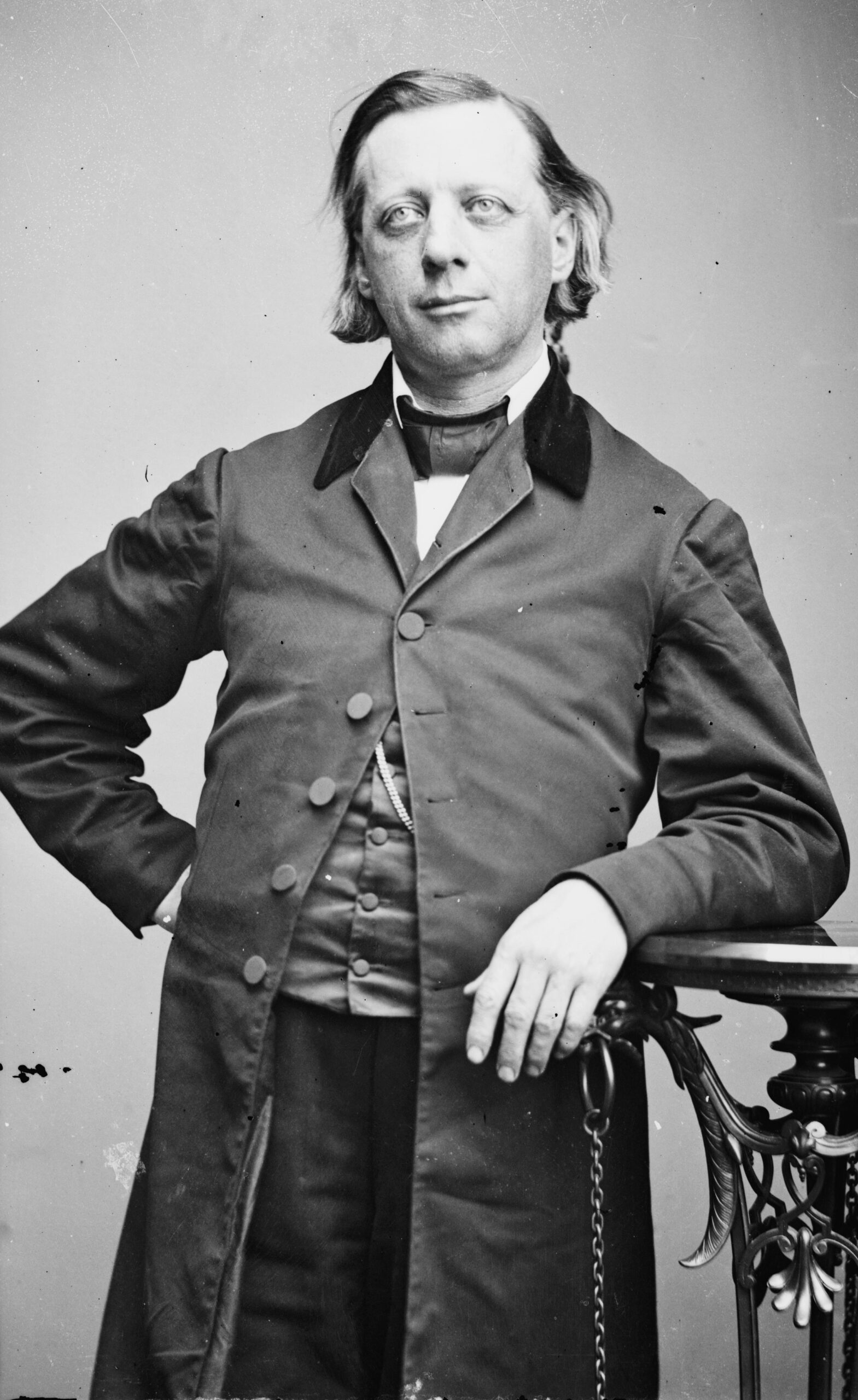
Born on June 24, 1813, in Litchfield, Connecticut, Henry Ward Beecher rose to become one of the nineteenth century’s most influential clergymen, social reformers, and abolitionists. Renowned for his booming rhetoric from the pulpit of Brooklyn’s Plymouth Church, Beecher possessed a keen understanding of the shifting American psychology during an era of intense industrial growth and societal transformation. His profound observation that success is full of promise until attained—becoming last year’s nest from which the bird has flown—captured a unique cultural tension.
Beecher recognized that the rapid pursuit of status and material success often left individuals experiencing an immediate sense of disillusionment once their goals were achieved. By framing success as an empty vessel, he urged his contemporaries to look beyond fleeting earthly triumphs and focus instead on enduring spiritual purpose, generosity, and social uplift—values he believed could anchor a nation increasingly dazzled by wealth and restless ambition.
