
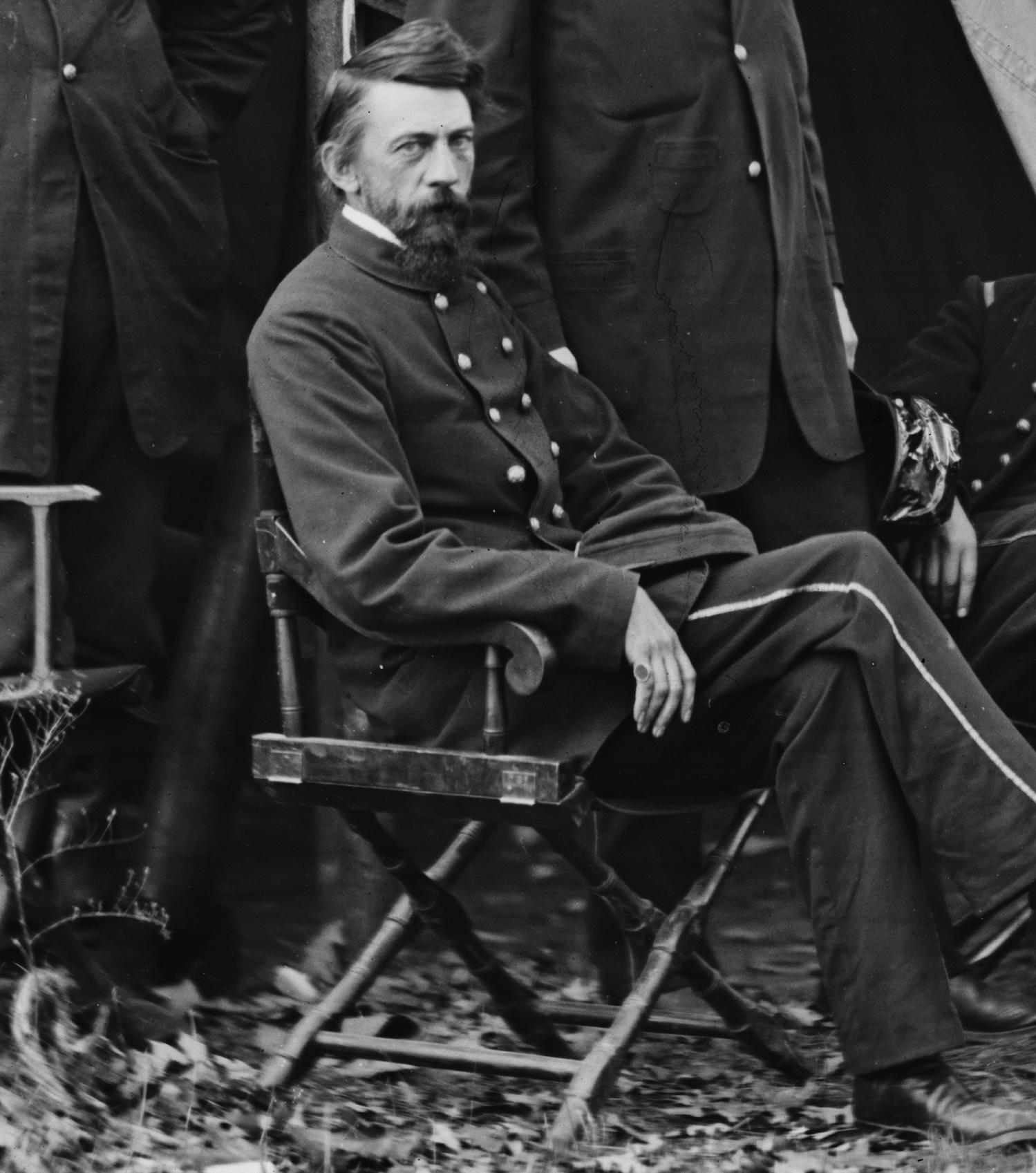
On June 11, 1862, Dr. Jonathan Letterman was officially appointed as the Medical Director of the Army of the Potomac, stepping into a catastrophic Union military medical system that was completely overwhelmed by the American Civil War. Prior to his appointment, wounded soldiers were frequently left bleeding on battlefields for days, or shoved into chaotic, unsanitary wagons that lacked basic medical supplies. Moved by the immense, unnecessary suffering of the troops, Letterman immediately set to work designing a revolutionary, highly organized system of emergency battlefield care.
Letterman’s profound empathy for the common soldier led him to invent the modern ambulance corps, training dedicated teams of stretchermen and wagons to rapidly evacuate casualties from the front lines. He also pioneered the concept of field triage, ensuring that the most critically wounded soldiers received immediate surgical attention regardless of their military rank. His systematic, compassionate approach to military medicine was put to the test at the Battle of Antietam and saved thousands of lives, permanently earning him the title of the Father of Battlefield Medicine.
