
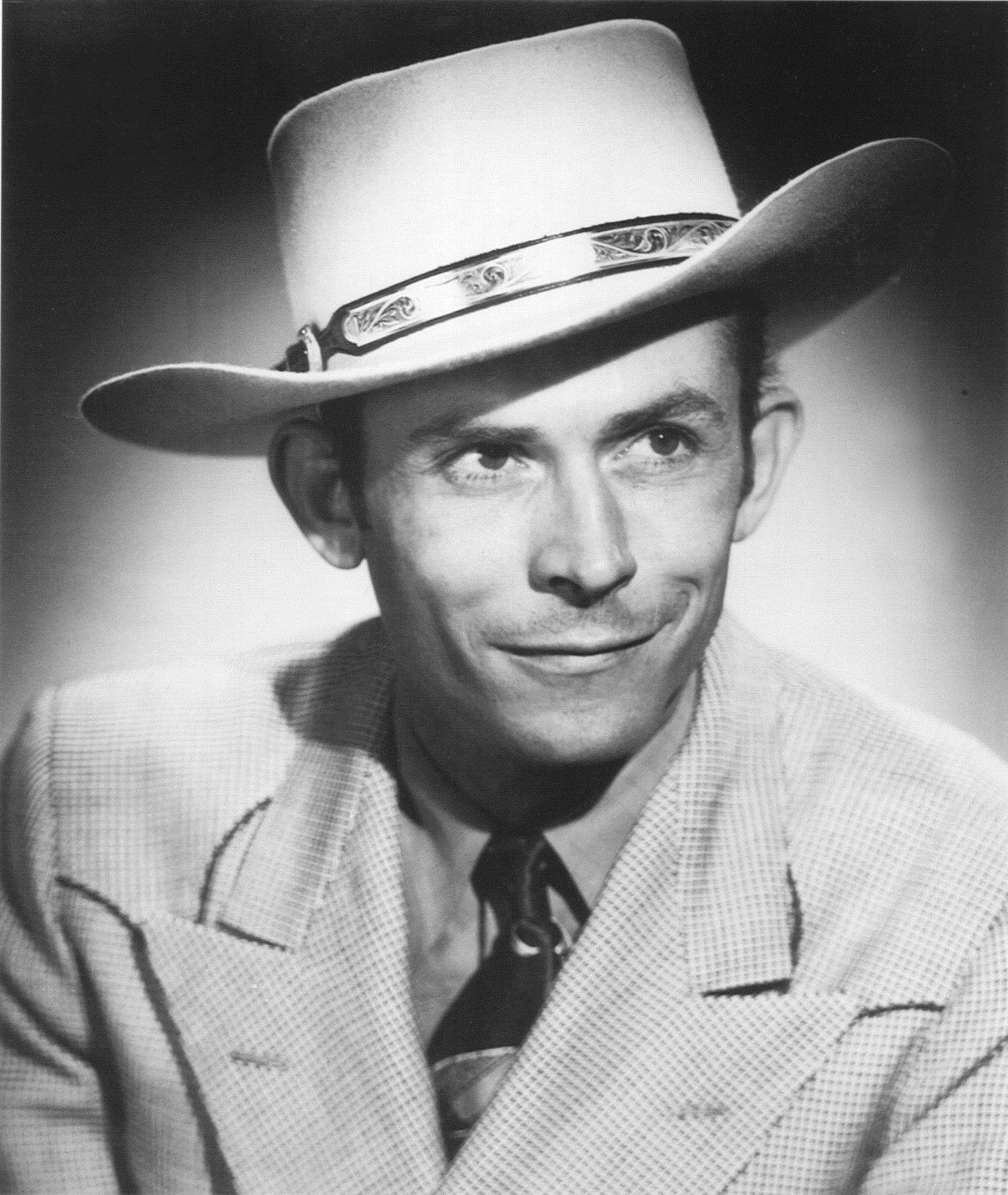
On June 11, 1949, a 25-year-old singer-songwriter named Hank Williams made his legendary debut on the stage of the Grand Ole Opry, permanently reshaping the future of country music. Clad in a tailored suit and a wide-brimmed hat, Williams delivered a raw, emotionally charged performance of his breakout hit, Lovesick Blues, that absolutely electrified the live audience inside Nashville’s Ryman Auditorium. The crowd erupted into an unprecedented frenzy, delivering a roaring standing ovation that forced the young artist back onto the stage to perform an astonishing six consecutive encores.
Williams’s explosive debut was a critical turning point for the Grand Ole Opry, which had previously hesitated to book the young star due to his notorious reputation for heavy drinking and erratic behavior. His mesmerizing stage presence and vulnerable, blues-infused vocal delivery instantly shattered the traditional boundaries of country music, proving that raw emotional honesty could connect with mainstream audiences on a massive scale. The historic performance on June 11 transformed Hank Williams from a regional honky-tonk singer into an international superstar, establishing him as the definitive pioneer of modern country music.
