
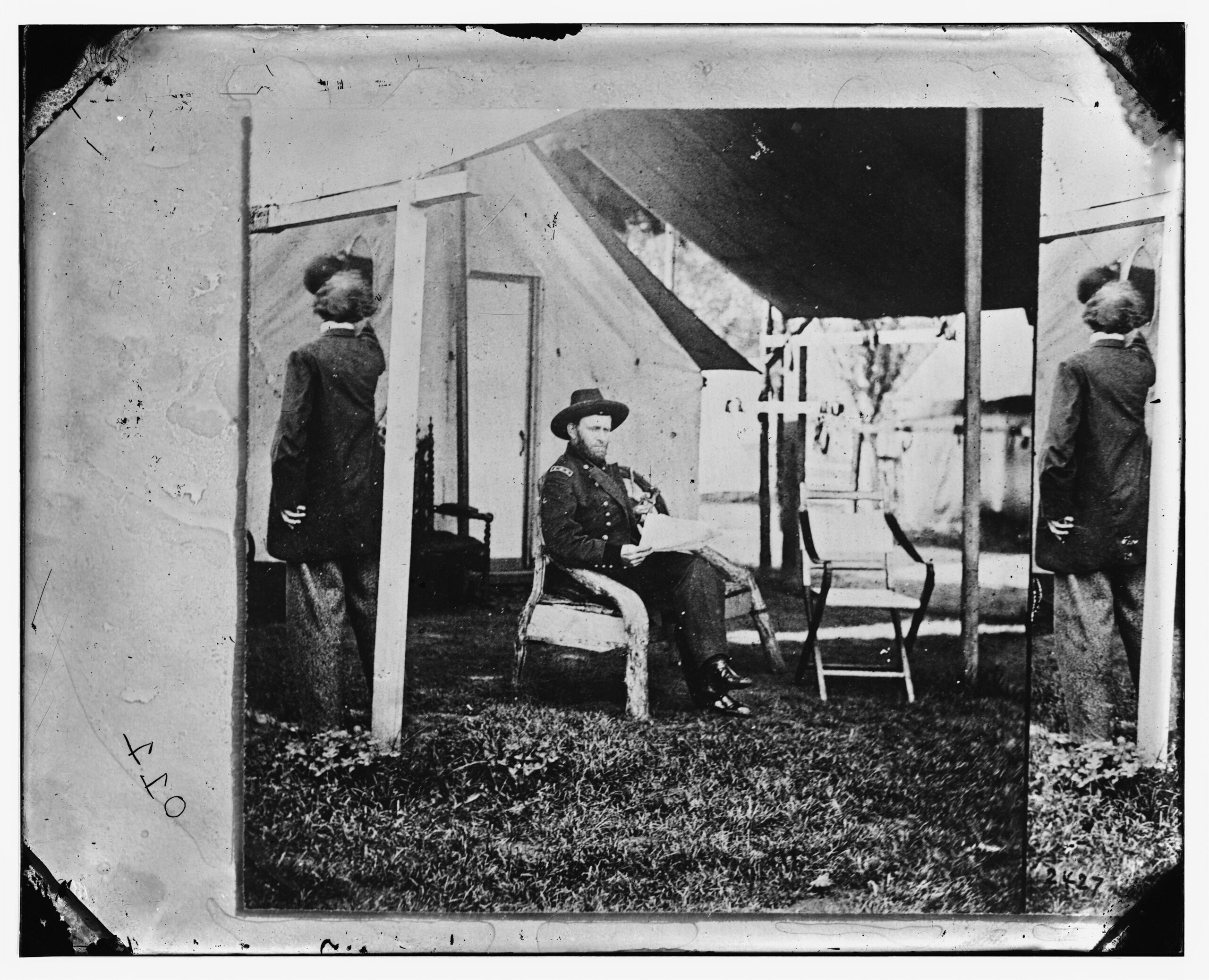
Union General Ulysses S. Grant initiated a devastating, tragic assault on June 3, 1864, that would haunt his military conscience for the remainder of his life. Attempting to break through the deeply entrenched lines of Confederate General Robert E. Lee at the Battle of Cold Harbor, Grant ordered a massive frontal charge across an open field in the early morning hours. The entrenched defenders unleashed a relentless storm of gunfire, cutting down thousands of Union soldiers in a matter of minutes and turning the dusty crossroads into a horrific scene of devastation. Reflecting on this moment years later in his Personal Memoirs, Grant admitted with rare candor: “I have always regretted that the last assault at Cold Harbor was ever made.”
The underlying heartbreak of the battle lay in the cold, desperate actions of the soldiers right before the assault began. Knowing that the frontal charge was a virtual death sentence, many Union troops spent the night before pinning paper slips with their names and home addresses onto the backs of their uniforms so their bodies could be identified by grieving families after the slaughter. For days after the fighting ceased, the cries of the wounded echoed across the sun-baked landscape because intense sniper fire prevented rescue teams from gathering the fallen, making the date an enduring monument to the raw, visceral human cost of a divided nation.
