
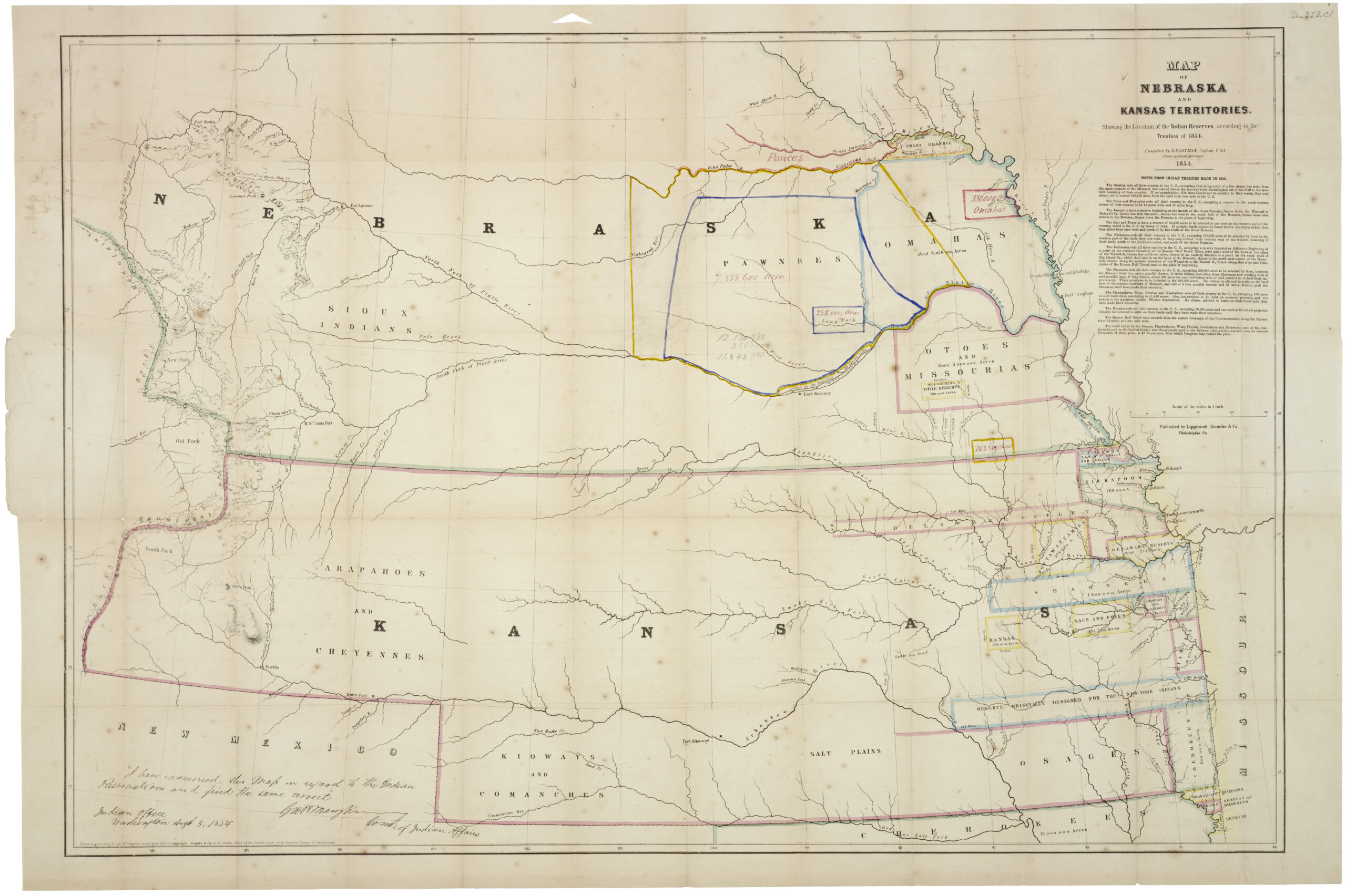
On May 30, 1854, President Franklin Pierce signed the Kansas‑Nebraska Act, a single stroke of the pen that shattered the fragile political balance holding the nation together. Engineered by Senator Stephen A. Douglas, who sought to open territory for a transcontinental railroad while appeasing Southern lawmakers, the law introduced popular sovereignty and effectively repealed the Missouri Compromise. This fateful decision left the question of slavery to the settlers themselves, igniting a wave of lawlessness and bloodshed known as Bleeding Kansas. Beneath the clean lines of the surveyor’s map lay Indigenous homelands, clashing moral visions, and a nation hurtling toward civil war.
