
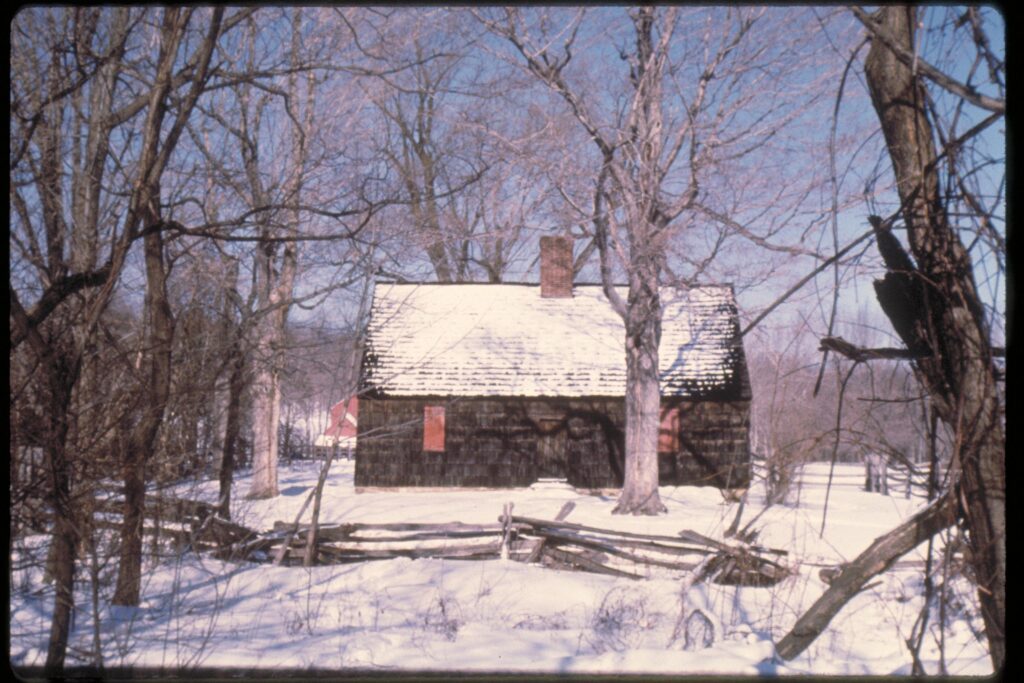
Wick Farm, Morristown — December 1, 1779
In the snow-laden woods of Jockey Hollow, General George Washington began his second winter encampment in Morristown, New Jersey — a season more brutal than Valley Forge. The Continental Army, nearly 12,000 strong, built over a thousand log huts on Henry Wick’s land, felling hundreds of acres of timber to survive what would become the coldest winter of the 18th century. While Washington headquartered at the nearby Ford Mansion, his troops endured freezing temperatures, scarce supplies, and deep snow — testing the resilience of a revolution not yet won.
The log cabin pictured here is a faithful reproduction, built to resemble the shelters Washington’s soldiers constructed across Wick’s 1,400 acres of woodland — a testament to endurance carved from forest and frost.
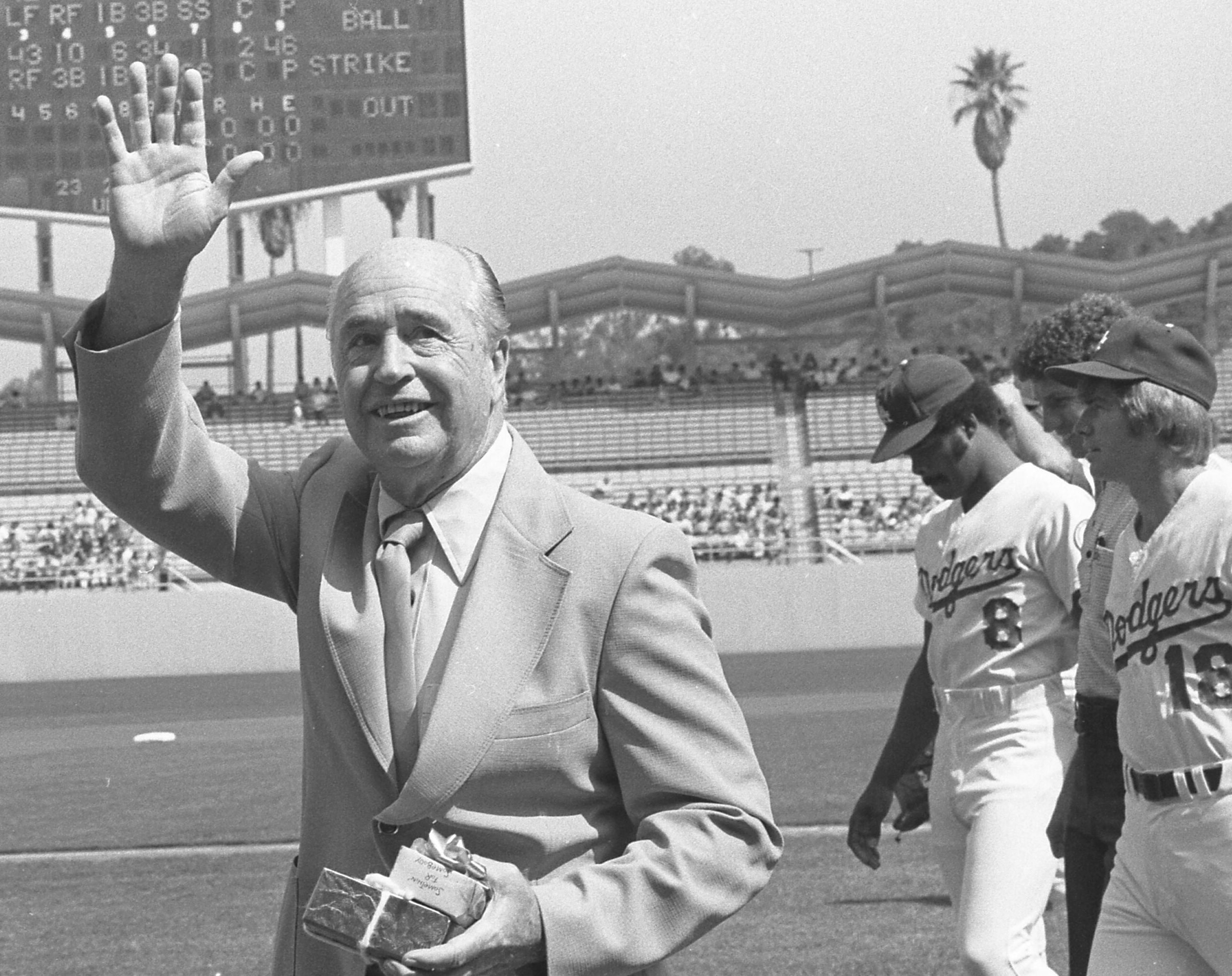
Walter Alston, the manager of the Brooklyn/Los Angeles Dodgers between 1954-1976 was born on December 1, 1911 in Venice, Ohio.
Image of Alston after his retirement in 1976 by Bernie Boston, Los Angeles Times via Wikimedia Commons, CC BY 4.0
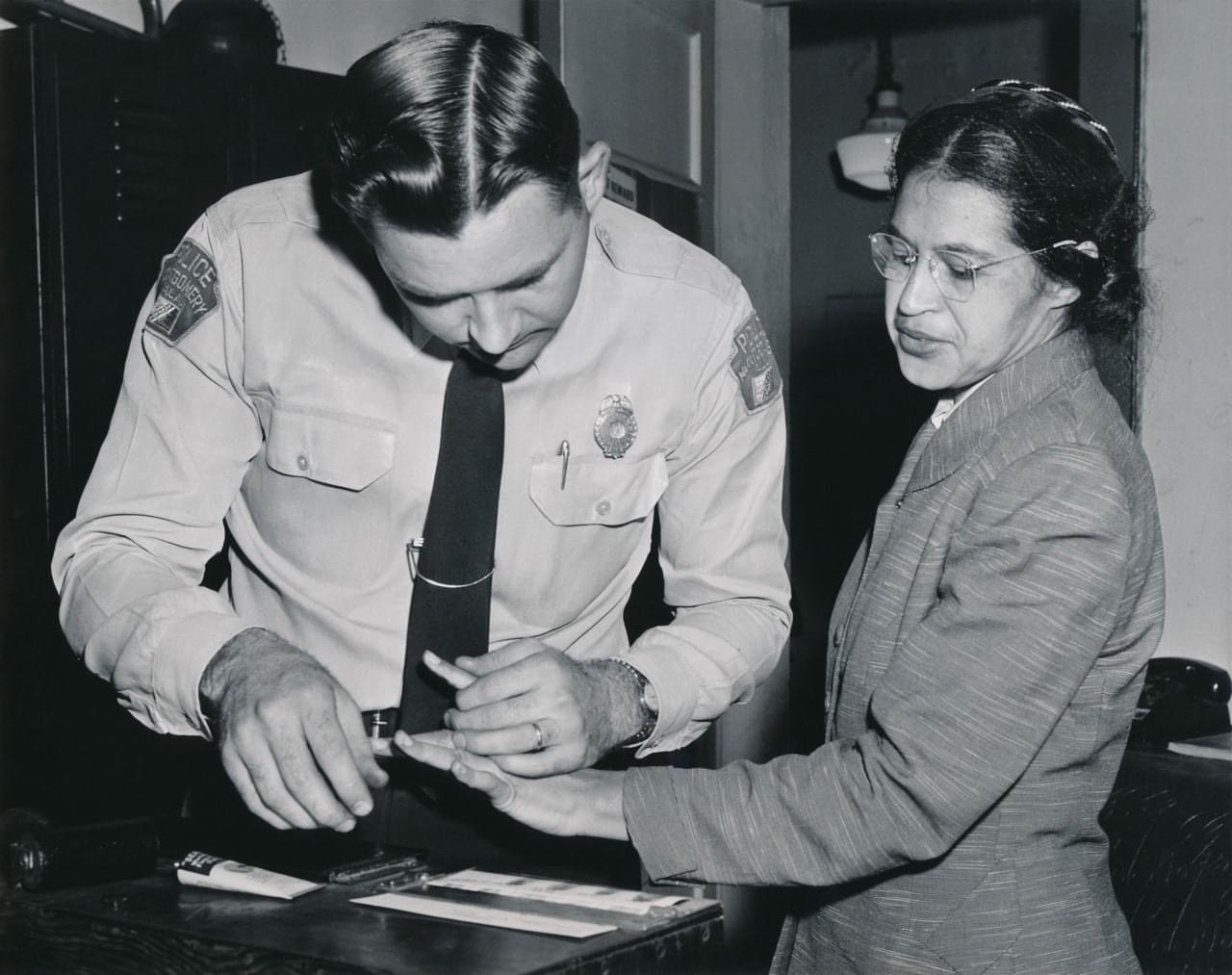
Rosa Parks being fingerprinted in 1956
This image was taken months after Rosa refused to surrender her seat on December 1, 1955.
Image via Wikimedia Commons, public domain
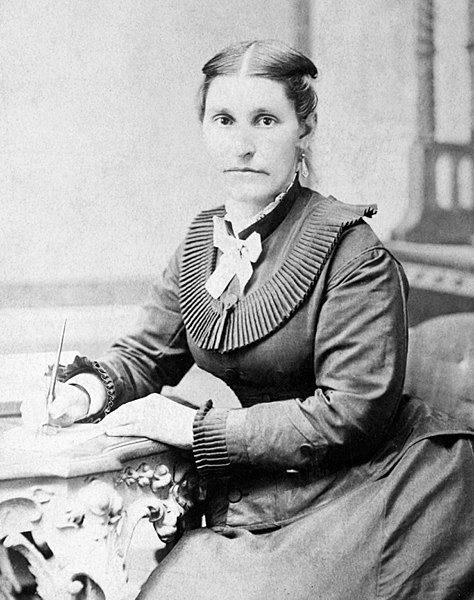
Born December 1, 1847, Julia A. Moore gained a reputation for writing incredibly bad poetry. Moore drew inspiration from deaths, disasters, and assorted mayhem but acknowledged that “Literary is a work very difficult to do.” A reviewer said of her poetry “Shakespeare, could he read it, would be glad that he is dead.”
Image via Wikimedia Commons, public domain in the US.
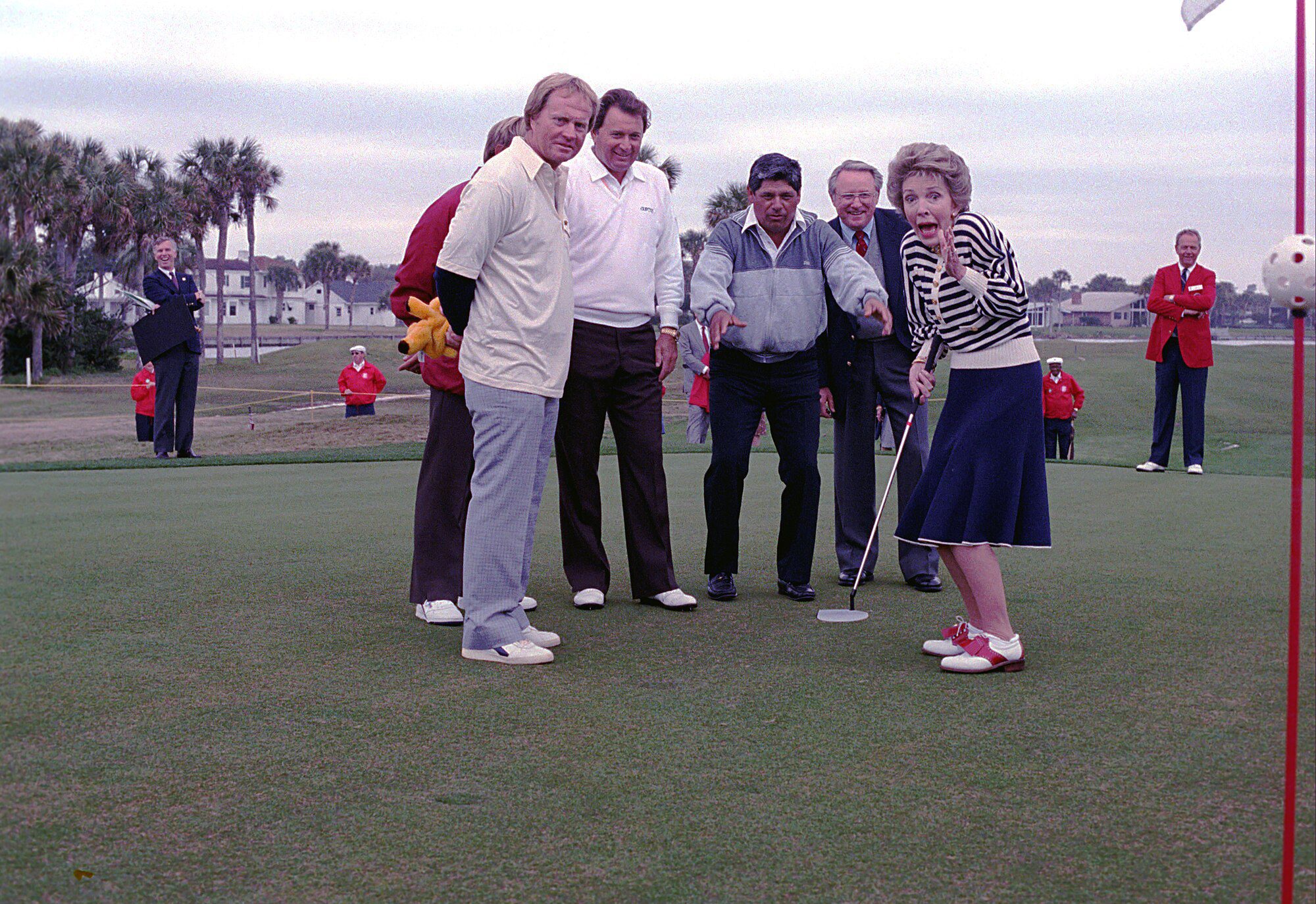
American pro golfer Lee Trevino was born on December 1, 1939 in Garland, Texas.
He was PGA Player of The Year in 1971 and has 92 pro golf wins.
Here is Lee Trevino, Jack Nicklaus, Raymond Floyd and others reacting as Nancy Reagan makes a putt in 1987
Image via Wikimedia Commons, public domain
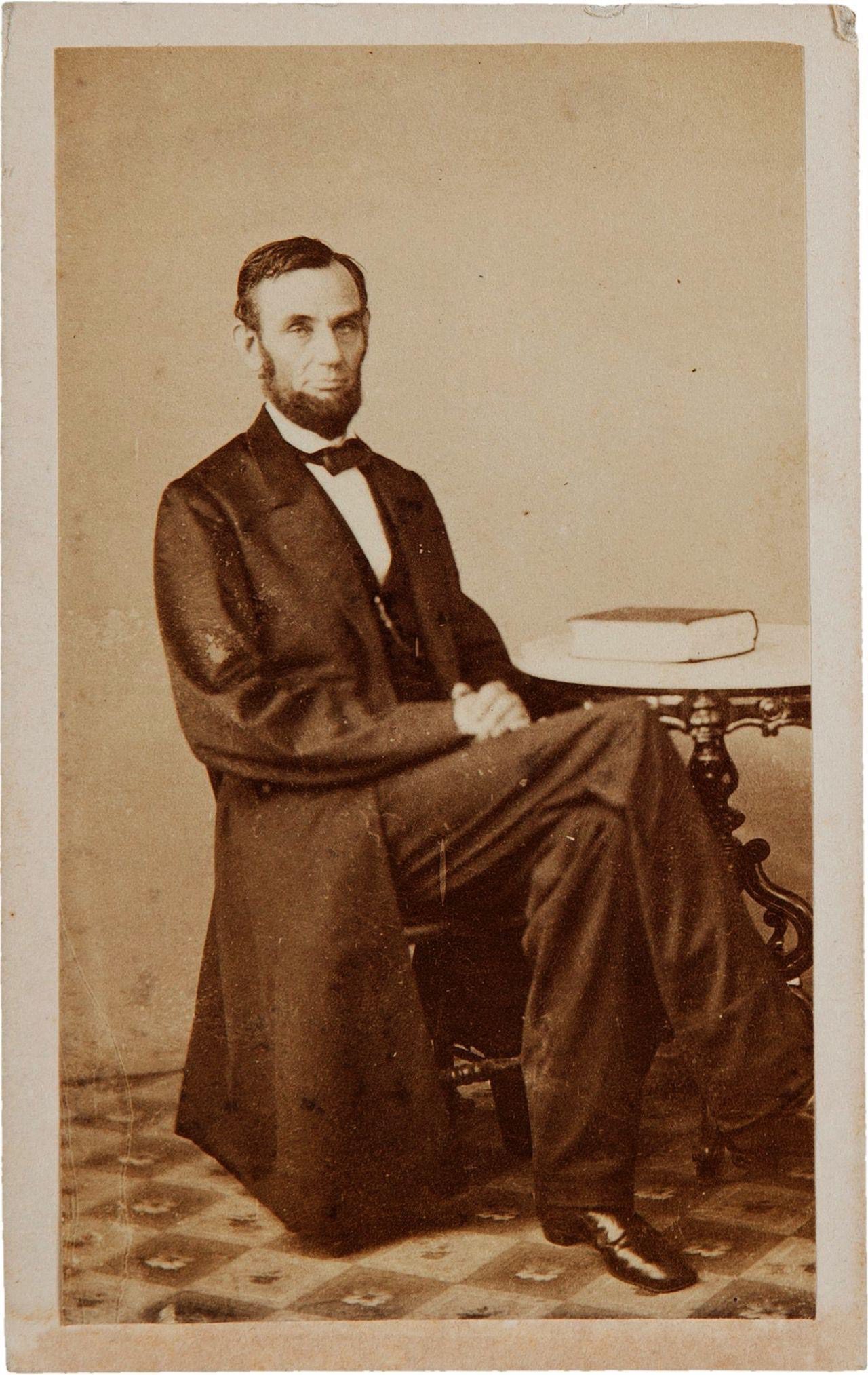
“Fellow-citizens, we can not escape history.”
– Abraham Lincoln from his Second State of The Union Address on December 1, 1862
Image of Abraham Lincoln via Wikimedia Commons, public domain
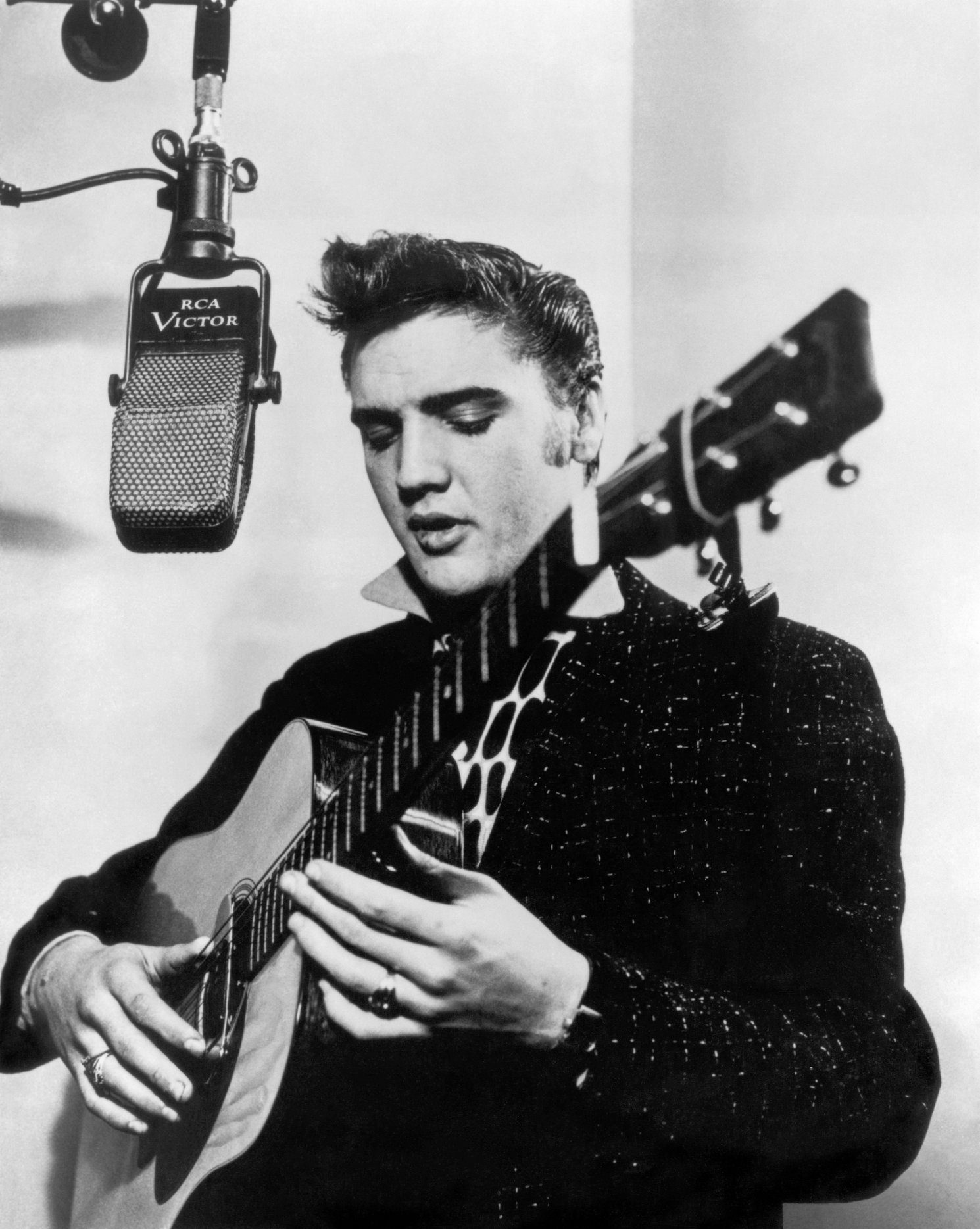
Elvis Presley at RCA Victor Studios in New York City on December 1, 1955 with a borrowed guitar and a vintage RCA microphone. “Heartbreak Hotel” would be recorded six weeks later, setting the stage for a seismic shift in American music.
Image via Alamy
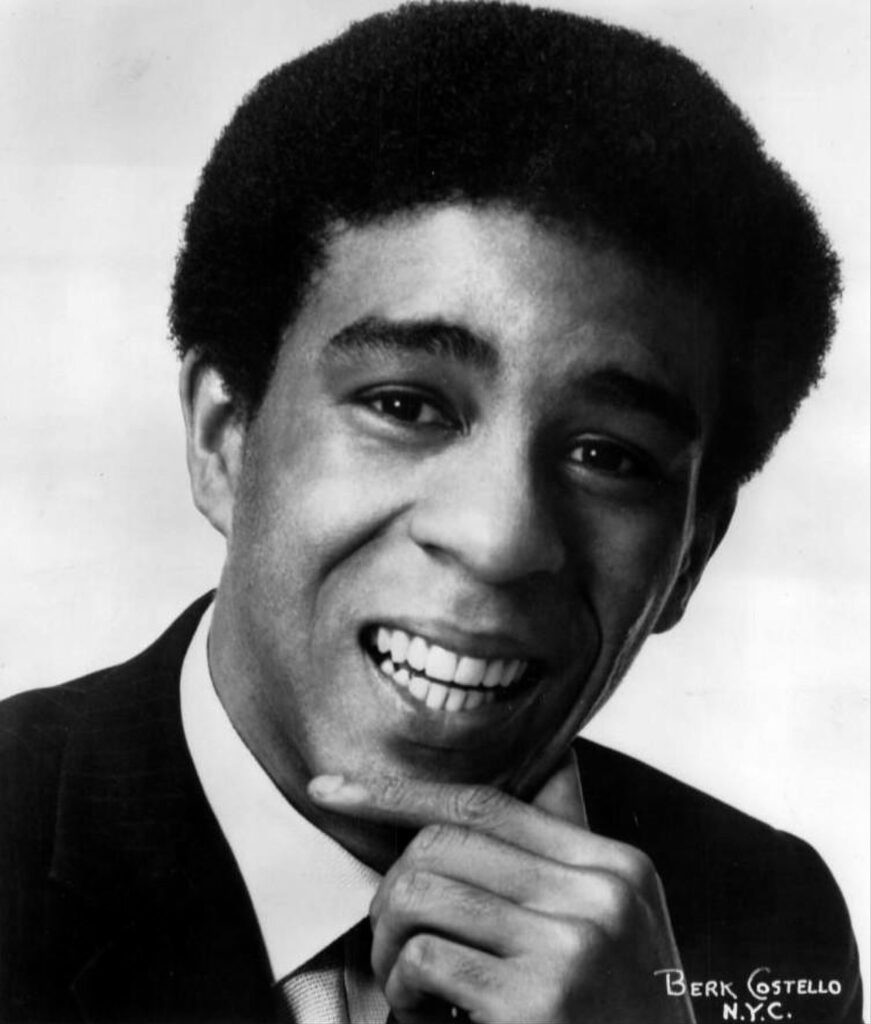
“Two things people throughout history have had in common are hatred and humor. I am proud that I have been able to use humor to lessen people’s hatred.” This quote embodies the raw philosophy of Richard Pryor, the legendary American comedian born on December 1, 1940. Widely regarded as one of the most influential comedians of all time, Pryor raised stand-up to an art form, earning Emmys, Grammys, and the Mark Twain Prize. He transformed the entertainment landscape by bravely turning a life marked by trauma, addiction, and later a battle with multiple sclerosis into material that challenged taboos and connected with audiences across divides. His voice, at once vulnerable and fearless, redefined comedy as truth-telling — and left a legacy that continues to resonate.
Image of Pryor in 1969 via Wikimedia Commons, public domain
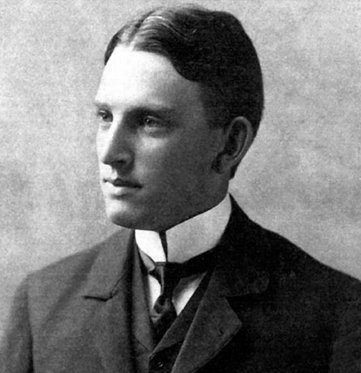
A portrait of banker and attorney Merkel Landis. In 1909 he started America’s first Christmas savings club in Carlisle, Pennsylvania. On that first day of December in 1909, members received their funds with interest, just in time for holiday shopping.
Image: Landis in 1901 via Wikimedia Commons, public domain
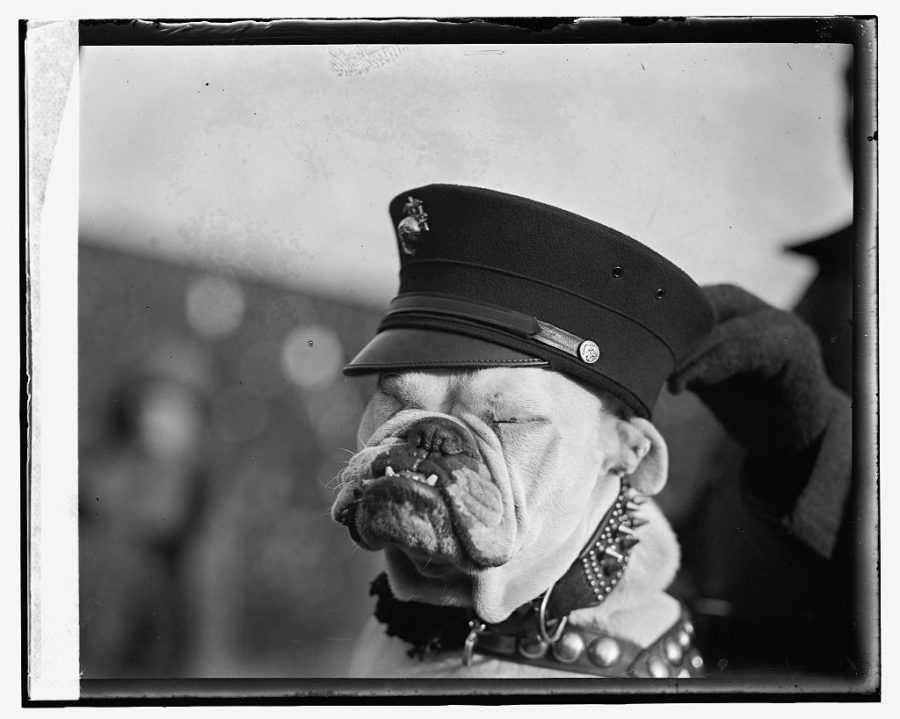
A photo of U.S. Marine mascot Sgt. Major Jiggs
12/1/1923
Image via LOC, no known restrictions
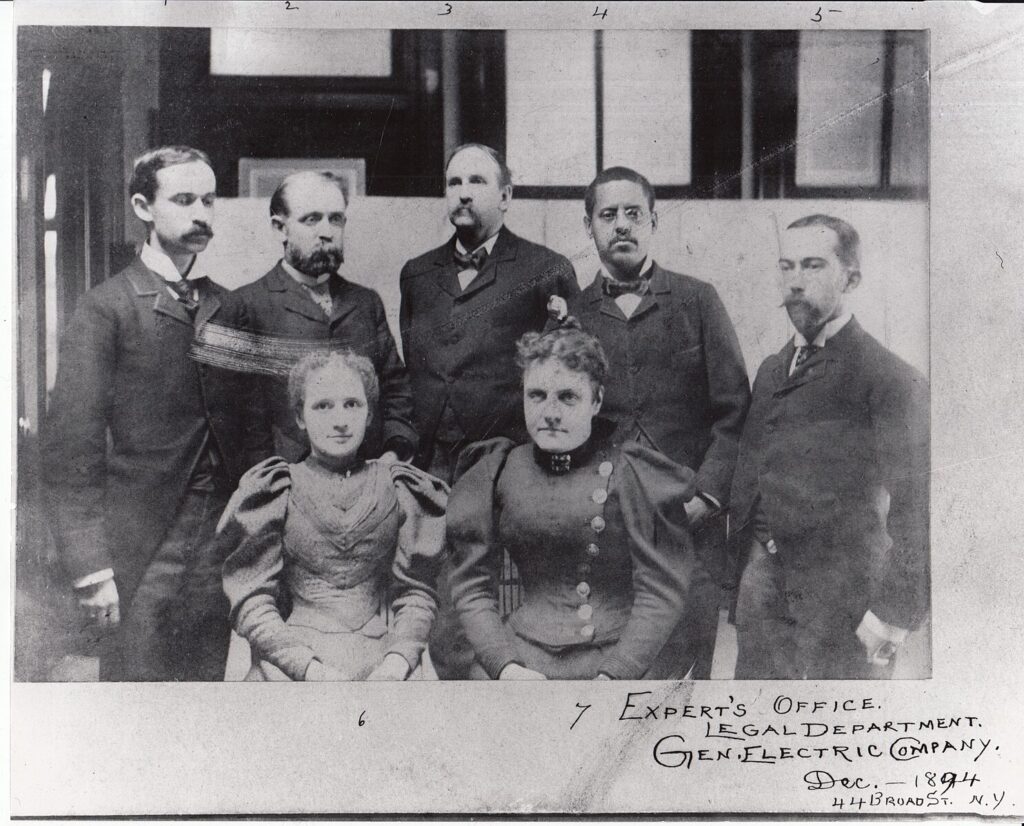
Lewis H. Latimer, second from right, with staff of the “experts’ office,” legal department, General Electric Company.
December 1894
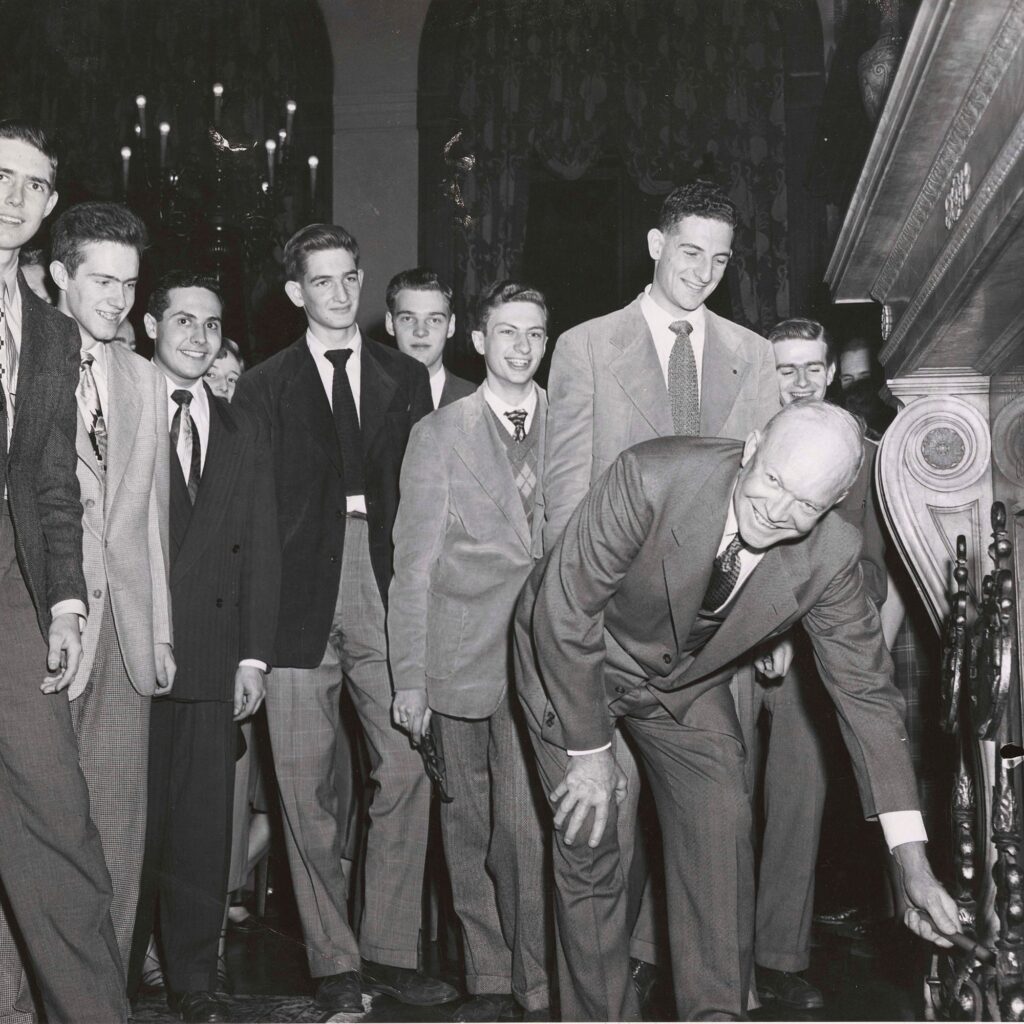
Dwight D. Eisenhower, who was President of Columbia University at that time, continuing the tradition of lighting the yule log at the prestigious Ivy League university.
December 1, 1949
Image via Wikimedia Commons, no known restrictions
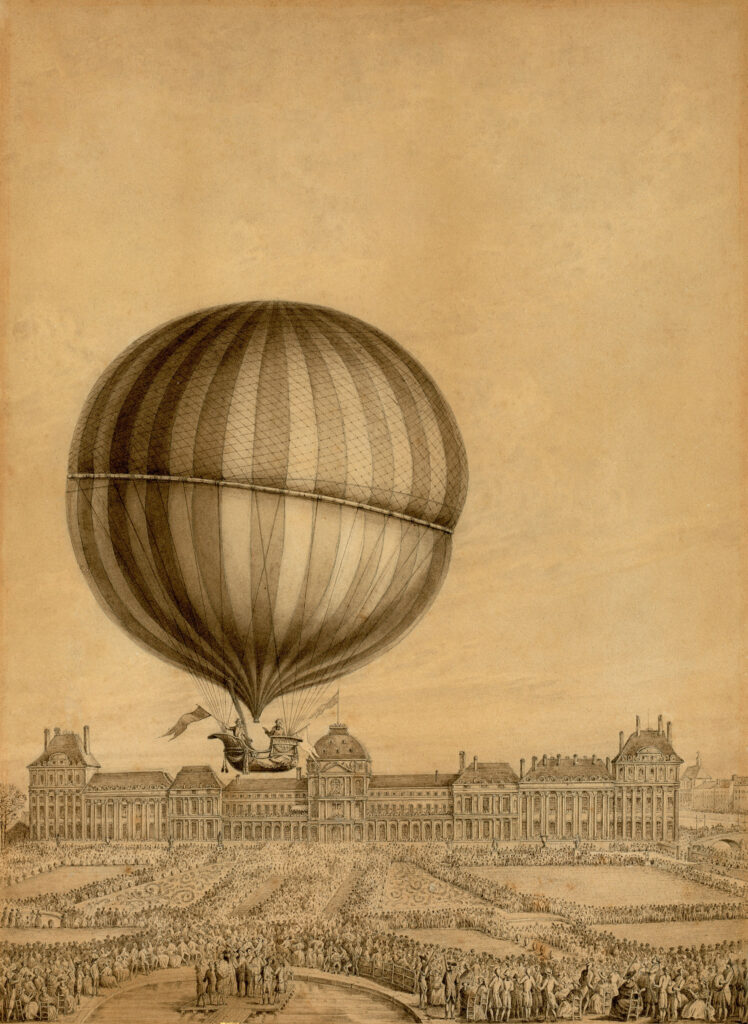
On December 1, 1783, only days after witnessing the first manned balloon flight, Benjamin Franklin witnesses the first manned hydrogen balloon flight from the Jardin des Tuileries in Paris,
France.
Image via Wikimedia Commons, no known restrictions
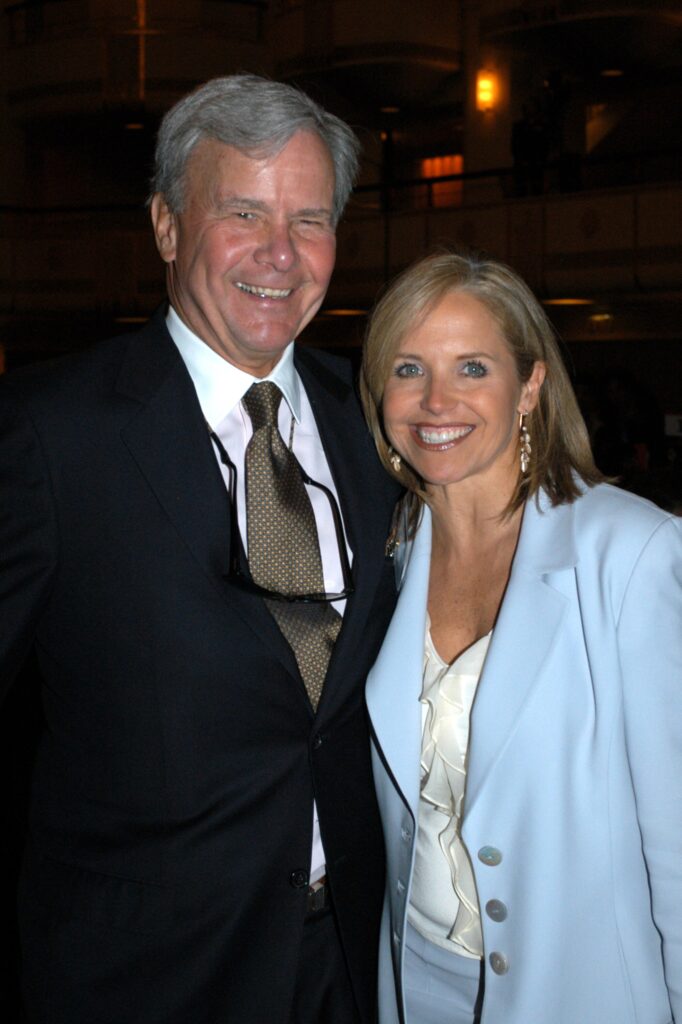
On December 1, 2004, Tom Brokaw signed off after twenty-two years as anchor of NBC Nightly News.
Photo of Tom Brokaw and Katie Couric at the 63rd Annual Peabody Awards Luncheon at the Waldorf Astoria Hotel held earlier in 2004
Image from the Peabody Awards via Wikimedia Commons, CC BY 2.0
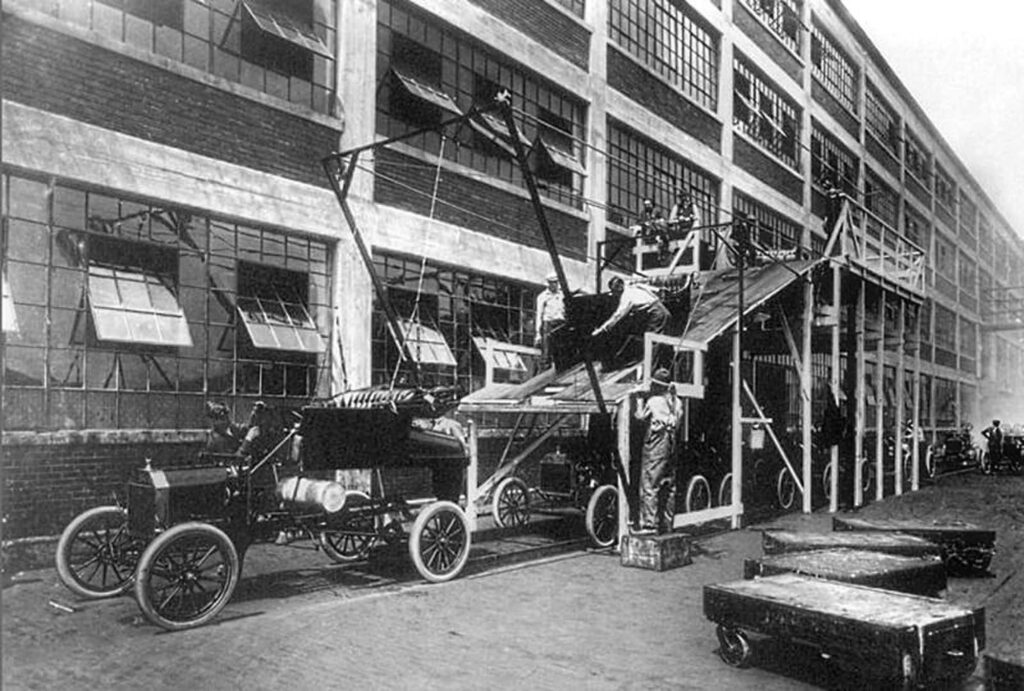
On December 1, 1913 Ford’s new assembly line went into service.
Image of Ford plant from 1913 via Wikimedia Commons, public domain
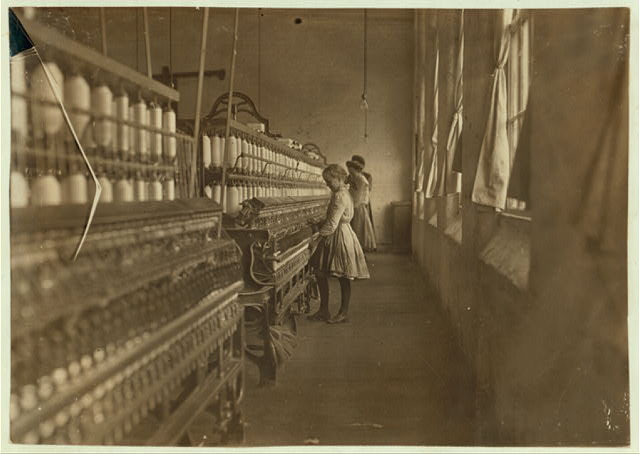
Hattie Hunter, spinner in Lancaster Cotton Mills, S.C. 52 inches high, worked in mill for 3 years. Gets 50 cents a day. Dec. 1, 1908. Location: Lancaster, South Carolina.
Image via LOC, no known restrictions
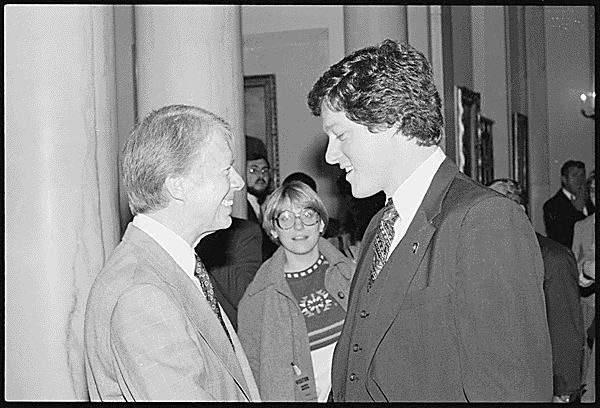
President Jimmy Carter greets Governor-elect Bill Clinton in the Blue Room of the White House — December 1, 1978. In this moment of warmth and recognition, a seasoned leader welcomes a rising star of American politics. Their handshake, exchanged beneath the chandeliers and gilded mirrors of one of the nation’s most historic reception rooms, marks the beginning of Clinton’s gubernatorial journey — and foreshadows the ascent of a future president.
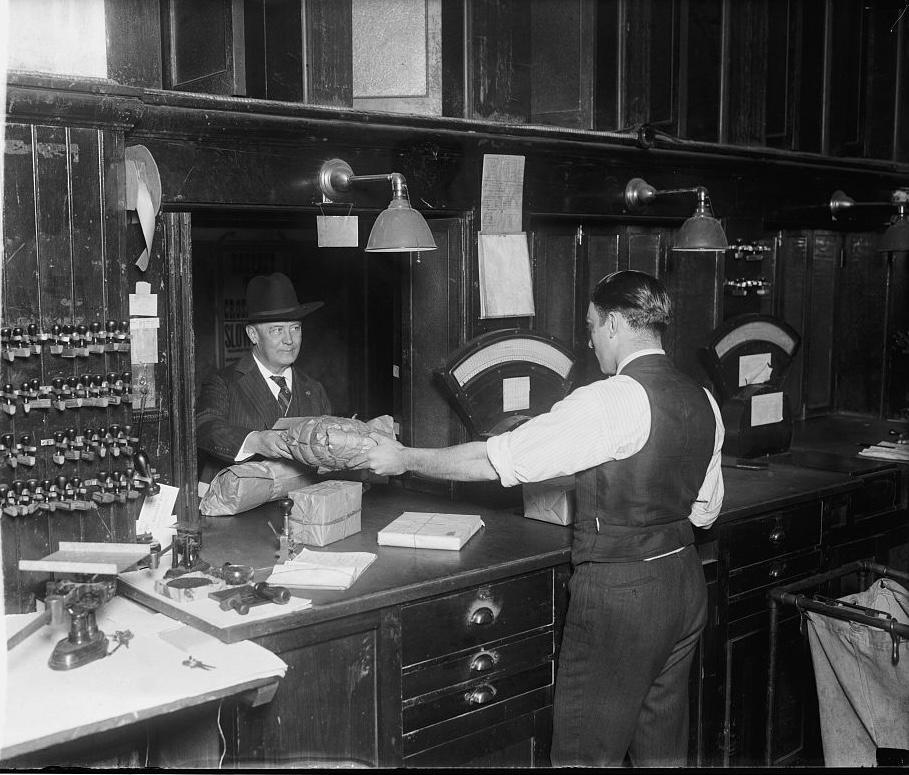
Spanish–American War Captain turned Postmaster General — Harry S. New mails personal correspondence, Dec. 1, 1925. A veteran of military logistics, New now leads a new era in postal reform. Under his watch, airmail routes shifted to private contractors, postage rates were standardized, and armored trucks with armed guards secured the nation’s mail. His leadership marked the Post Office’s embrace of aviation, motor transport, and modern security in an age of rapid change.
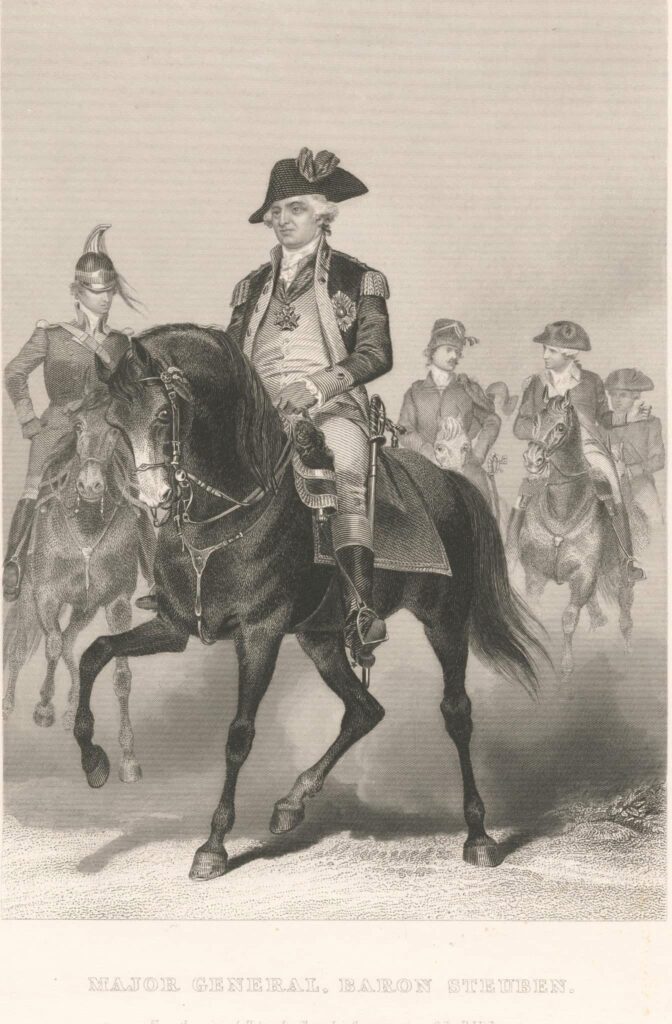
On December 1, 1777 Baron von Steuben arrived in Portsmouth, New Hampshire after a long journey across the Atlantic. Upon his arrival he and his military aides were nearly arrested by Americans because they were wearing red uniforms.
He arrived at Valley Forge in late February of the following year.
Image via Wikimedia Commons, public domain
