
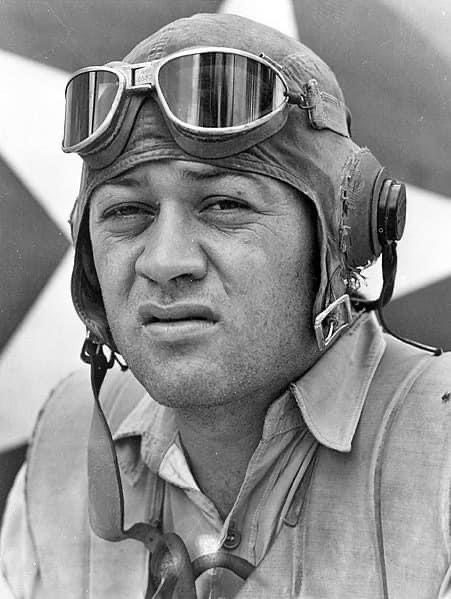
Colonel Gregory “Pappy” Boyington, USMC, was born on December 4, 1912. As a WW2 fighter ace he was the recipient of the Medal of Honor and Navy Cross and is credited with shooting down 26 enemy planes while leading VMF-214, the “Black Sheep Squadron.” Image via Wikimedia Commons, public domain
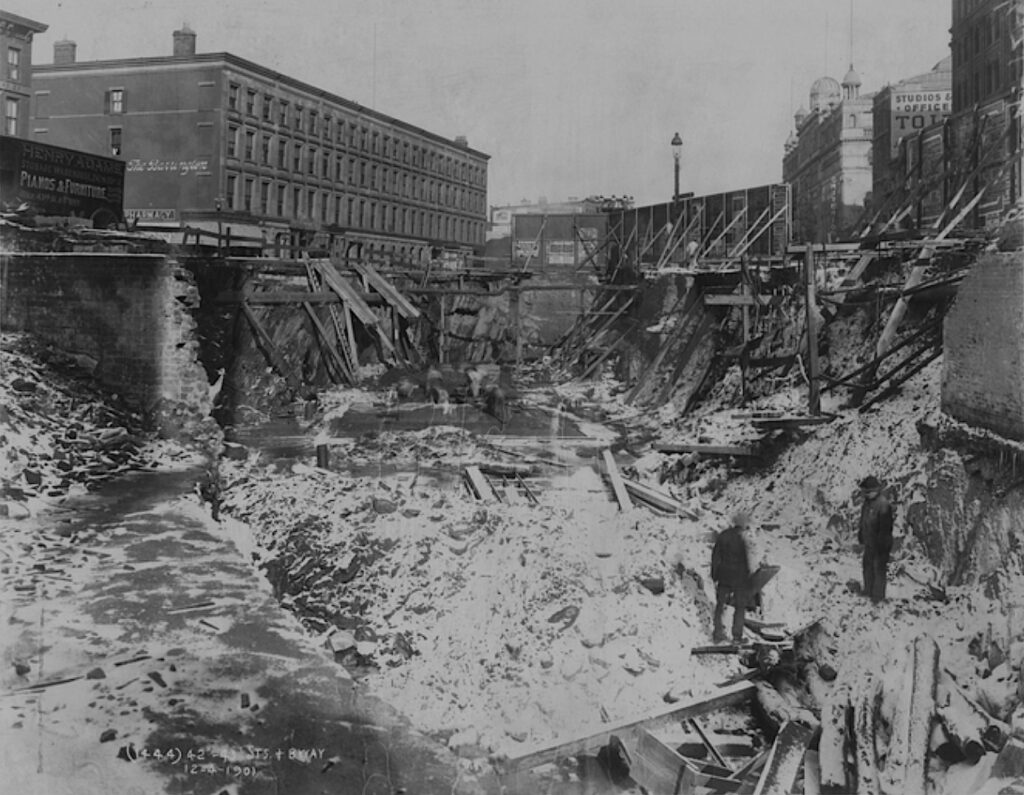
A view of Longacre Square (later renamed Times Square) in Manhattan during excavation for New York’s first operational subway line, December 4, 1901. The Interborough Rapid Transit opened in 1904, transforming city transit and the square’s identity.
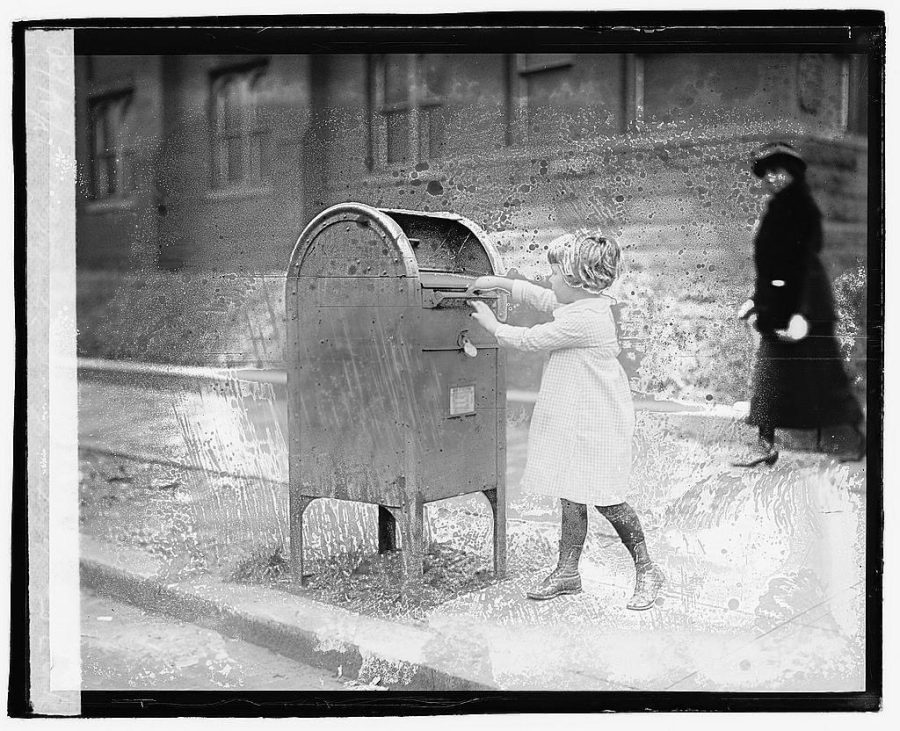
Writing to Santa Claus December 4, 1920
via Library of Congress, no known restrictions
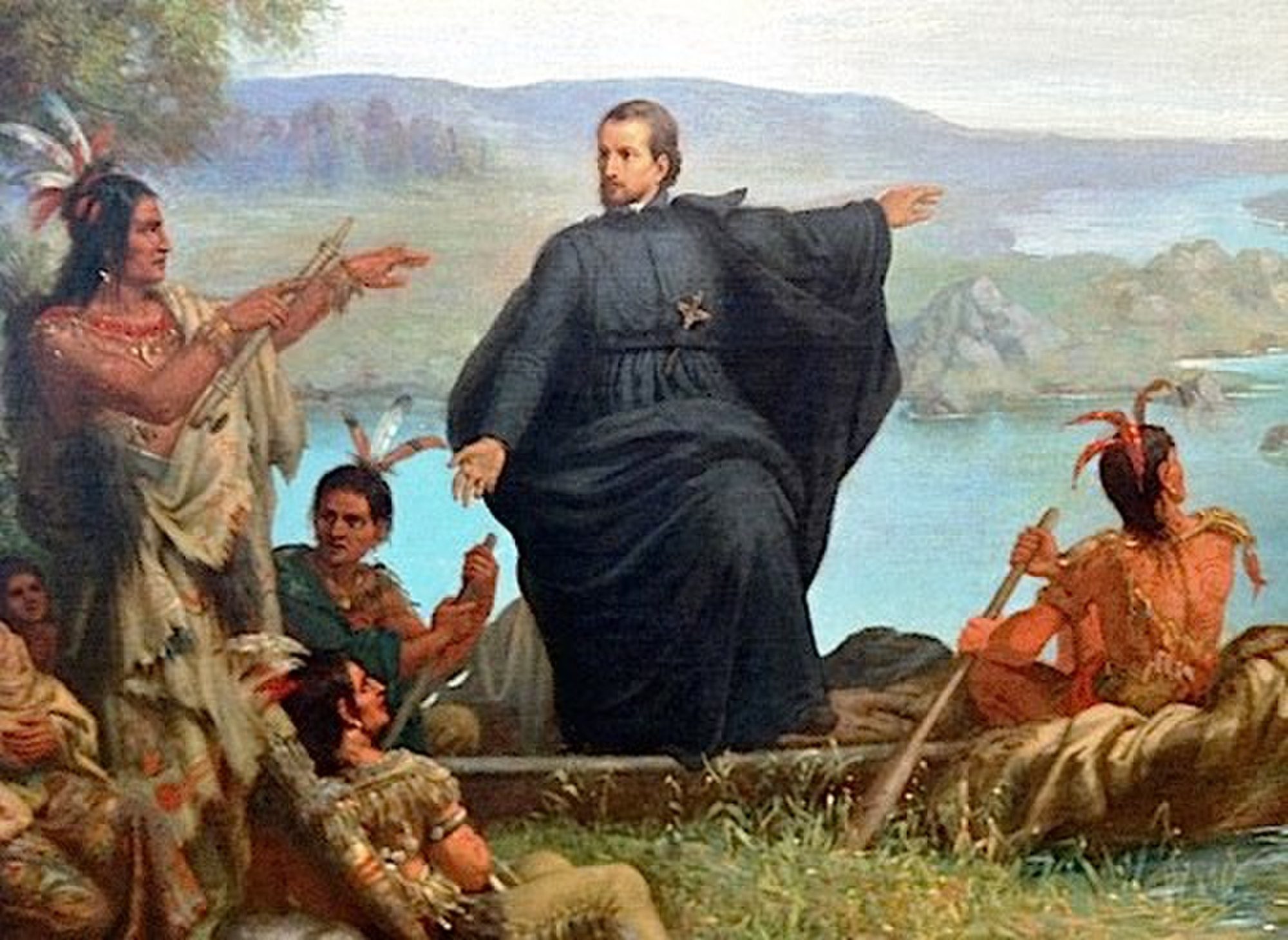
1674 – Father Jacques Marquette winters near the Chicago River
Jesuit missionary Jacques Marquette, weakened by illness after exploring the Mississippi, traveled north with companions and camped near the mouth of the Chicago River. Though not a permanent settlement, his brief stay marked one of the earliest recorded European presences in the area that would later become Chicago.
Image: Jacques Marquette preaching to Native Americans via Wikimedia Commons, public domain
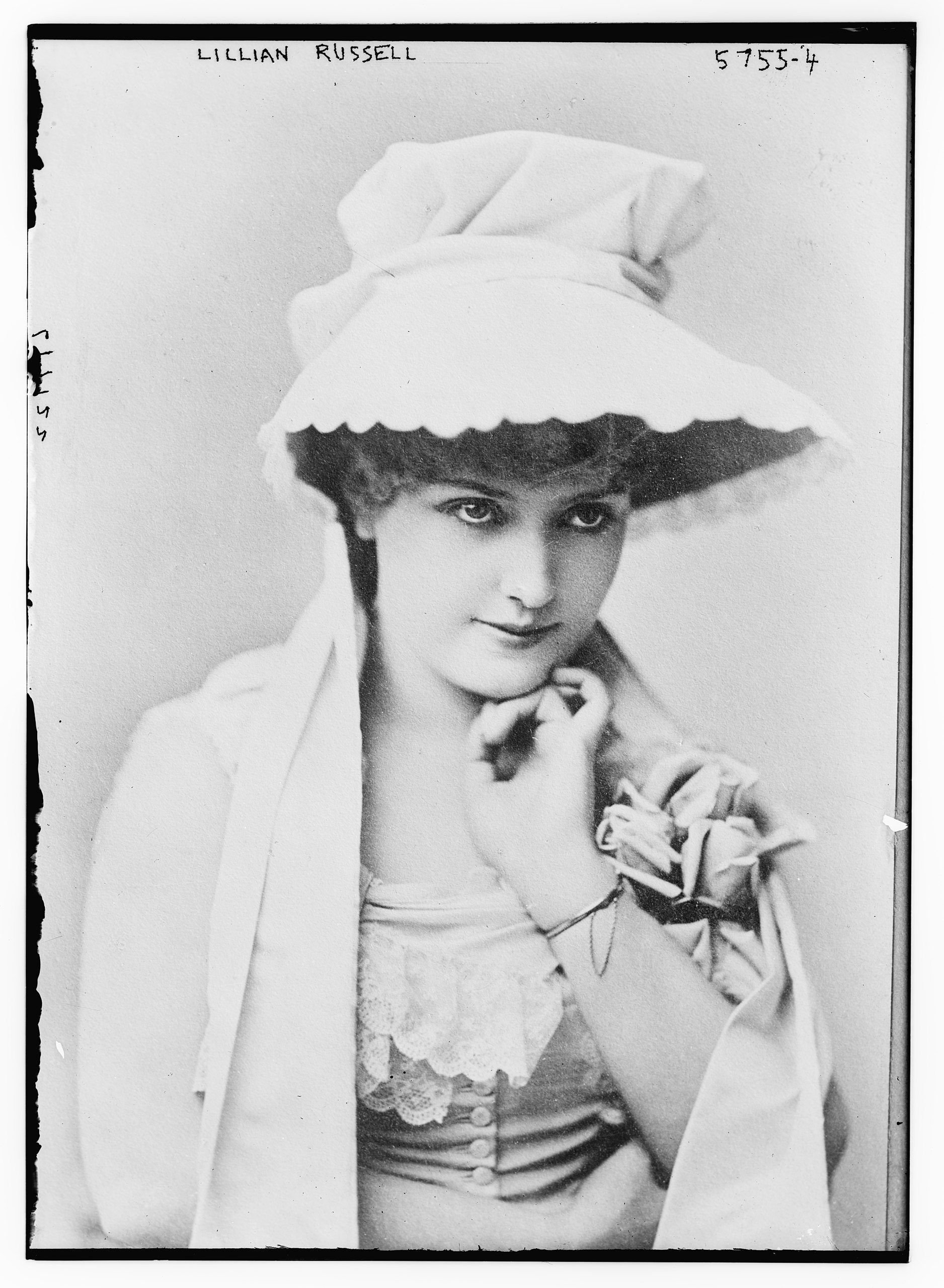
Born in Clinton, Iowa on December 4, American singer and actress Lillian Russell was known for her beautiful voice. This image from about 1900 was around the time she starred in musicals named “Fiddle-dee-dee” and “Whoop-de-doo.”
Image via Wikimedia Commons, public domain
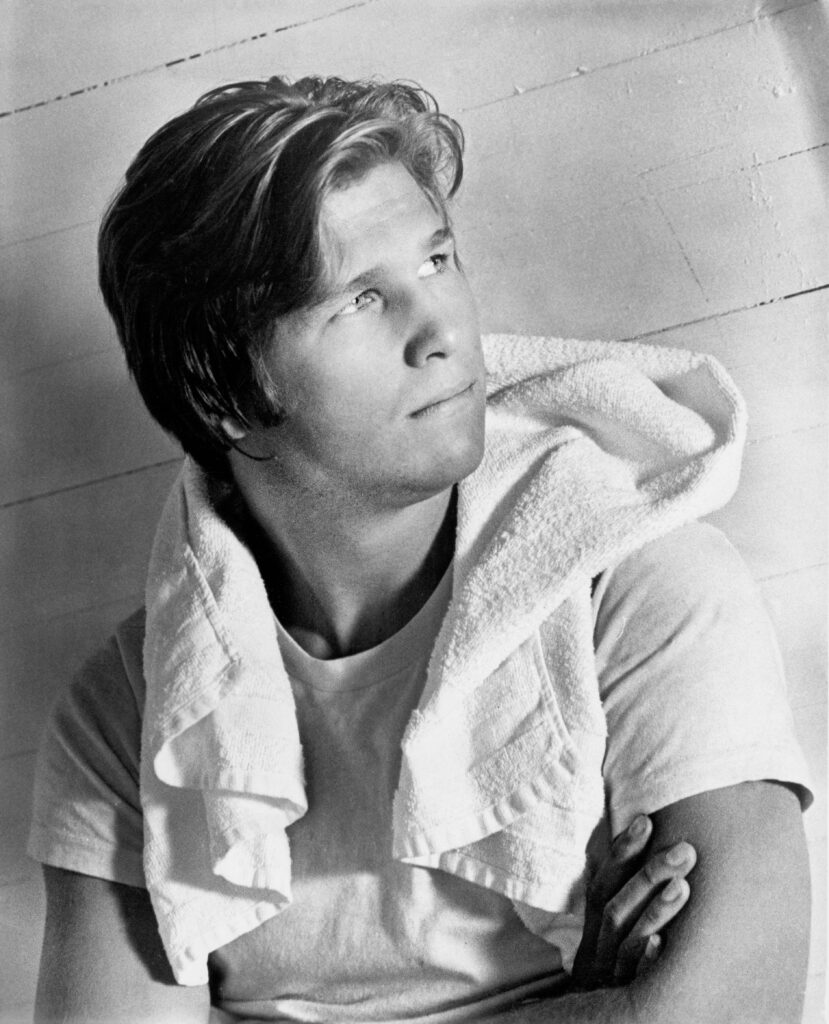
Image: Jeff Bridges, on-set of the Film, ”Fat City”, Columbia Pictures, 1972
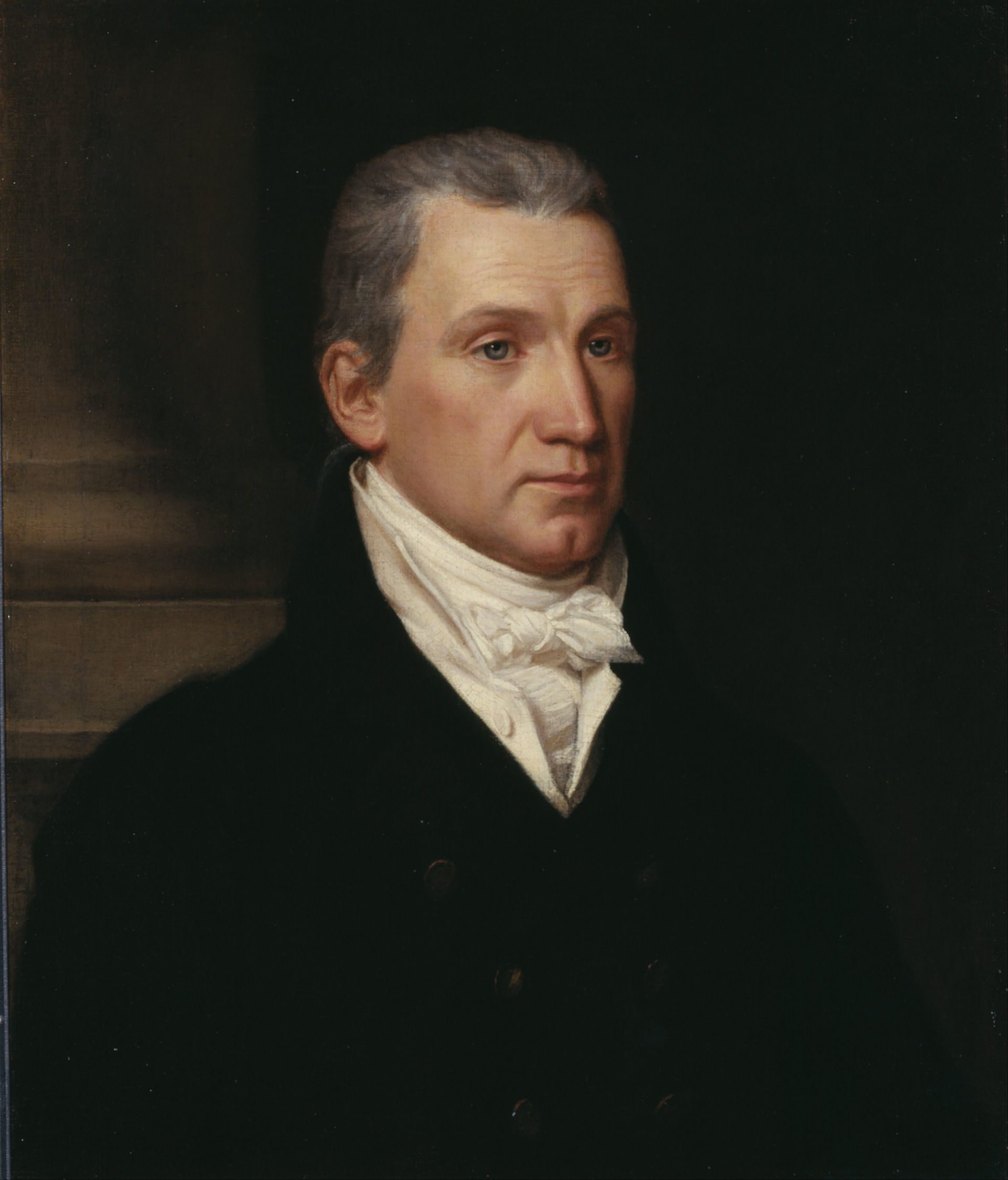
On December 4, 1816, James Monroe defeated U.S. Senator from New York and final Federalist Party candidate Rufus King to become the 5th President of The United States. Image of James Monroe from 1816 via Wikimedia Commons, public domain
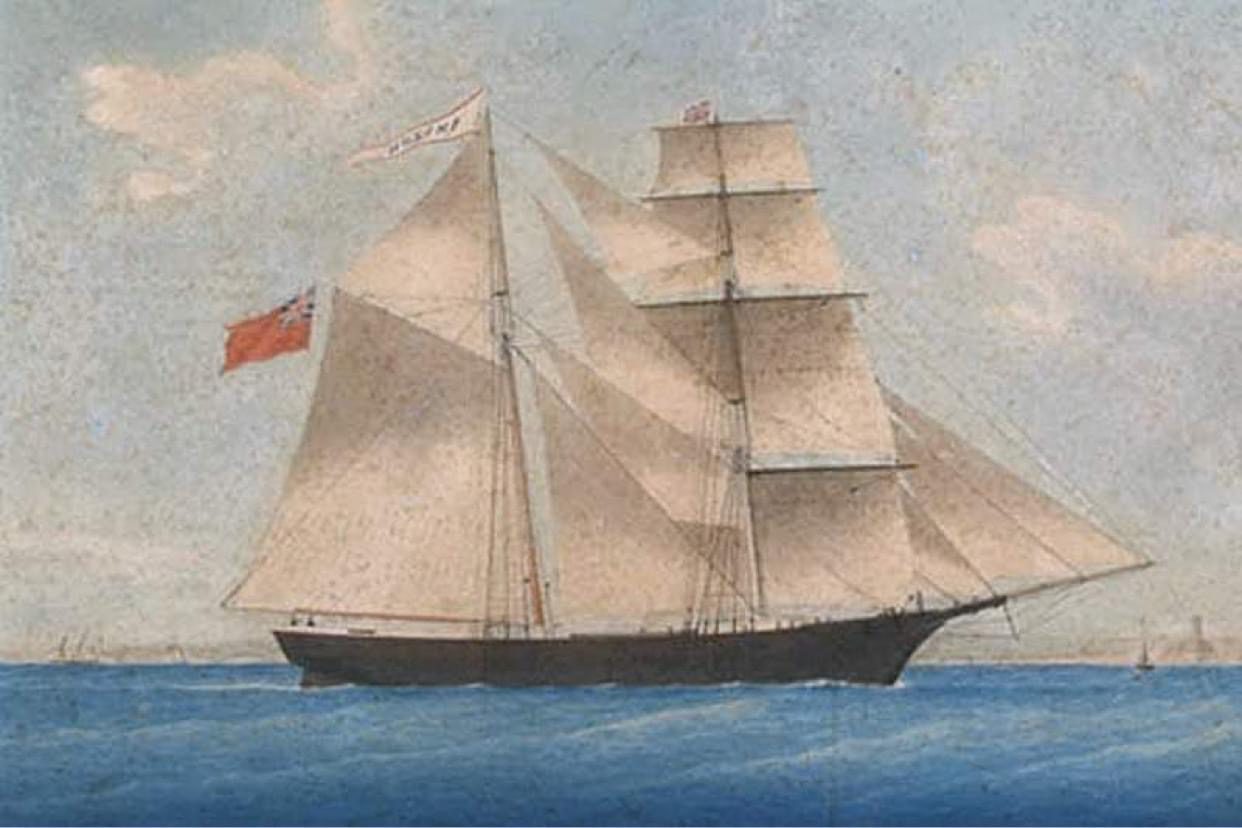
On December 4, 1872 the American brig “Marie Celeste” was discovered adrift in the Atlantic Ocean without a soul aboard. The fate of her master, Benjamin Briggs, his wife, infant daughter and 7 crewmen remains a mystery of the sea. The ship was first given the name “Amazon” as shown in this 1861 painting. Image via Wikimedia Commons, public domain in the U.S.
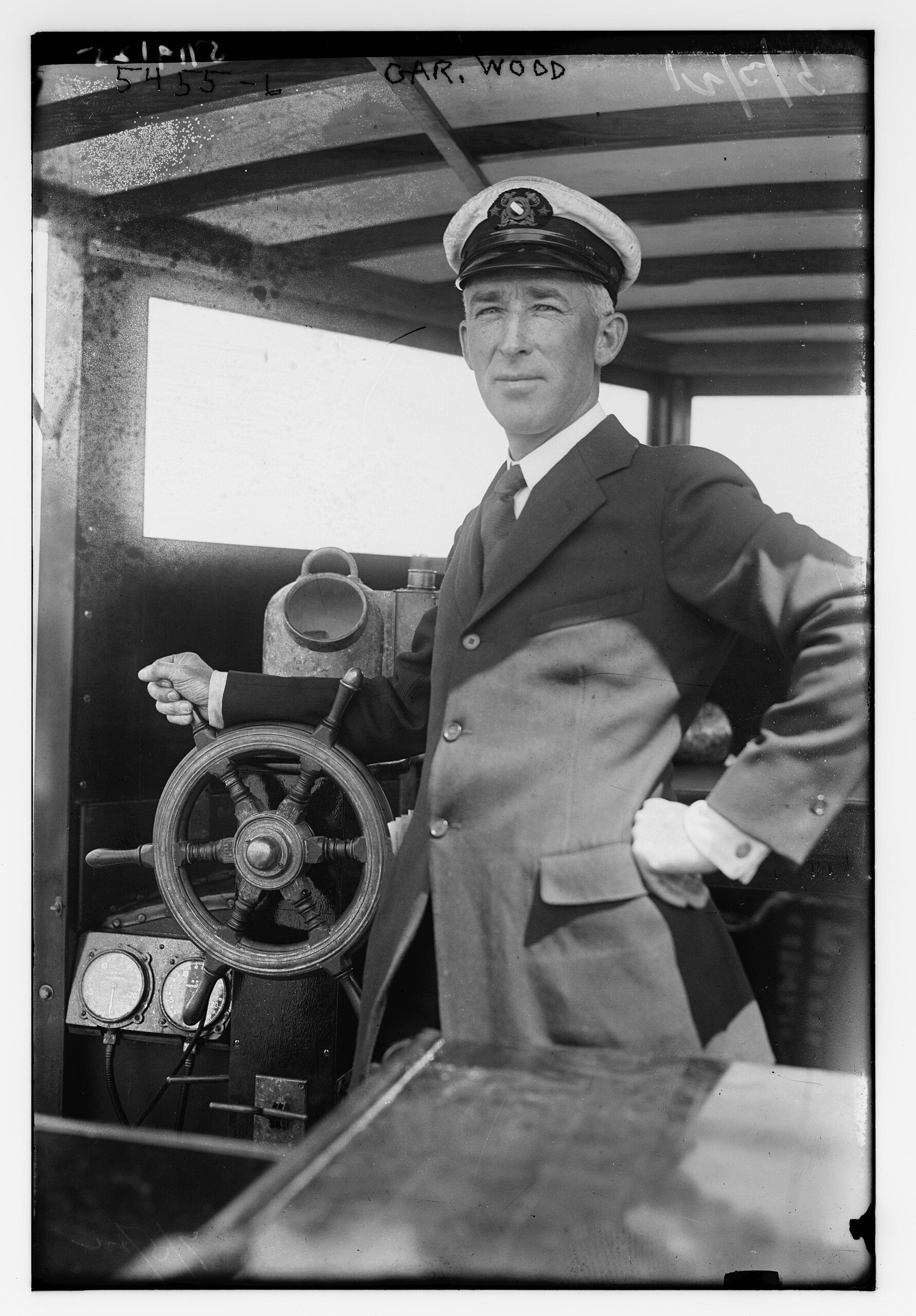
Gar Wood, the first man to travel over 100 mph on water, was born on December 4, 1880 in Mapleton, Iowa. At one time he held more U.S. patents than any other living American. Image via Wikimedia Commons, public domain in the U.S.
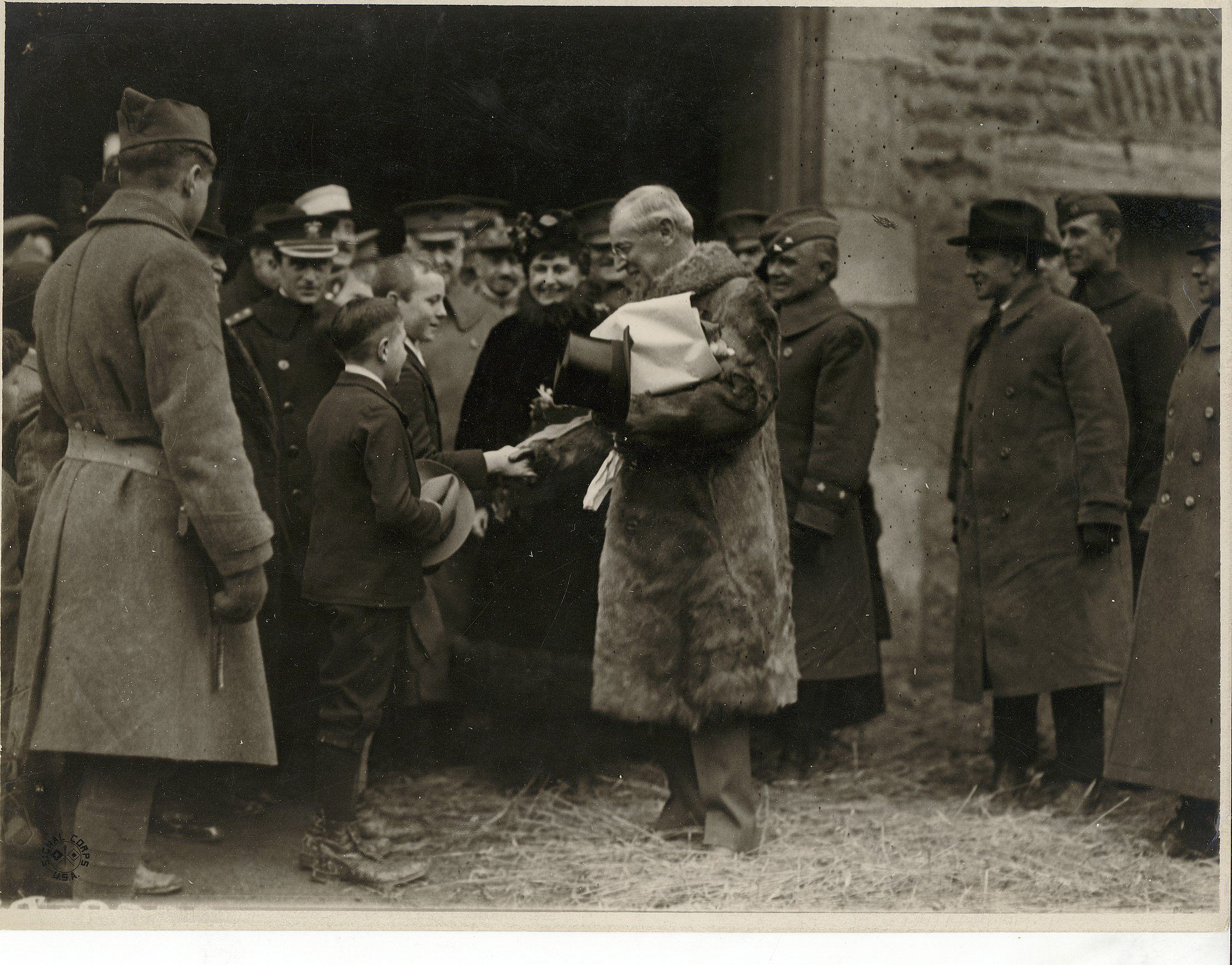
On December 4, 1918 Woodrow Wilson became the first U.S. President, while in office, to travel to Europe. President and Mrs. Wilson receiving flowers from the French Children in the town of Sarrey, France on Christmas Day in 1918. Image via Wikimedia Commons, no known restrictions
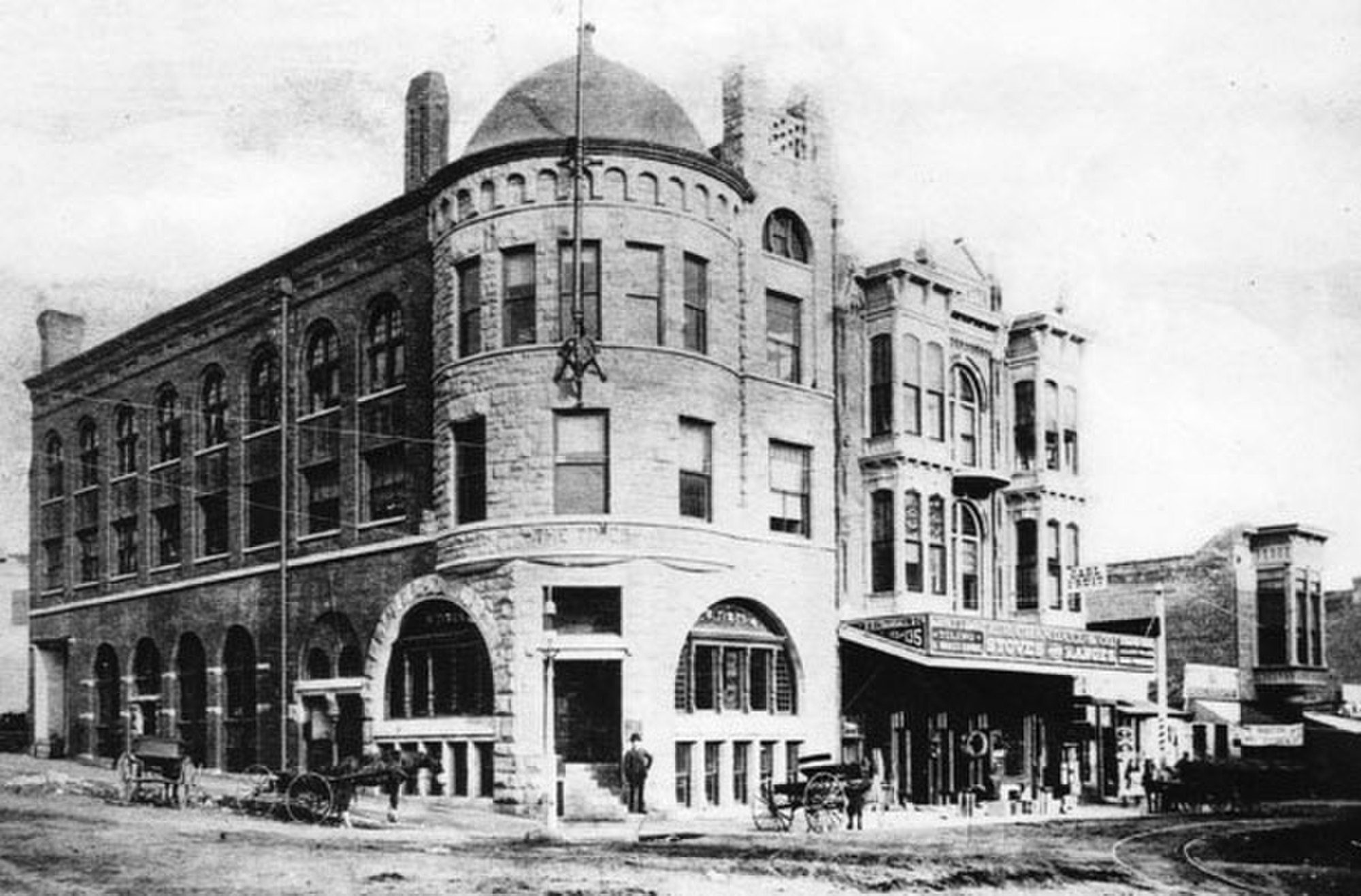
The first issue of the Los Angeles Daily Times was published on December 4, 1881. Image of the second LA Times building where operations for the newspaper were housed beginning in 1887.
Image via Wikimedia Commons, public domain
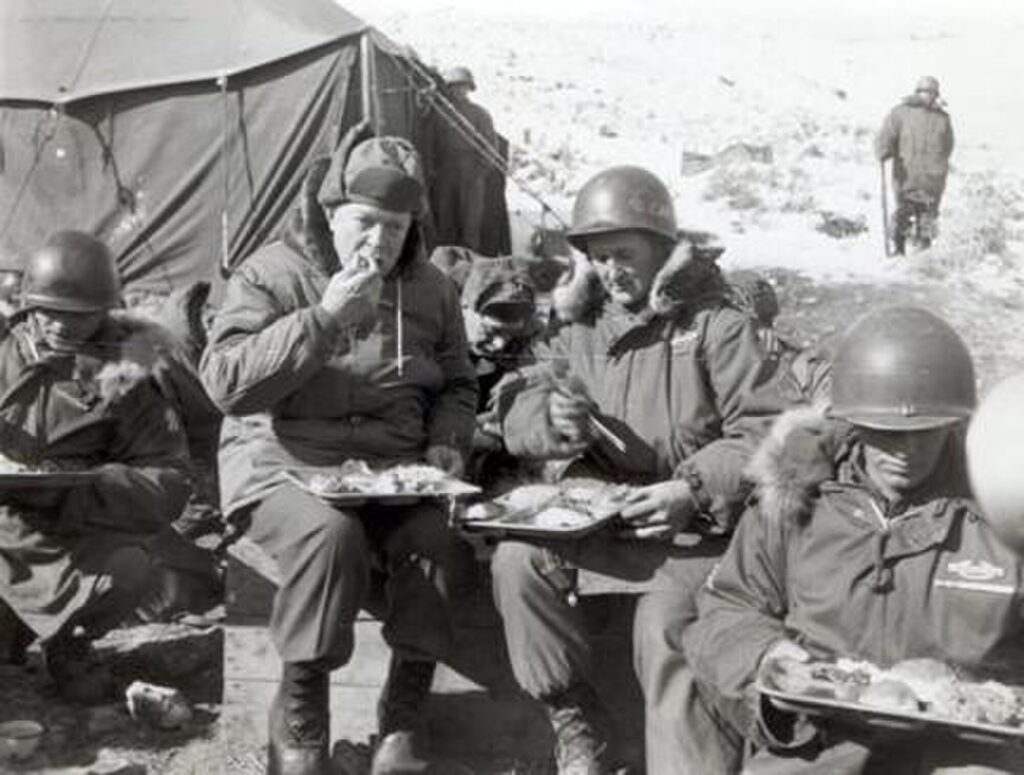
Dwight D. Eisenhower and Sgt. Virgil Hutcherson, Squad Leader, Co. “B”, 15th Infantry Regiment, 3rd US Infantry Division, eat dinner in Korea.
December 4, 1952
Image via Wikimedia Commons, public domain in the US.
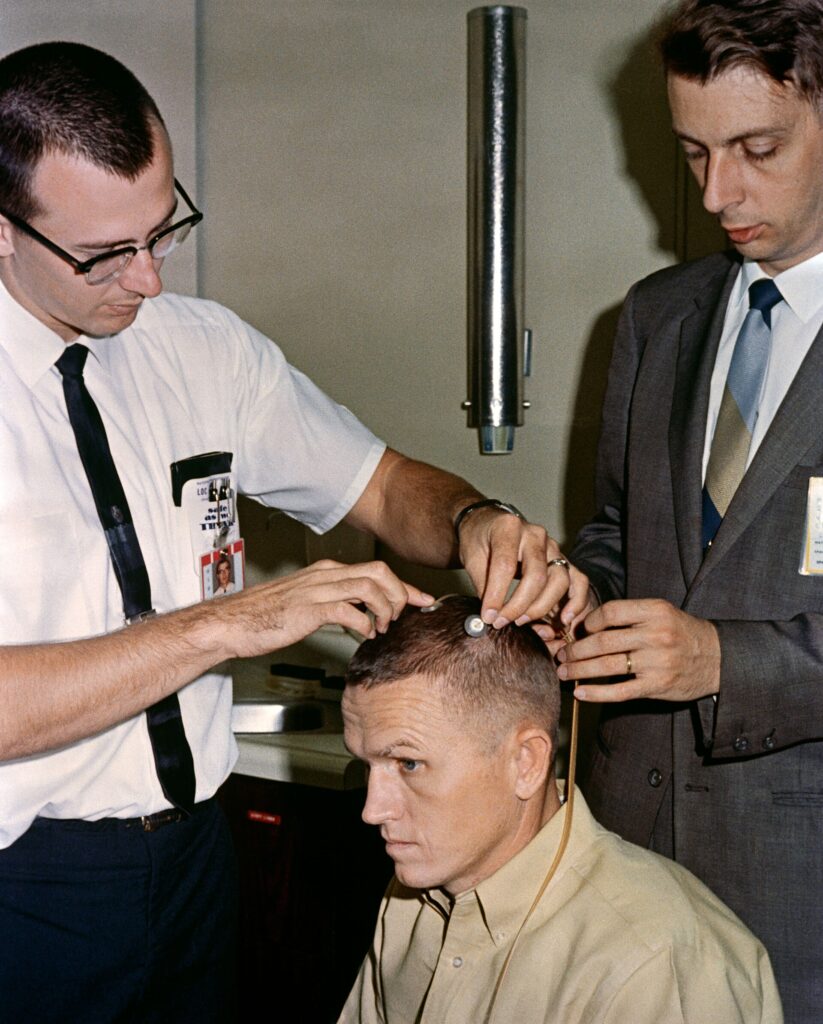
On December 4, 1965, Gemini 7 (a two-man crew) was launched into space from Cape Kennedy.
One of the goals of the mission was to observe the effects of weightlessness on the crew during its nearly 14 day duration.
Here is a photo of Astronaut Frank Borman sitting attentively as two scalp electrodes are attached to his head just a few days prior to the launch.
Image via Wikimedia Commons, public domain
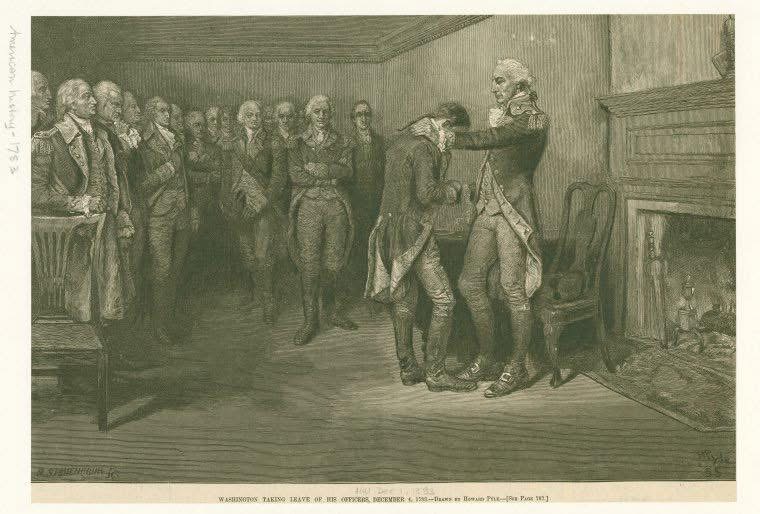
On December 4, 1783, one week after the last British soldiers left New York City, Manhattan’s Fraunces Tavern hosted a dinner for George Washington and his officers. After the feast General Washington bid a heartfelt farewell to each of his comrades, many of whom had served with him since the beginning of the American Revolution….
“In the course of a few days Washington prepared to depart for Annapolis, where Congress was assembling, with the intention of asking leave to resign his command. A barge was in waiting about noon on the 4th of December at Whitehall Ferry to convey him across the Hudson to Paulus Hook. The principal officers of the army assembled at Fraunces Tavern in the neighborhood of the ferry, to take a final leave of him. On entering the room, and finding himself surrounded by his old companions in arms, who had shared with him so many scenes of hardship, difficulty, and danger, his agitated feelings over came his usual self-command. Filling a glass of wine, and turning upon them his benignant but saddened countenance, “With a heart full of love and gratitude,” said he, “I now take leave of you, most devoutly wishing that your latter days may be as prosperous and happy as your former ones have been glorious and honorable.”
Having drunk this farewell benediction, he added with emotion, “I cannot come to each of you to take my leave, but shall be obliged if each of you will come and take me by the hand.”
General Knox, who was nearest, was the first to advance. Washington, affected even to tears, grasped his hand and gave him a brother’s embrace. In the same affectionate manner he took leave severally of the rest. Not a word was spoken. The deep feeling and manly tenderness of these veterans in the parting moment could find no utterance in words. Silent and solemn they followed their loved commander as he left the room, passed through a corps of light infantry, and proceeded on foot to Whitehall Ferry. Having entered the barge, he turned to them, took off his hat and waved a silent adieu. They replied in the same manner, and having watched the barge until the intervening point of the Battery shut it from sight, returned, still solemn and silent, to the place where they had assembled.”
From: Life of George Washington by Washington Irving
https://archive.org/details/lifegeorgewashington04irvirich/page/501
Source says not in copyright
Image: The Miriam and Ira D. Wallach Division of Art, Prints and Photographs: Picture Collection, The New York Public Library. “Washington taking leave of his officers, December 4, 1783.” New York Public Library Digital Collections.
No known restrictions
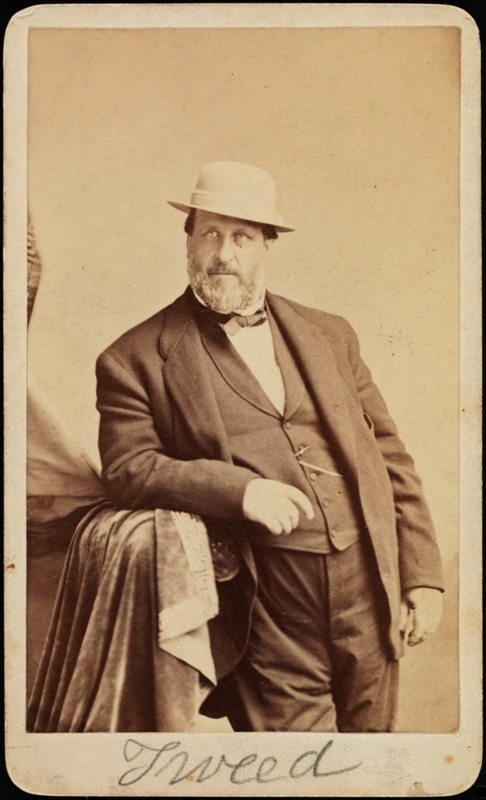
On December 4, 1875, during an approved home visit, convicted embezzler and former head of Tammany Hall, William “Boss” Tweed escaped Ludlow Street Jail, a federal prison in New York City. He fled to Cuba and onto Spain where he worked as a seaman.
He was captured by authorities near a year later, extradited and was returned to the U.S. Government.
Tweed was sent back to Ludlow Street Jail where he died of pneumonia in 1878.
Image via Wikimedia Commons, public domain in the U.S.
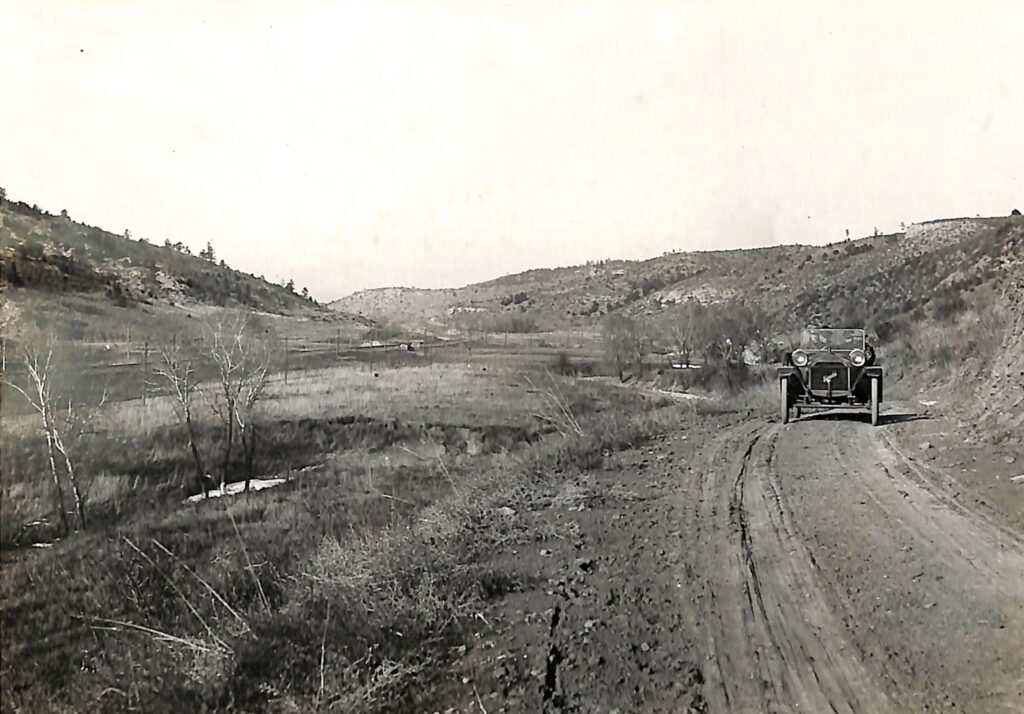
Raton Pass, Colorado — December 4, 1912
A lone automobile ascends the dirt road of Raton Pass, tracing the historic Mountain Branch of the Santa Fe Trail. Once traveled by wagons and traders, this rugged route now bears the imprint of early motor travel, as cars begin to replace horses on the high plains.
