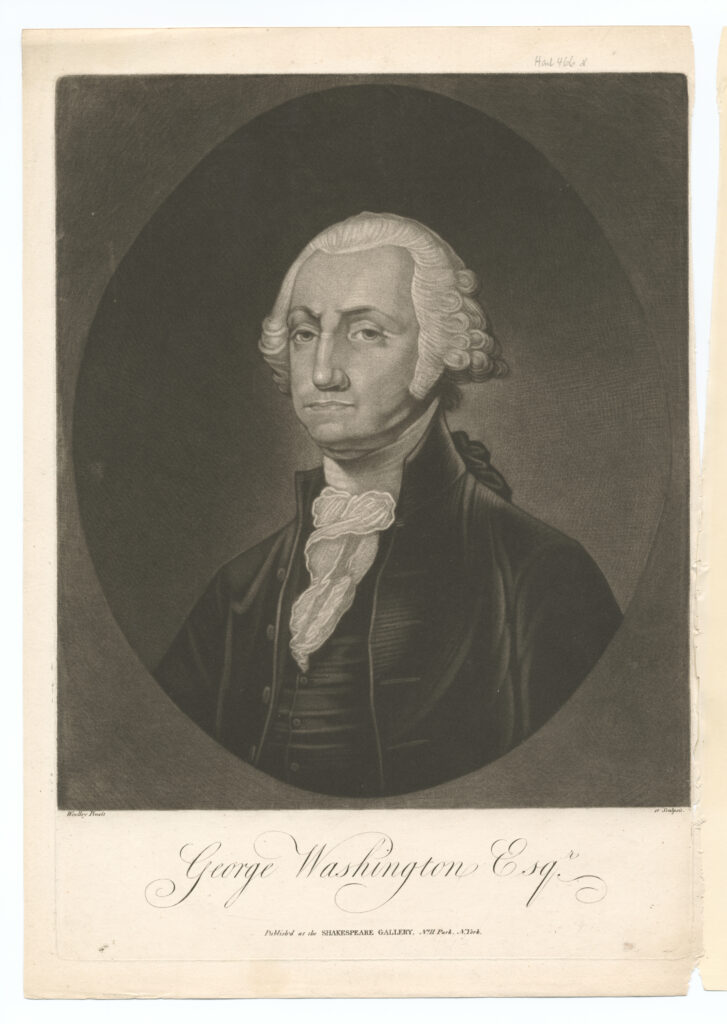
On December 5, 1792, the electors cast their ballots with unanimous clarity: every vote named George Washington. Privately worn down by the burdens of office and longing for retirement, Washington accepted reelection only out of obligation, convinced the fragile republic could not yet stand without him. The press reported his anticipated victory with respect but little jubilation, reflecting the nation’s relief rather than celebration. Yet beneath the surface, Washington’s reluctance signaled the divisions he most feared. John Adams was returned as vice president, but George Clinton drew notable support, evidence that partisan rivalries were already taking root. In this December moment, Washington’s reluctant agreement steadied the republic even as the storm clouds of factionalism gathered on the horizon.
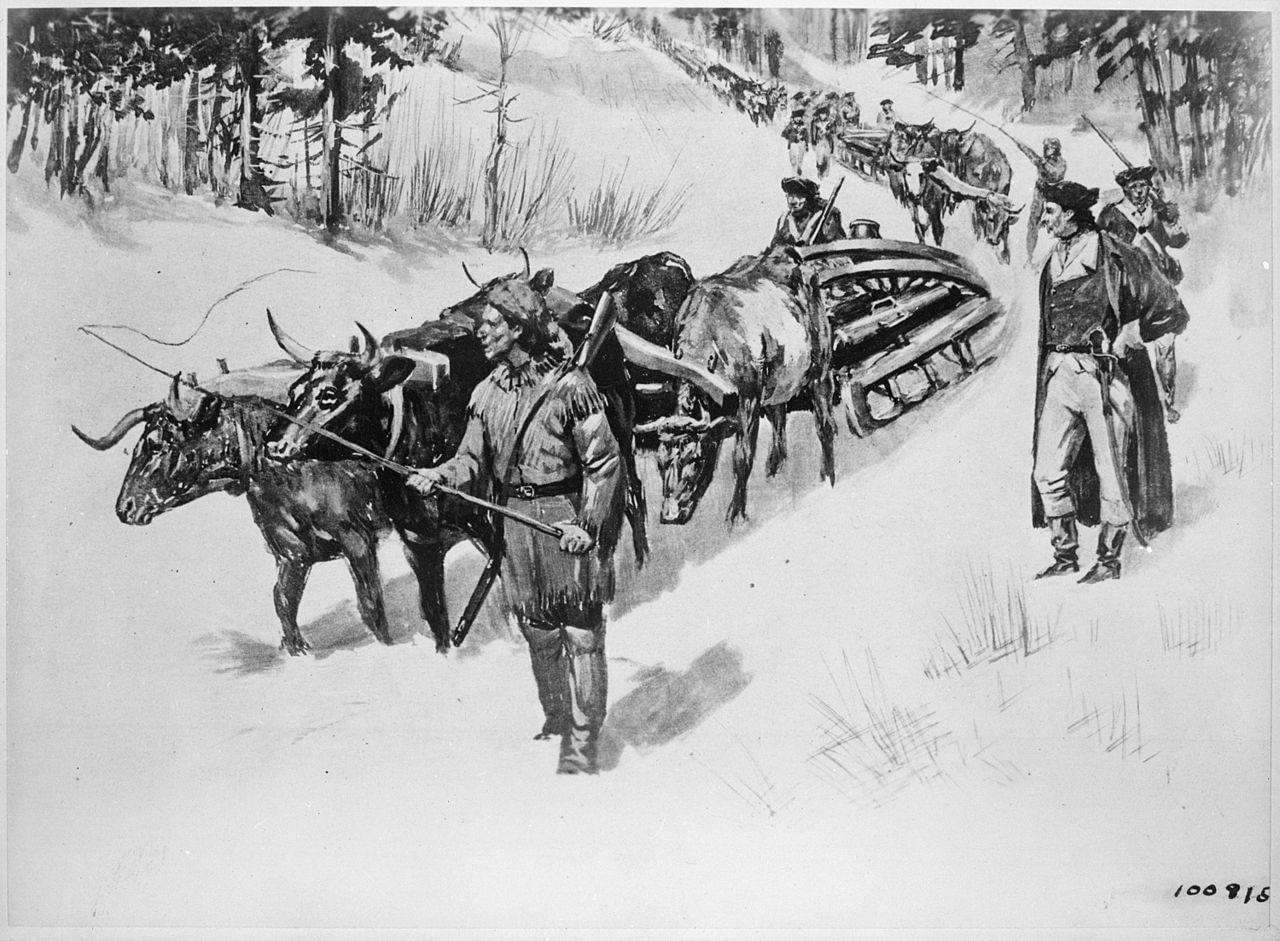
“The winter was severe, the roads unbroken, and the snows deep. Oxen in large numbers were necessary for the hauling of the cannon and these animals were secured at considerable trouble in the thinly inhabited regions through which Knox traveled. He reached Ticonderoga on the 5th of December, and, at once collecting the coveted ordnance, began his homeward journey. His inventory of the arms shows that he took away eight brass mortars, six iron mortars, one howitzer, thirteen brass cannon, thirty iron cannon, a barrel of flints, and a quantity of lead. The heaviest of the artillery were brass 18- and 24-pounders, and iron 12- and 18- pounders; truly a noble acquisition for the expectant besiegers of Boston. A letter from Knox to Washington, dated at Fort George, December 17th, gives us a vivid picture of some of the difficulties encountered on the homeward trip. He says: “I returned to this place on the 15th, and brought with me the cannon, it being nearly the time I computed it would take us to transport them here. It is not easy to conceive the difficulties we have had in transporting them across the lake, owing to the advanced season of the year and contrary winds; but the danger is now past. Three days ago it was very uncertain whether we should have gotten them until next spring, but now, please God, they must go. I have had made 42 exceeding strong sleds, and have provided 80 yoke of oxen to drag them as far as Springfield, where I shall get fresh cattle to carry them to camp. The route will be from here to Kinderhook [New York], from thence to Great Barrington [Mass.], and down to Springfield. I have sent for the sleds and teams to come here, and expect to move them to Saratoga on Wednesday or Thursday next, trusting that between this and then we shall have a fine fall of snow, which will enable us to proceed farther, and make the carriage easy. If that shall be the case, I hope in sixteen or seventeen days time to be able to present to your Excellency a noble train of artillery.” One of the difficulties encountered on the way to Albany from Fort Ticonderoga was the necessity of ferrying the heavy cannon across pieces of open water. This was accomplished by means of “gondolas,” as the flat-bottomed scows then in use were called. The modern “gundalow” of the New England coast is the scow that has derived its name from the sweep-propelled craft of Venice. Knox’s hindrances are further hinted at in a letter which he wrote to Washington from Albany, January 5, 1776, as follows: “I was in hopes that we should have been able to have the cannon at Cambridge by this time. The want of snow detained us for some days, and now a cruel thaw hinders from crossing the Hudson River, which we are obliged to do four times from Lake George to this town. The first severe night will make the ice sufficiently strong; till that happens, the cannon and mortars must remain where they are. These inevitable delays pain me exceedingly, as my mind is fully sensible of the importance of the greatest expedition in this case.” The route of this novel expedition, it will be seen, lay over the Green Mountains and the wild passes of that range and down through the hill country of New England, by “roads that never bore a cannon before and have never borne one since.” On his way up to Ticonderoga from Albany, Knox passed a stormy night sleeping on the floor of a rude log-cabin which served as a wayside inn for chance travelers through that sparsely populated region. His bedfellow was Lieut. John Andre, who had been taken prisoner by Gen. Richard Montgomery at St. Johns, and was now on his way to Lancaster, Pennsylvania, to await an exchange.” From: Henry Knox, a soldier of the Revolution; major-general in the Continental Army, Washington’s chief of artillery, first secretary of war under the Constitution, founder of the Society of the Cincinnati; 1750-1806 by Noah Brooks, published in 1900 https://archive.org/details/henryknoxsoldier00broorich/page/39/mode/1up Source says not in copyright
Image: Hauling guns by ox teams from Fort Ticonderoga for the siege of Boston, 1775 via Wikimedia Commons, public domain
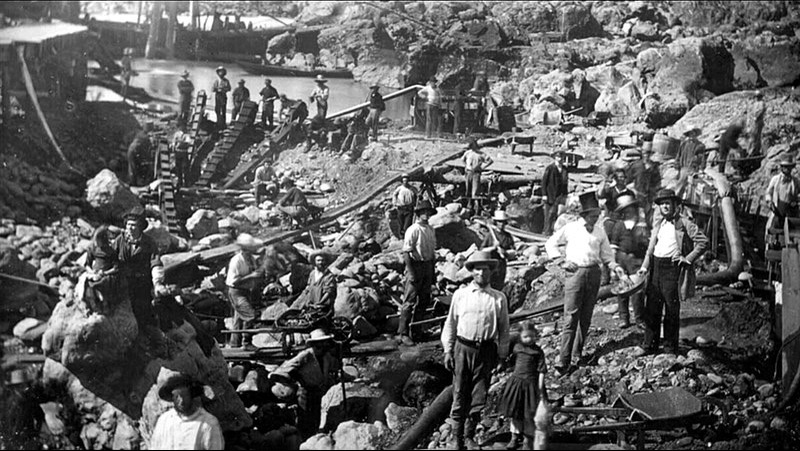
On December 5, 1848, during his address to Congress President Polk confirmed that gold had been found in California. The next year saw a gold rush that transformed California in many ways. The first ‘49ers panned for gold but by the early 1850s extensive mining, as shown here on the American River was in full operation.
Image via Wikimedia Commons, public domain in the US.
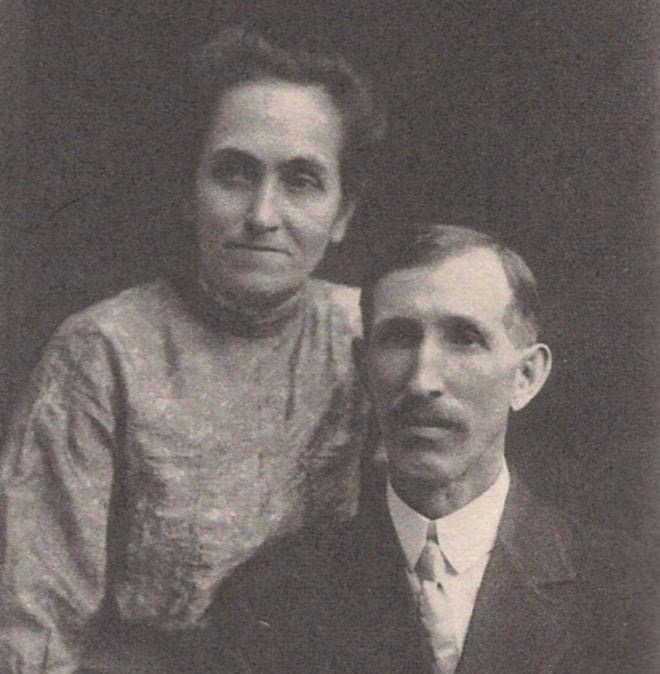
On December 5, 1901, Elias and Flora welcomed their newborn son, Walter Elias Disney into the world.
Image: Elias & Flora Disney, parents of Walt Disney in 1913 via Wikimedia Commons, public domain
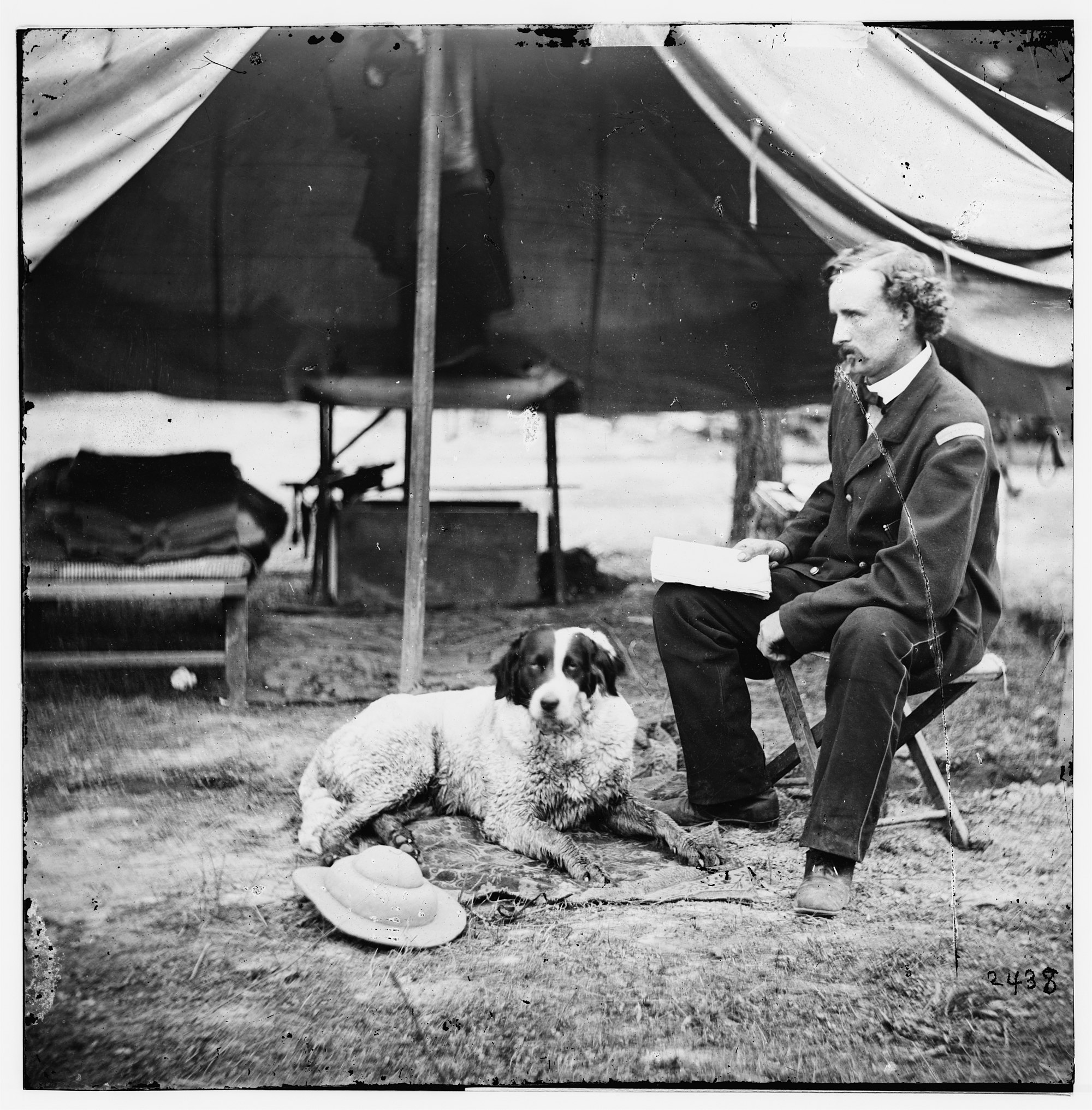
Born December 5, 1839, George Custer graduated from West Point in 1861 and was promoted to brigadier general almost exactly two years later. Custer served with distinction from Bull Run to Appomattox during the Civil War. He then served throughout the west until killed in action in Montana in 1876.
Image The Peninsula, Va. Lt. George A. Custer with dog from LOC via Wikimedia Commons, public domain
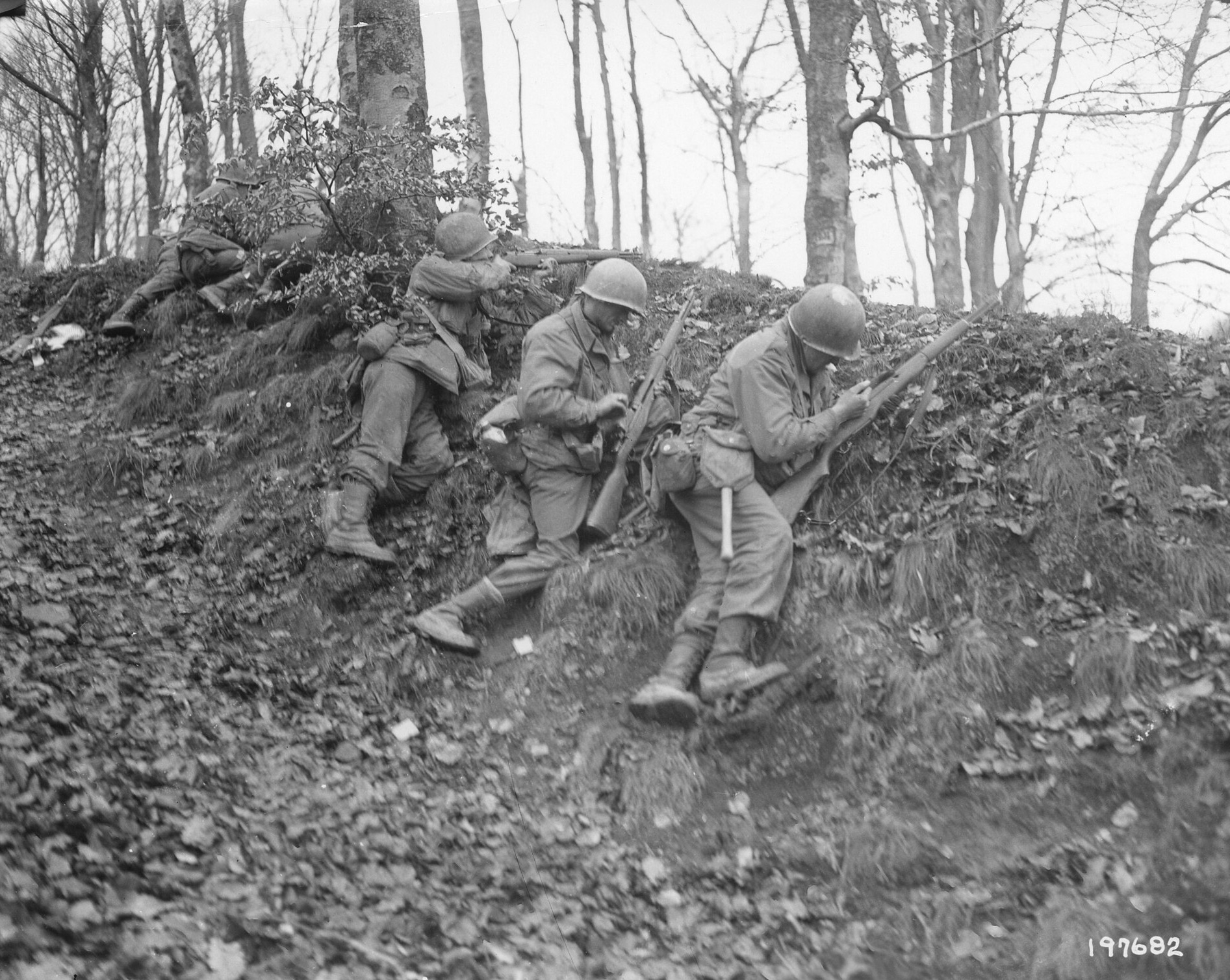
An American infantryman keeps firing while two of his comrades insert fresh ammunition in their rifles, as steady fire from this sheltered infantry covers advance near Rosteig, France. December 5, 1944.
Image via Wikimedia Commons, public domain
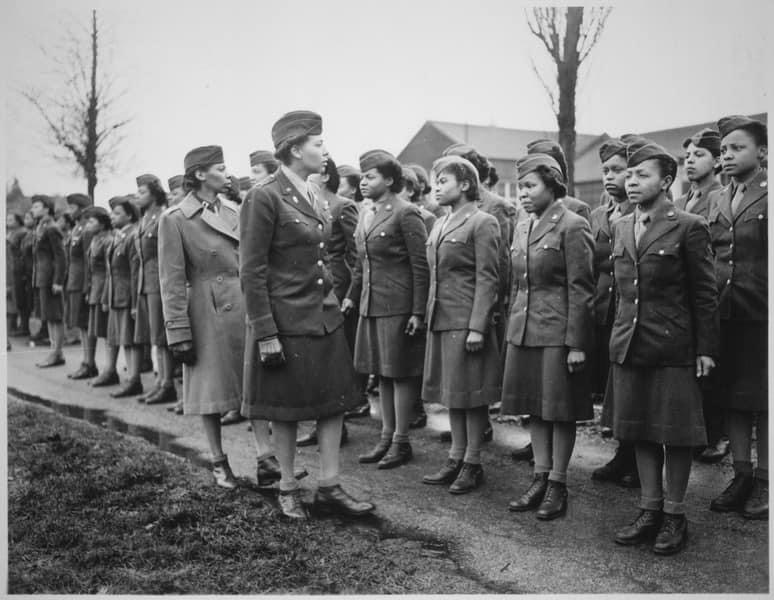
Major Charity Adams Earley was born on December 5, 1918. Maj. Earley commanded the 6888th Central Postal Directory Battalion, a unit charged with efficiently handling mail for the 2 million G.I.’s assigned to Europe in WW2. The 6888th’s motto was “No Mail, Low Morale.”
Image via Wikimedia Commons via the U.S. Dept. of Defense, public domain
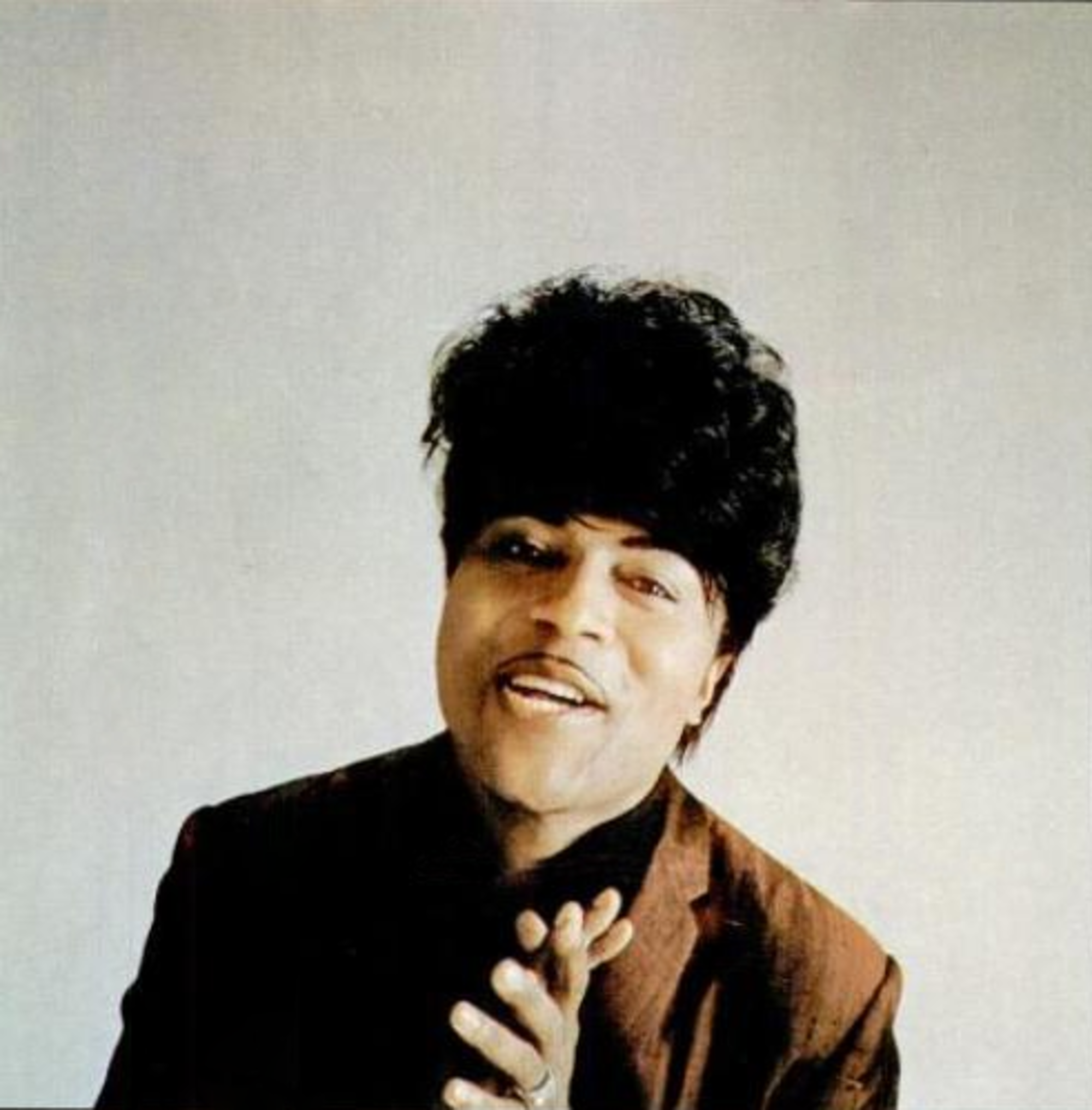
Richard Wayne Penniman, known as “Little Richard” was born on December 5, 1932 in Macon, Georgia.
Image of Little Richard in 1966 via Wikimedia Commons, public domain
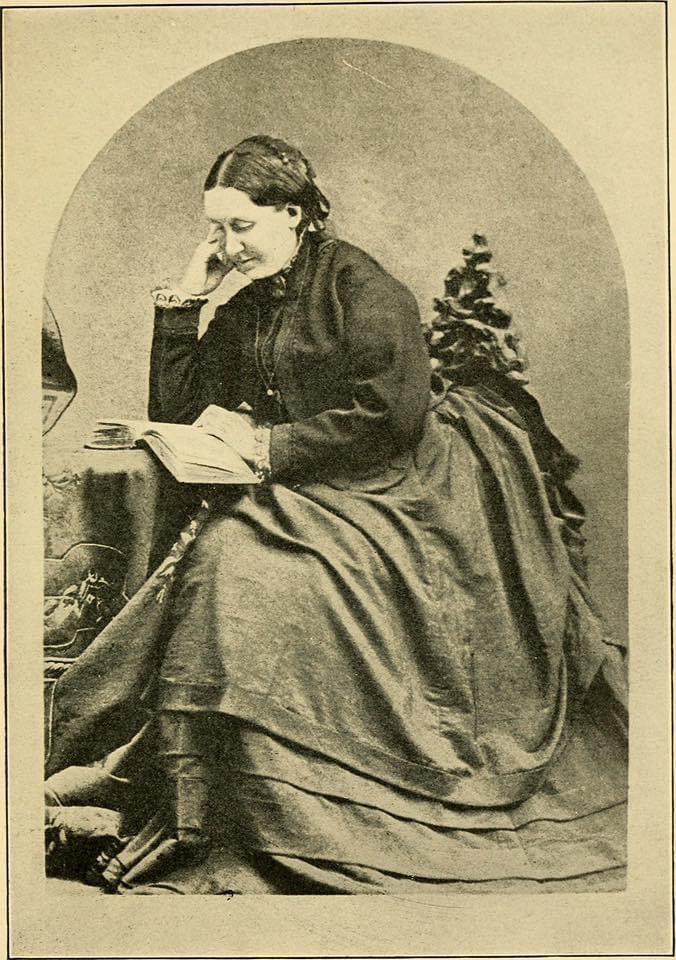
On December 5, 1822 American author, natural historian and co-founder of Radcliffe College, Elizabeth C. Agassiz, was born in Boston, Massachusetts. In a letter written on December 5, 1901 she said “My birthday-seventy-nine. Flowers and love from every side. I should be and am very grateful.”
Image via Wikimedia Commons, no known restrictions
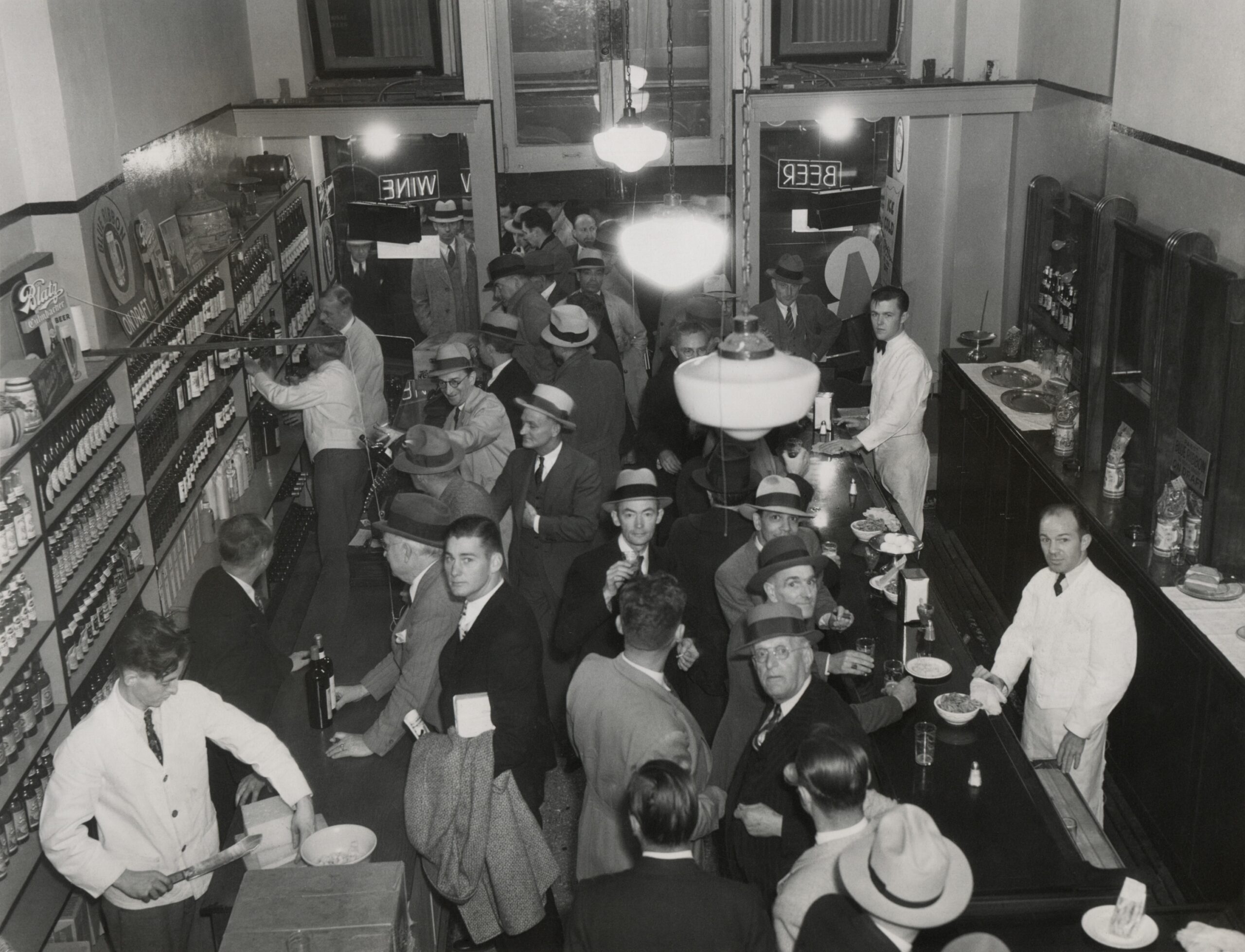
On December 5, 1933, the 21st Amendment was ratified, ending the prohibition of alcohol in the U.S. It’s the only amendment to repeal a previous amendment.
Image of customers in a Los Angeles liquor store purchasing and drinking alcohol the day after December 5, 1933 via Shutterstock
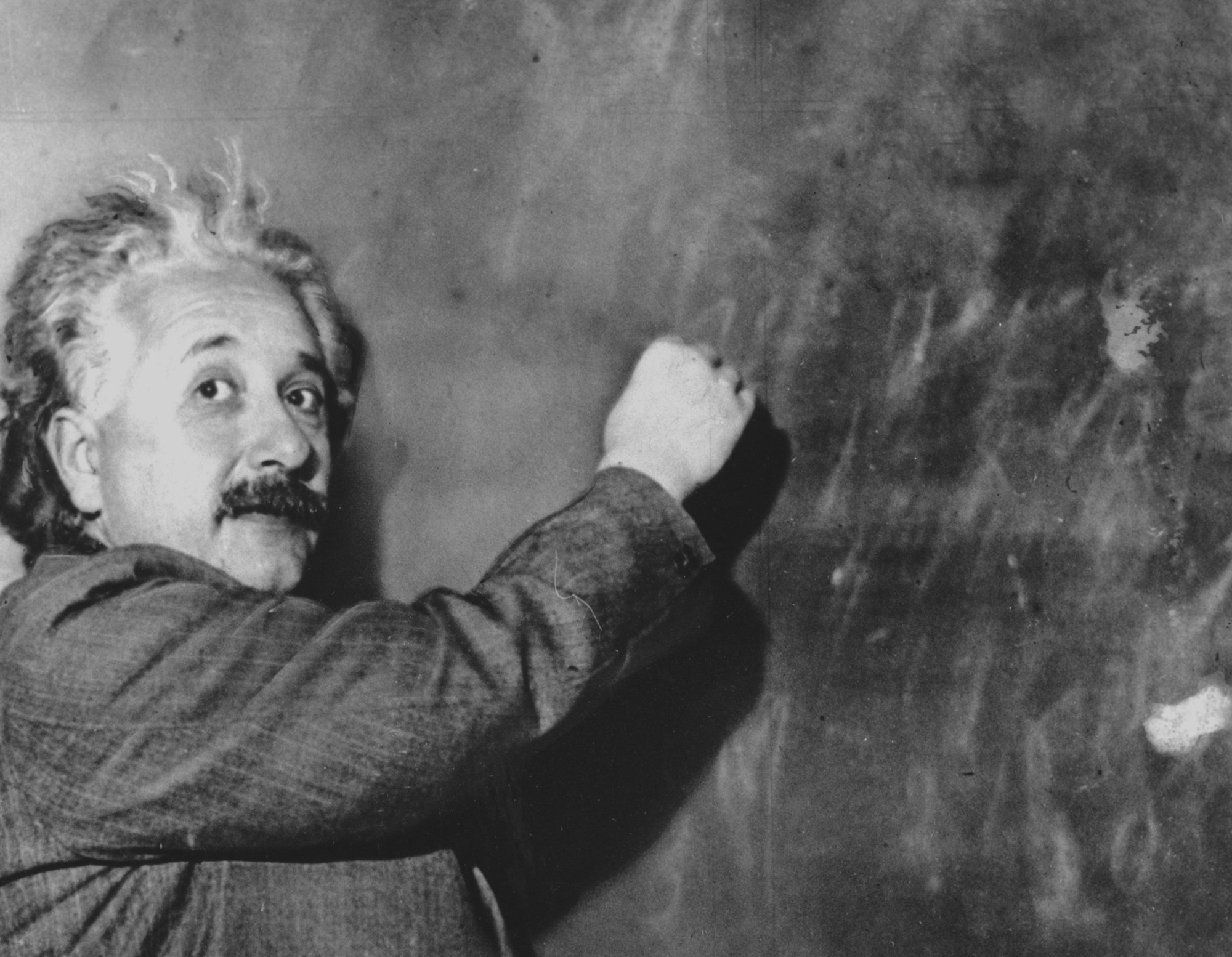
On December 5, 1932, Albert Einstein received an American Visa. Eight years later, Albert became an American citizen.
Image of Einstein in the early 1930s via Wikimedia Commons, public domain
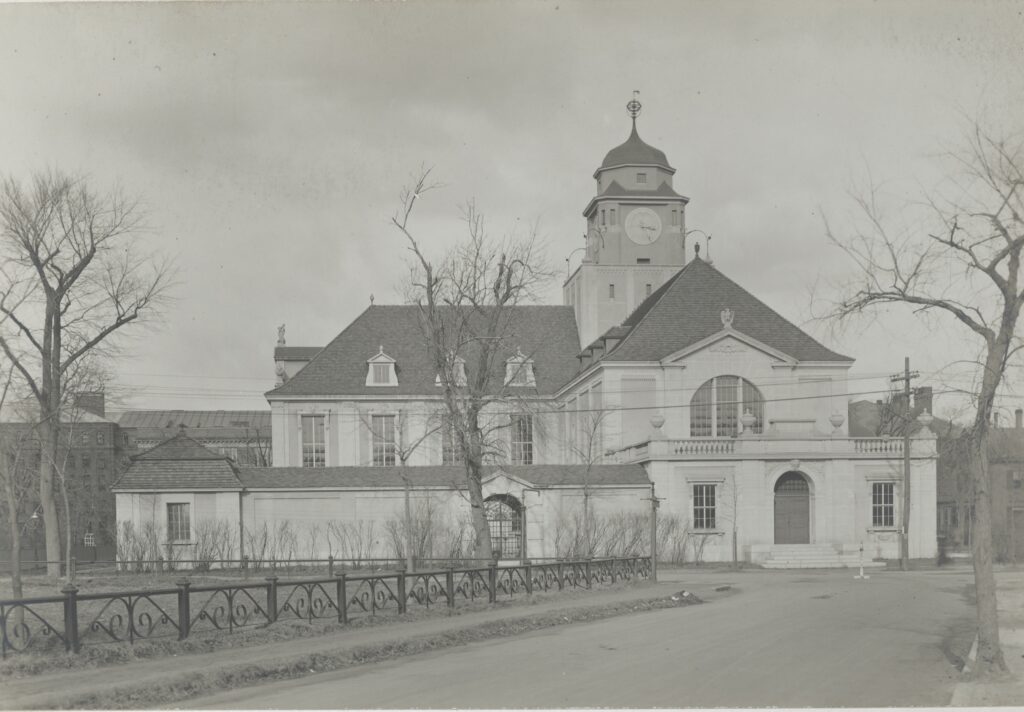
Photographed on December 5, 1918, Harvard’s Germanic Museum stood complete but unopened. Built to celebrate German art and scholarship, its new home—Adolphus Busch Hall—was locked in wartime silence. Branded an ‘enemy activity’ during World War I, the museum’s closure reflected a nation’s suspicion of its own cultural ties. In this almost winter moment, the building became a monument not to art, but to the uneasy line between heritage and hostility. It remained closed until 1921.
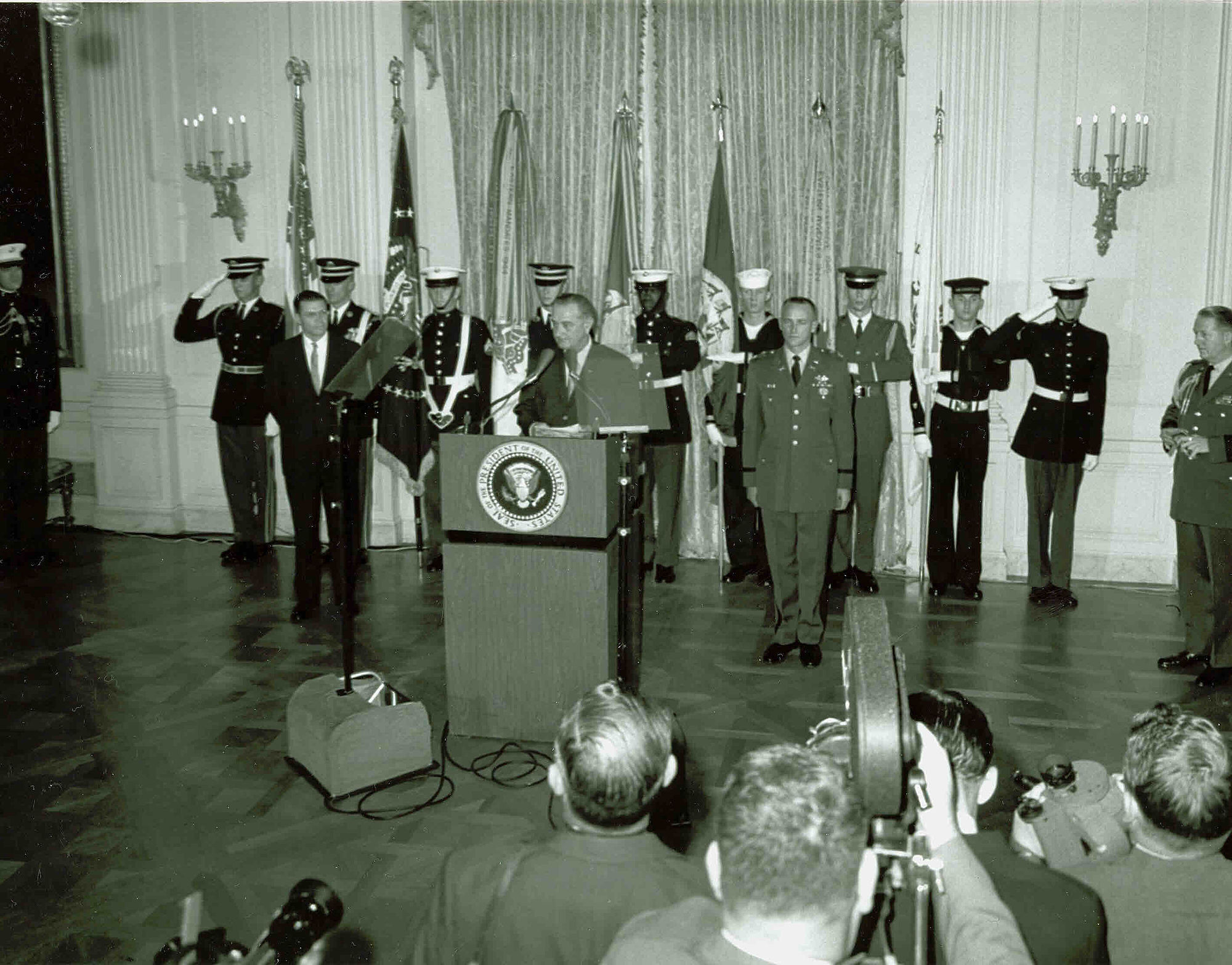
On December 5, 1964, President Lyndon B. Johnson presented the first Medal of Honor of the Vietnam War to Captain Roger Donlon (standing right, at attention) at the White House.
Image via Wikimedia Commons, public domain
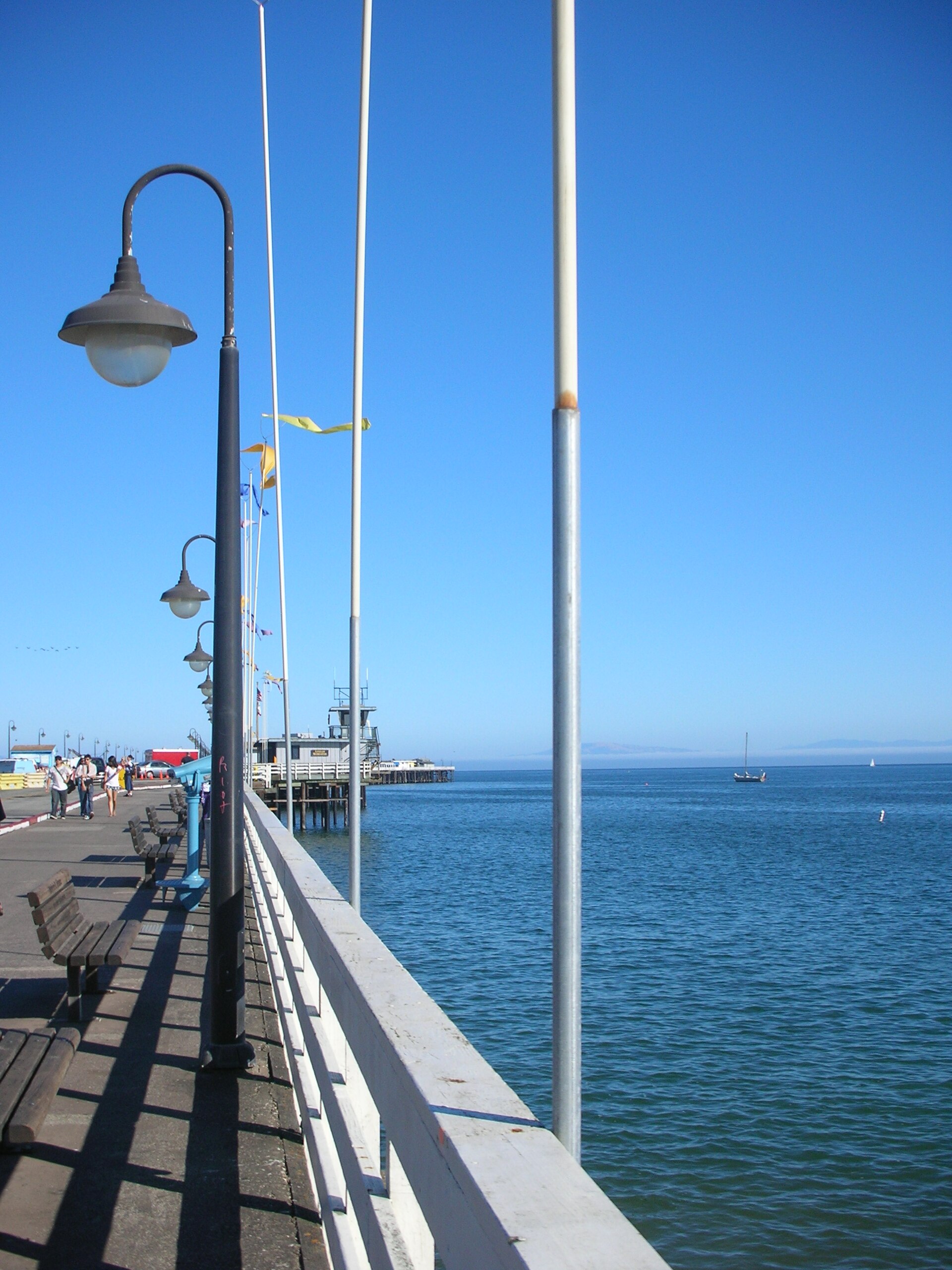
The longest pier on the West Coast of the U.S., Santa Cruz Wharf in California, was opened on December 5, 1914.
Image from Artico2 – CC BY-SA 3.0 via Wikimedia Commons
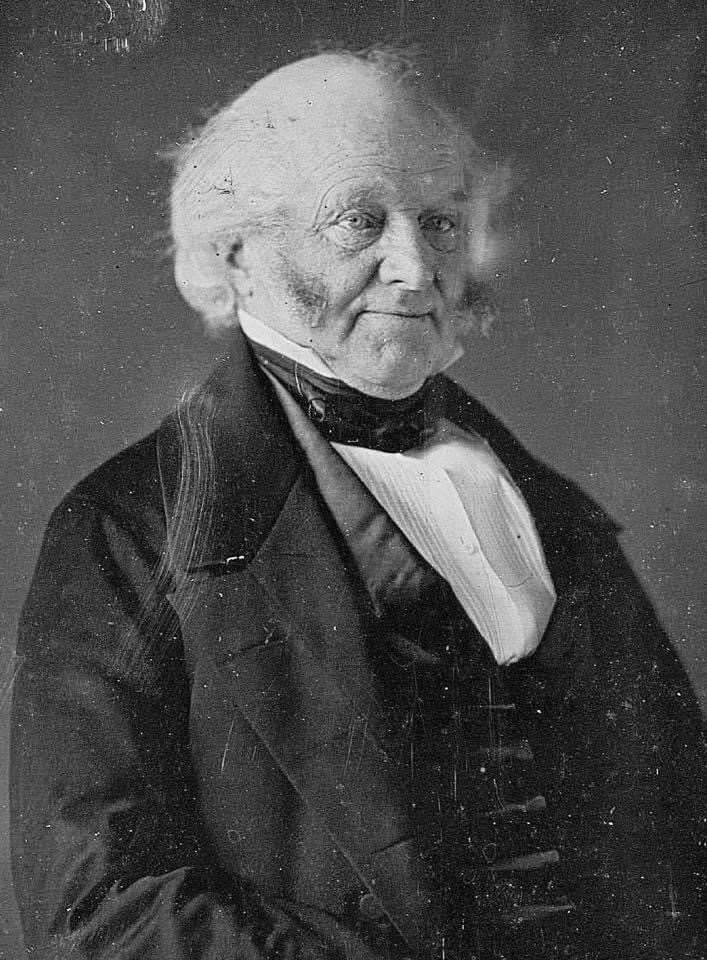
A daguerreotype of Martin Van Buren taken around 1849. 8th President of the United States, Martin Van Buren was born on December 5, 1782 in Kinderhook, NY. He was the first U.S. President who was born an American Citizen.
Image by Mathew Brady via Wikimedia Commons, public domain
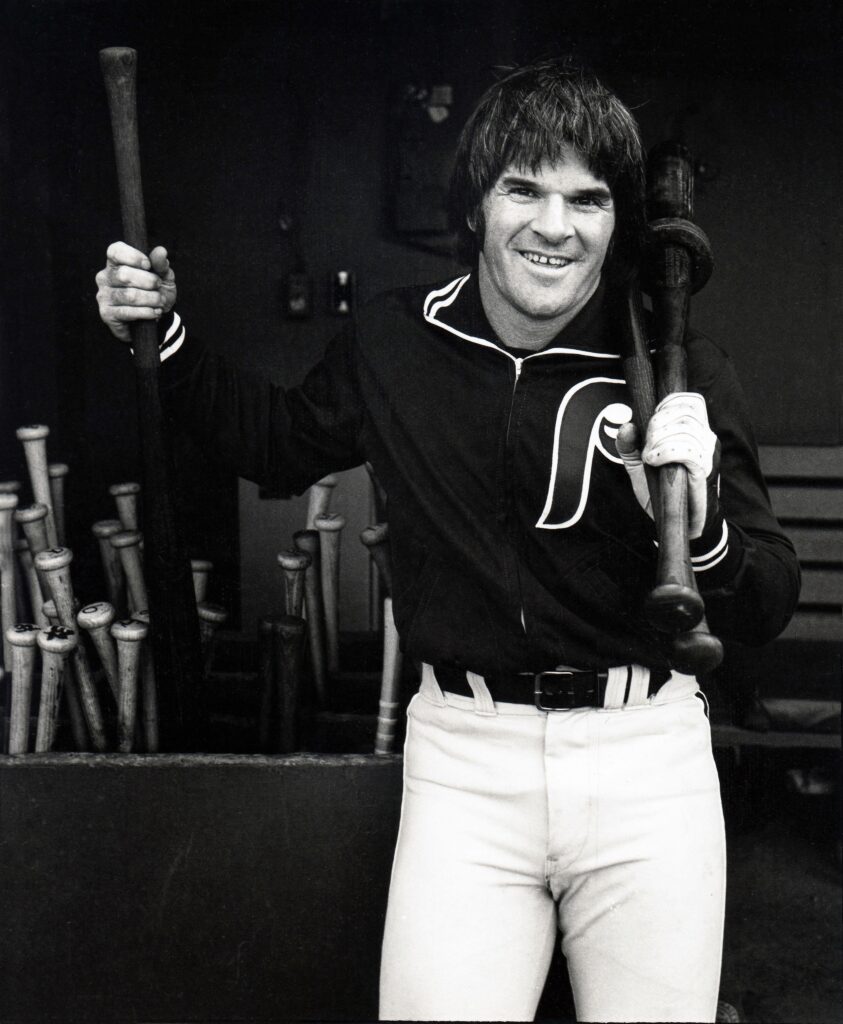
On December 5, 1978, Pete Rose signed with the Philadelphia Phillies, becoming the highest-paid athlete in team sports with a record-setting $3.2 million contract. In this photo, he grins among bats, already embodying the grit that earned him the name ‘Charlie Hustle.’ The Phillies’ initial offer had been the lowest, but they raised it to the highest—and Rose saw more than dollars. He saw a hungry team on the verge of history. Within two years, his fire helped ignite the Phillies’ first World Series championship. As teammate Mike Schmidt later reflected: ‘I’m not sure I was totally consumed by baseball until I met Pete.’
Image via Alamy
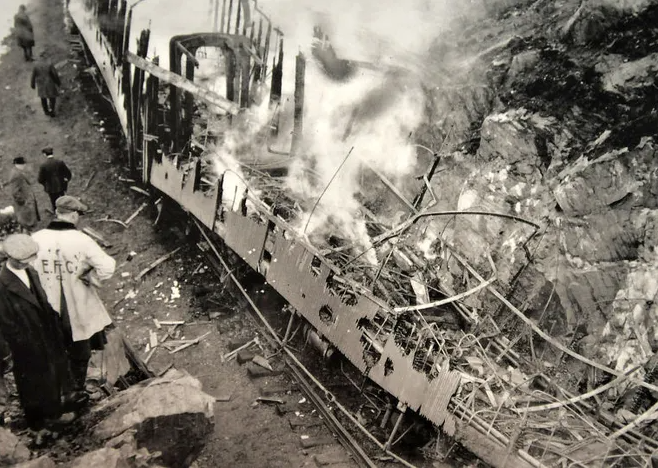
December 5, 1921: A day of contrasts in railroad history. In Pennsylvania, a head-on collision at Bryn Athyn claimed 27 lives, a somber reminder of the cost of human error (above).
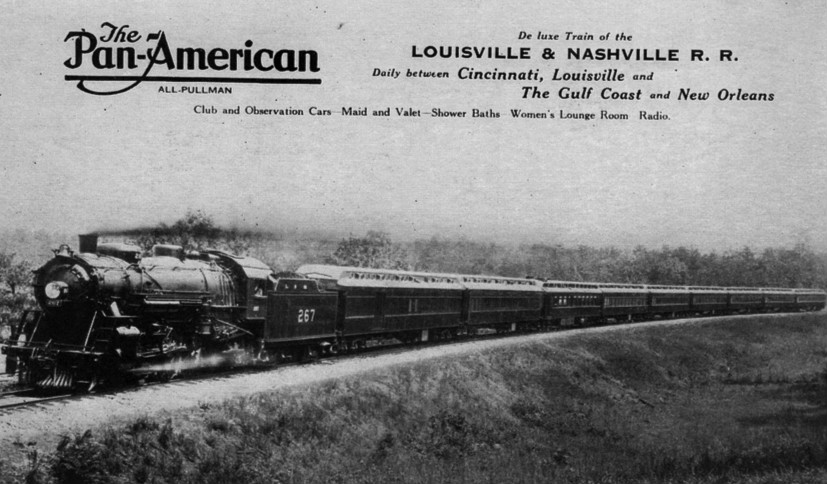
That same day, the Louisville & Nashville launched the Pan-American, a sleek passenger train linking Cincinnati to New Orleans (below). One story of tragedy, another of triumph—railroads carried both the weight of loss and the promise of connection.