
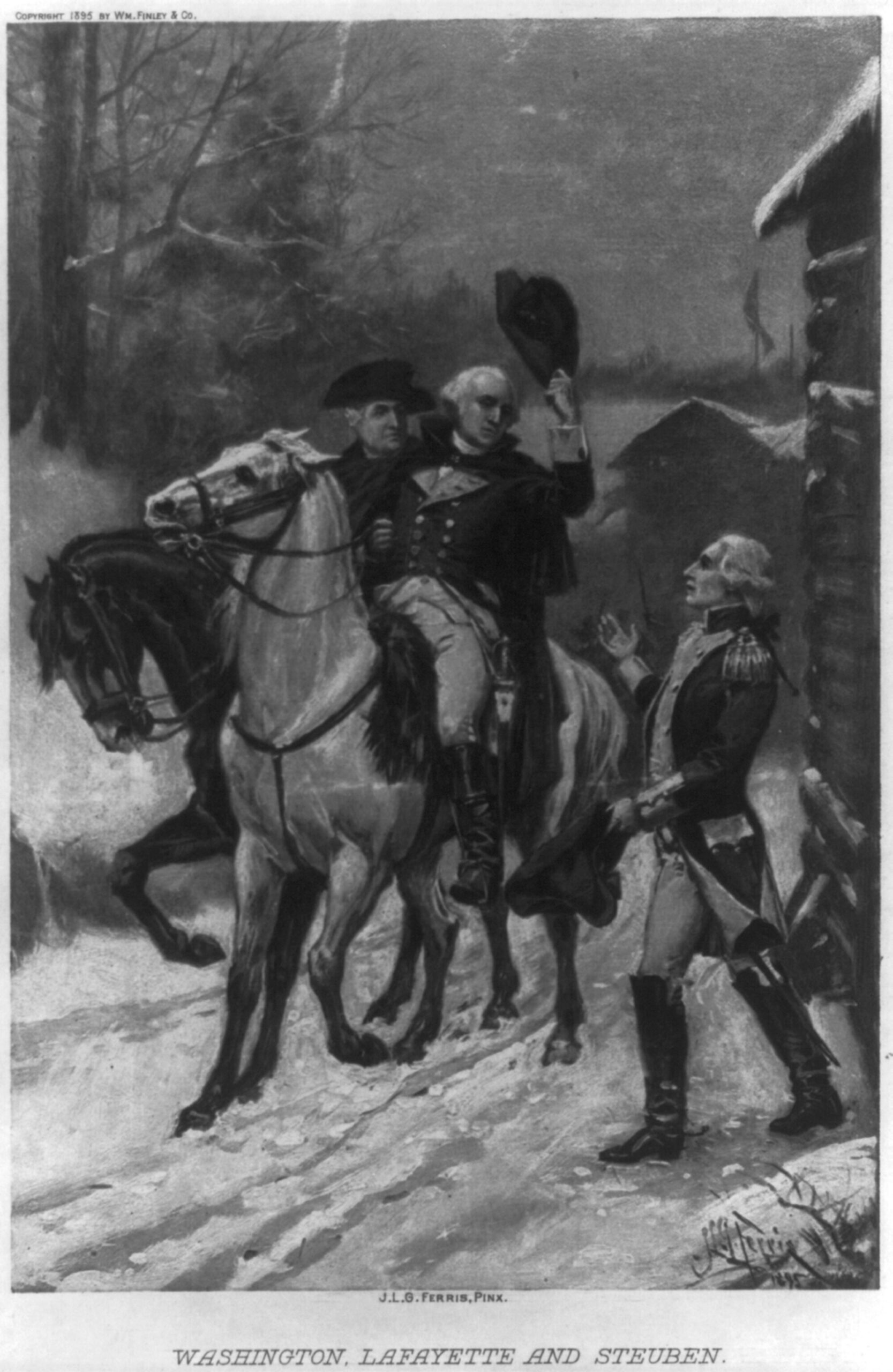
On December 6, 1777, Friedrich Wilhelm von Steuben wrote a letter to George Washington that said:
“the object of my greatest ambition is to render your country all the services in my power, and to deserve the title of a Citizen of America by fighting for the cause of your liberty.”
Image of Washington, Lafayette and Steuben via Wikimedia Commons, public domain
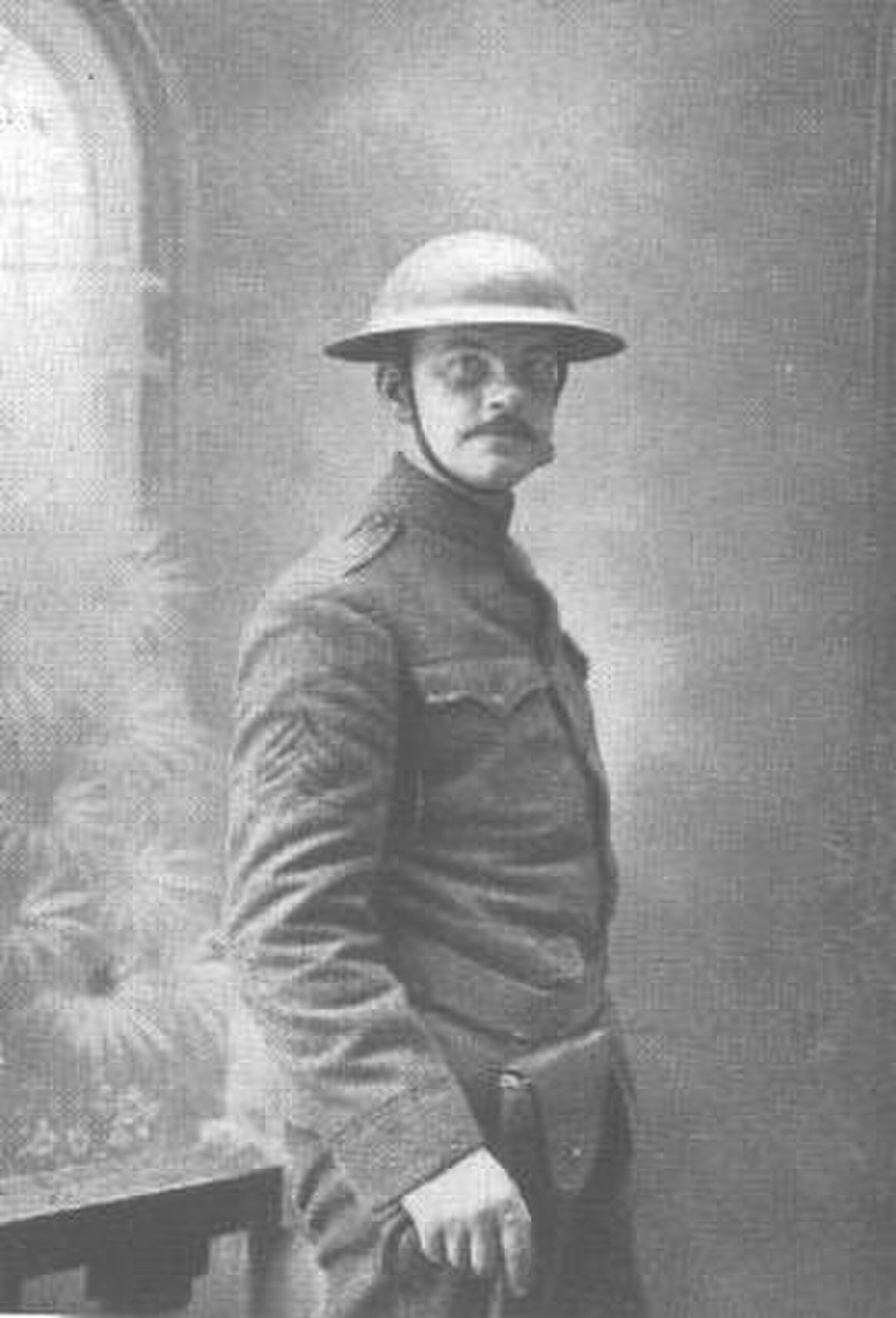
American journalist and soldier Joyce Kilmer was born on today’s date December 6, 1886 in New Brunswick, New Jersey.
After graduating from Columbia University in 1908 he would become a writer for the New York Times in 1912. Five years later (married with children) he enlisted with the New York National Guard and fought in WWI.
Tragically he was killed by an enemy sniper in the fields of France in 1918. Kilmer was only 31 years old. Before he died he wrote this poem titled:
KINGS
The Kings of the earth are men of might,
And cities are burned for their delight,
And the skies rain death in the silent night,
And the hills belch death all day!
But the King of Heaven, Who made them all,
Is fair and gentle, and very small;
He lies in the straw, by the oxen’s stall—
Let them think of Him to-day!
by Joyce Kilmer
Image via Wikimedia Commons, public domain
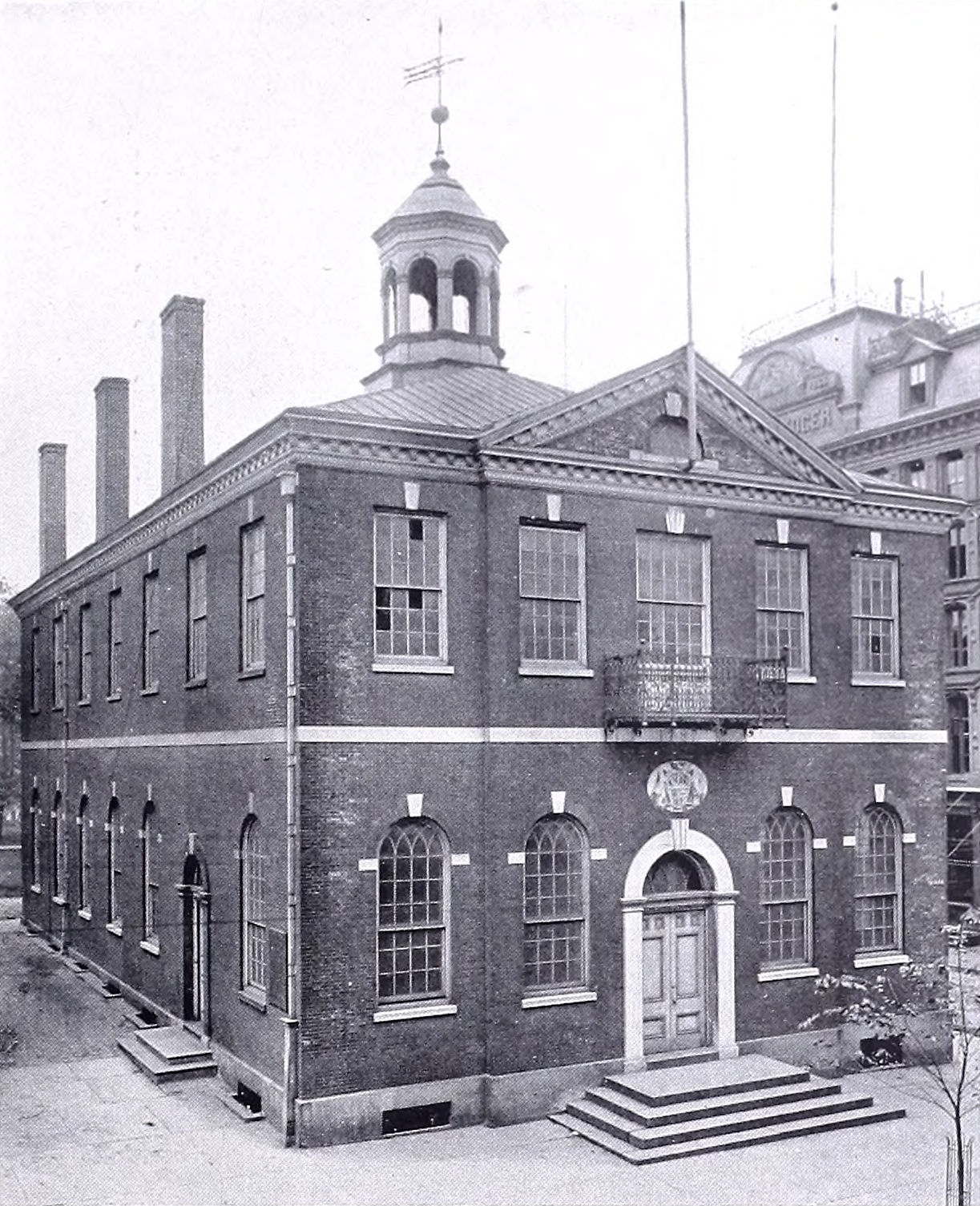
A view of Congress Hall in Philadelphia
On December 6, 1790, the U.S. Capital was moved from New York to Philadelphia. Congress Hall served as the capitol building for almost 10 years.
Image c. 1904 via Wikimedia Commons, public domain in the US.
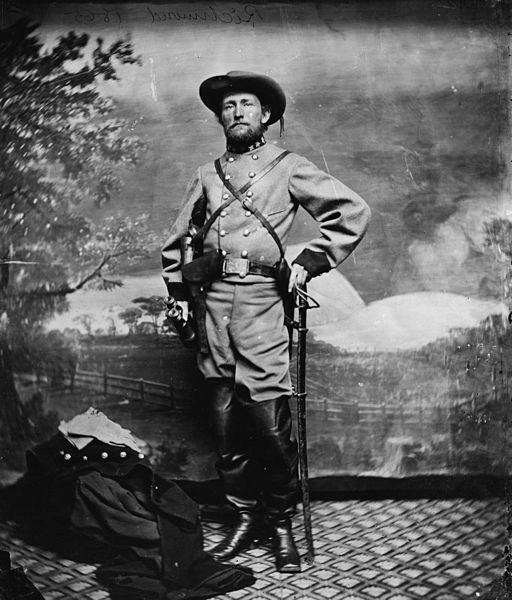
Born December 6, 1833 attorney John S. Mosby laid aside his law books for a saber, leading a mounted partisan ranger unit for the Confederacy. Dubbed the “Gray Ghost”, Mosby and Ulysses Grant developed a relationship of mutual respect after the Civil War, resulting in Mosby being named US Consul to Hong Kong in 1878.
Image from LOC via Wikimedia Commons, public domain in the US. {PD-US}

On December 6, 1847, Abraham Lincoln of Illinois took his seat in the thirtieth Congress.
Image: Abraham Lincoln in 1846 or 1847 by Nicholas H. Shepherd via Wikimedia Commons, public domain
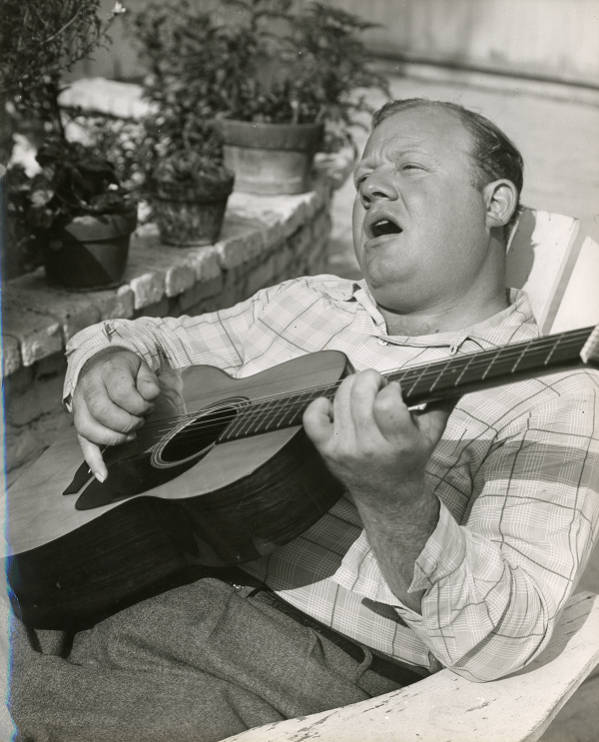
On December 6, 1945, Burl Ives married a script writer named Helen Ehrlich.
Photo: Burl Ives strums his guitar while lounging in 1946 via Wikimedia Commons, public domain

Rudolph the Red-Nosed Reindeer, thestop motion animated TV special, aired for the first time on December 6, 1964.
Photo via Wikimedia Commons, public domain
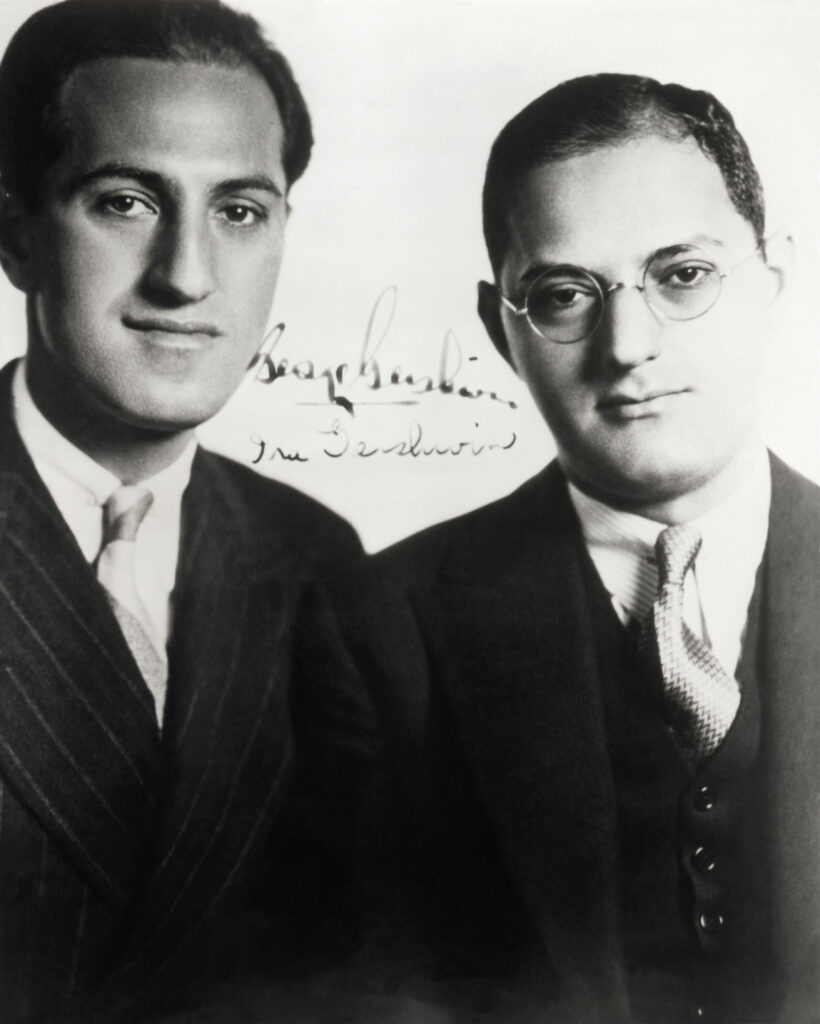
Born December 6, 1896, Ira Gershwin grew into the quiet, bookish counterpoint to his younger brother George’s dazzling musical energy. Together they formed one of the most extraordinary partnerships in American culture: George supplied the melodies that defined the Jazz Age, while Ira gave those tunes their wit, bite, and poetry. Their bond was more than professional—it was familial, rooted in immigrant resilience and a shared vision of elevating popular song into art. Ira’s words made George’s music sing with emotional resonance, from Broadway comedies like Lady, Be Good! to the operatic ambition of Porgy and Bess. Though George’s brilliance often stole the spotlight, Ira’s steady hand and lyrical genius ensured their work endured. After George’s untimely death in 1937, Ira devoted himself to preserving his brother’s legacy, ensuring that the Gershwin name would forever stand for the fusion of melody and meaning.
Image via Alamy
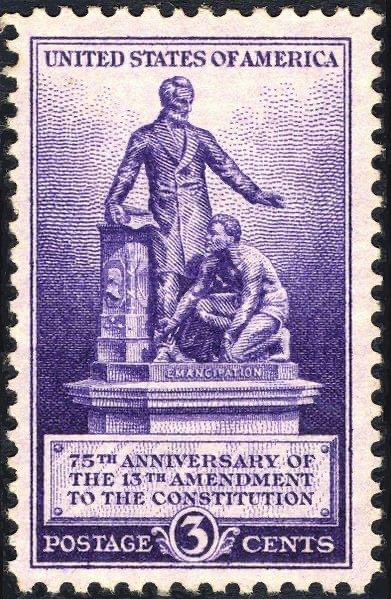
On December 6, 1865, slavery was officially abolished with the ratification of the Thirteenth Amendment to the Constitution. This 1940 postage stamp marked the 75th anniversary of that event.
Image via Smithsonian National Postal Museum via Wikimedia Commons, public domain
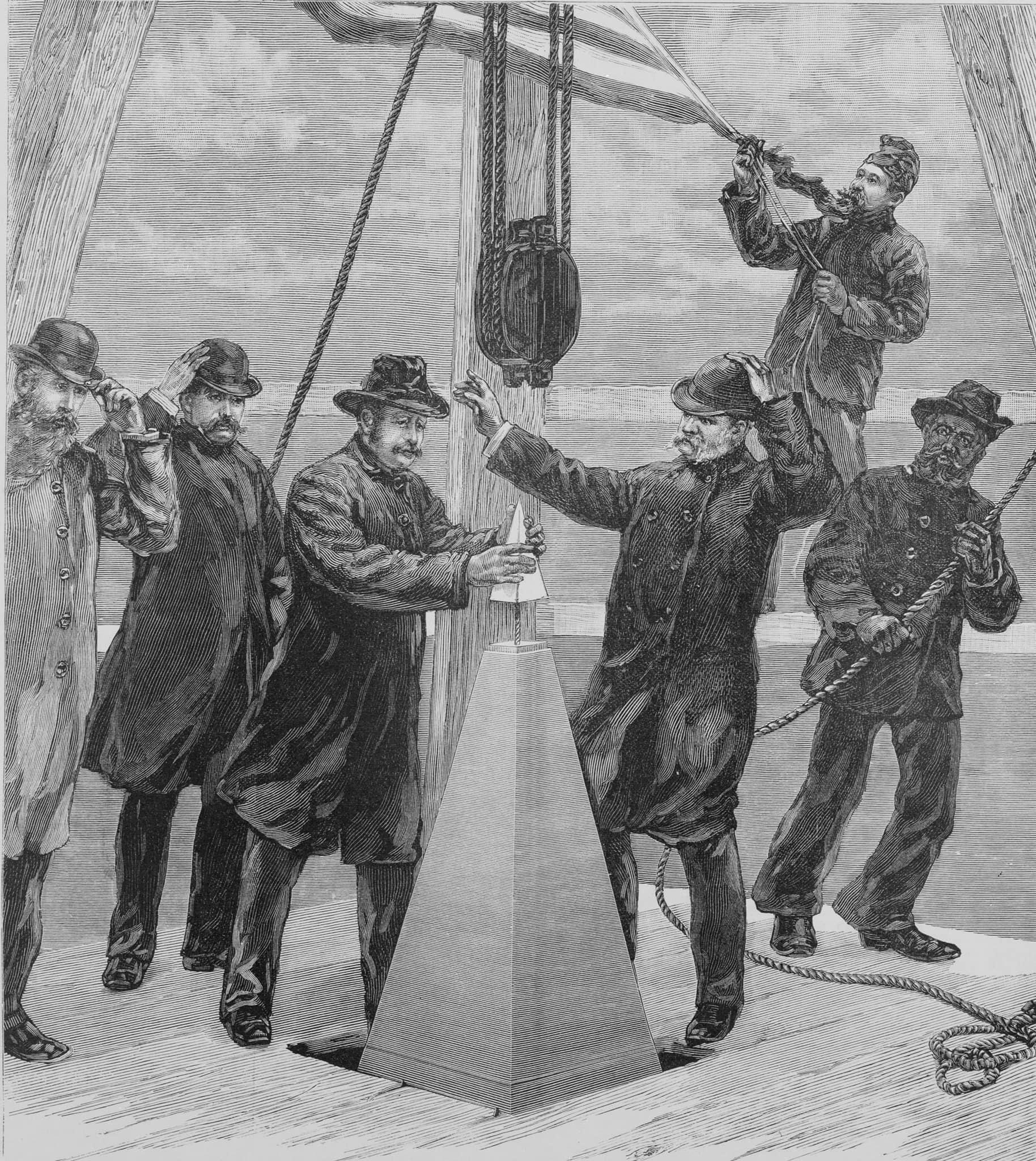
The aluminum capstone of the Washington Monument, 555 feet above the ground, was put in place on December 6, 1884. This took place 36 years after construction began.
Image via Wikimedia Commons, public domain
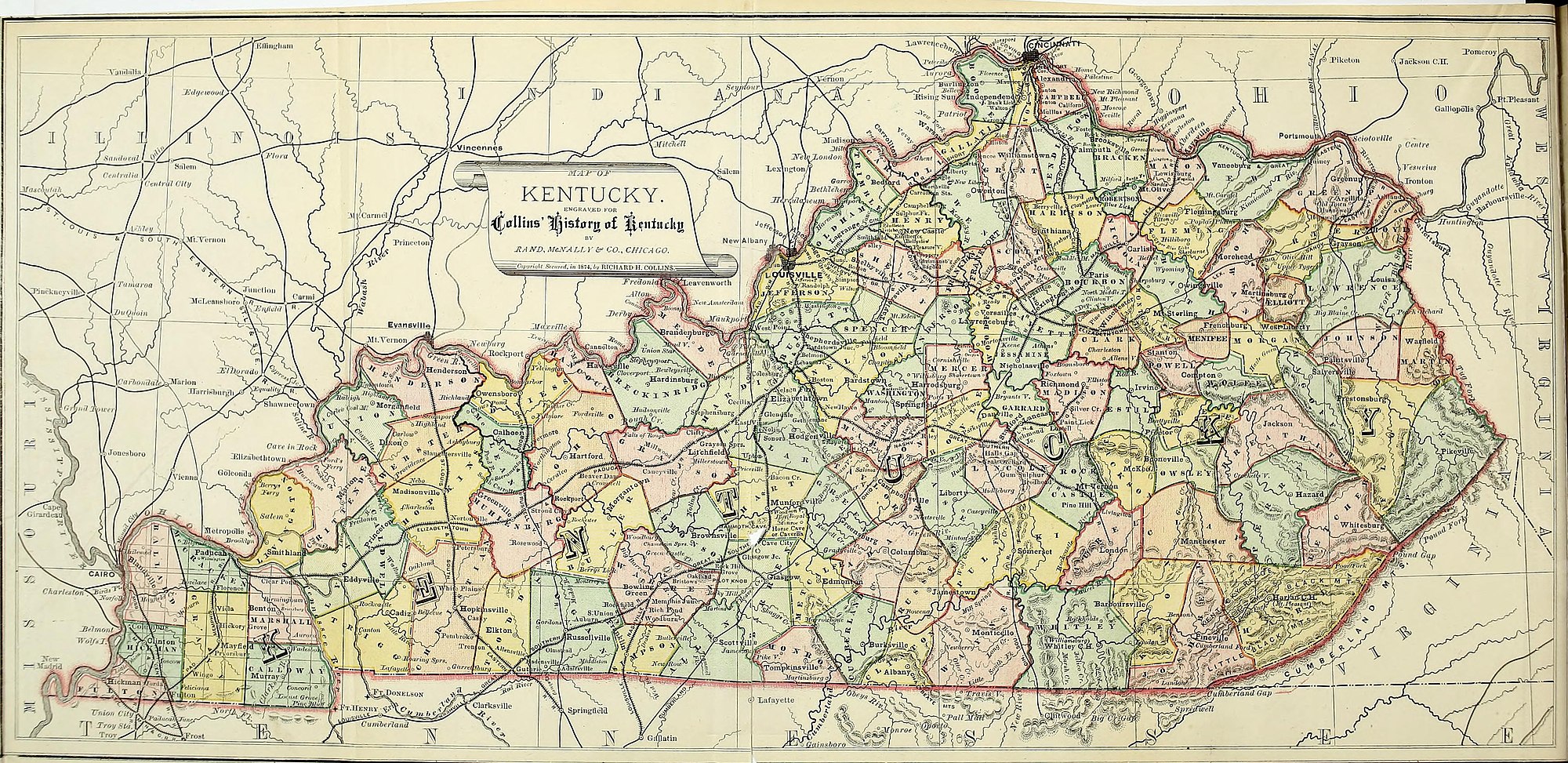
On December 6, 1776, Kentucky was established as a county of Virginia by the General Assembly of Virginia. The new designation became effective on New Year’s Eve of that year.
Kentucky became its own state nearly 16 years later.
Image map of Kentucky from the late 1800s via Wikimedia Commons, public domain
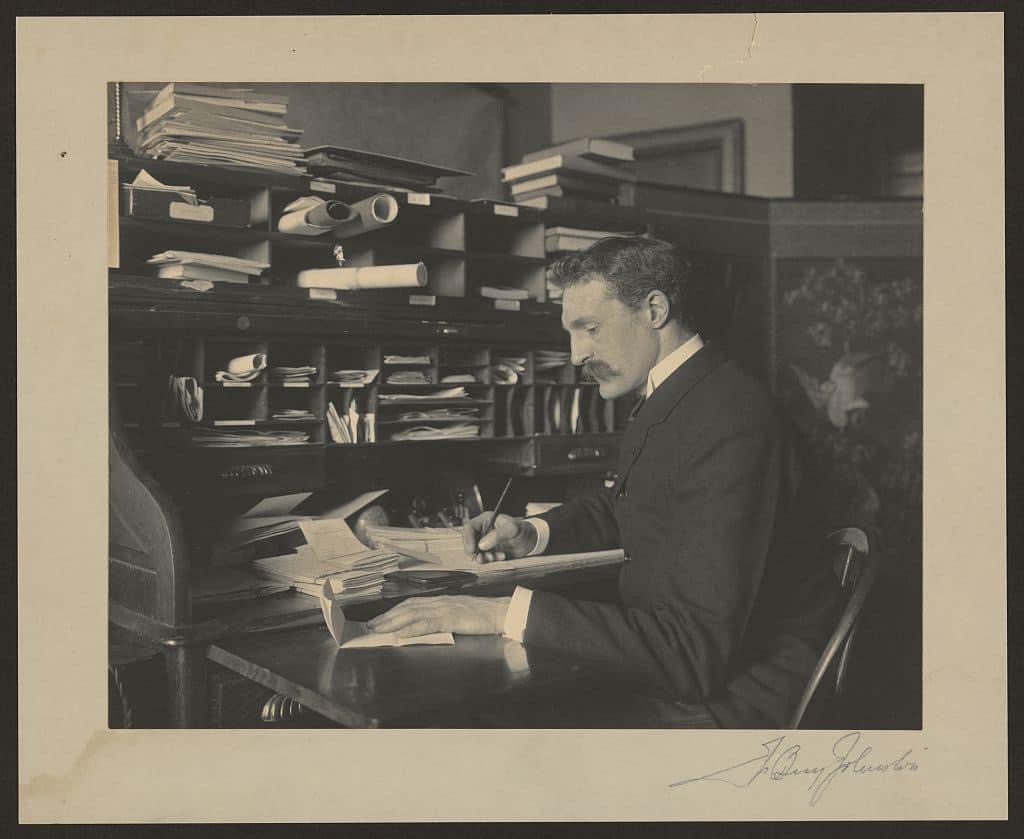
Gifford Pinchot at his desk in 1890
On December 6, 1891, after receiving a recommendation from Frederick Law Olmsted, Gifford Pinchot was hired by Vanderbilt to manage the forest at Biltmore Estate in North Carolina.
Image via Wikimedia Commons, public domain
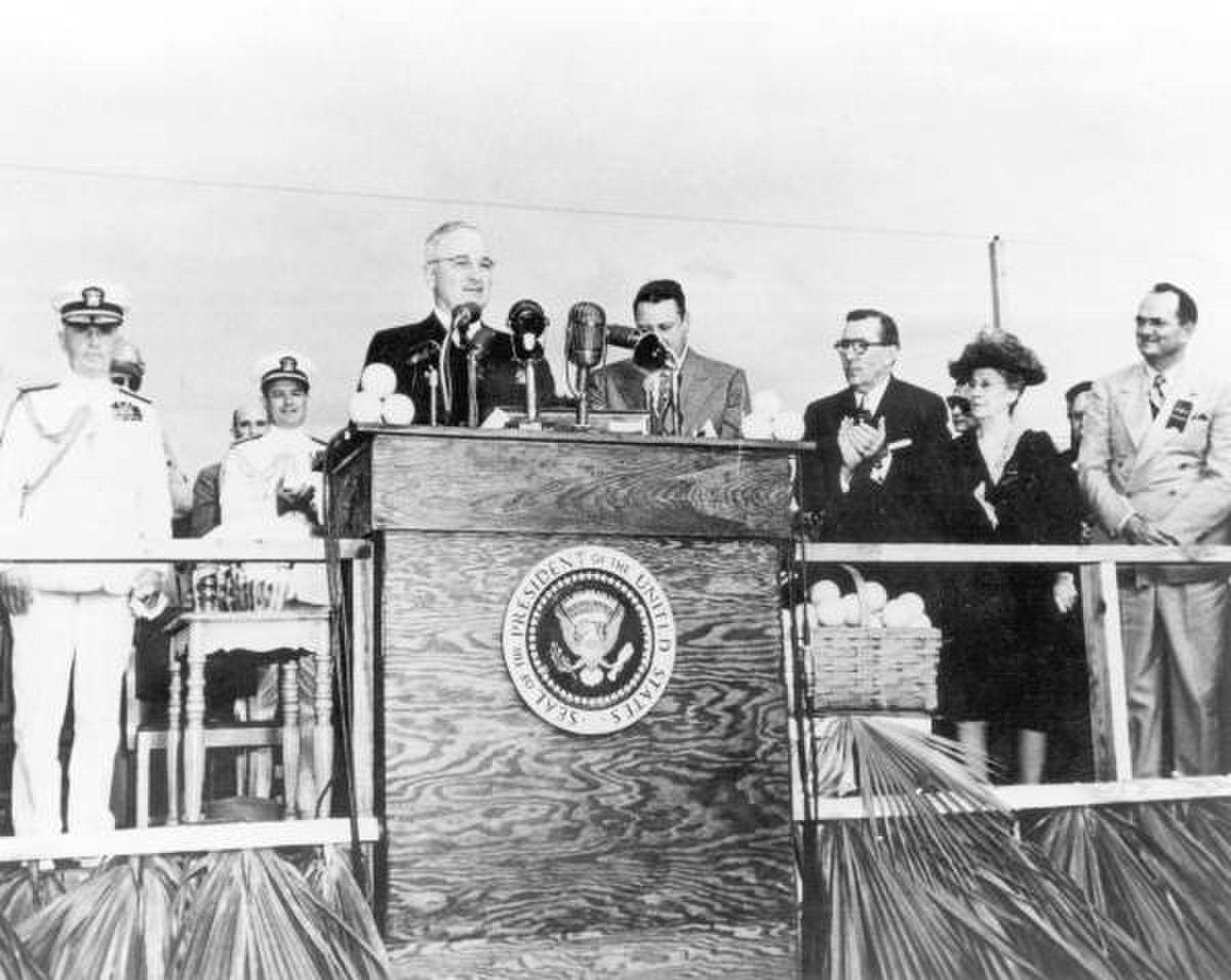
President Harry S. Truman dedicating Everglades National Park
December 6, 1947
Image via Wikimedia Commons, public domain
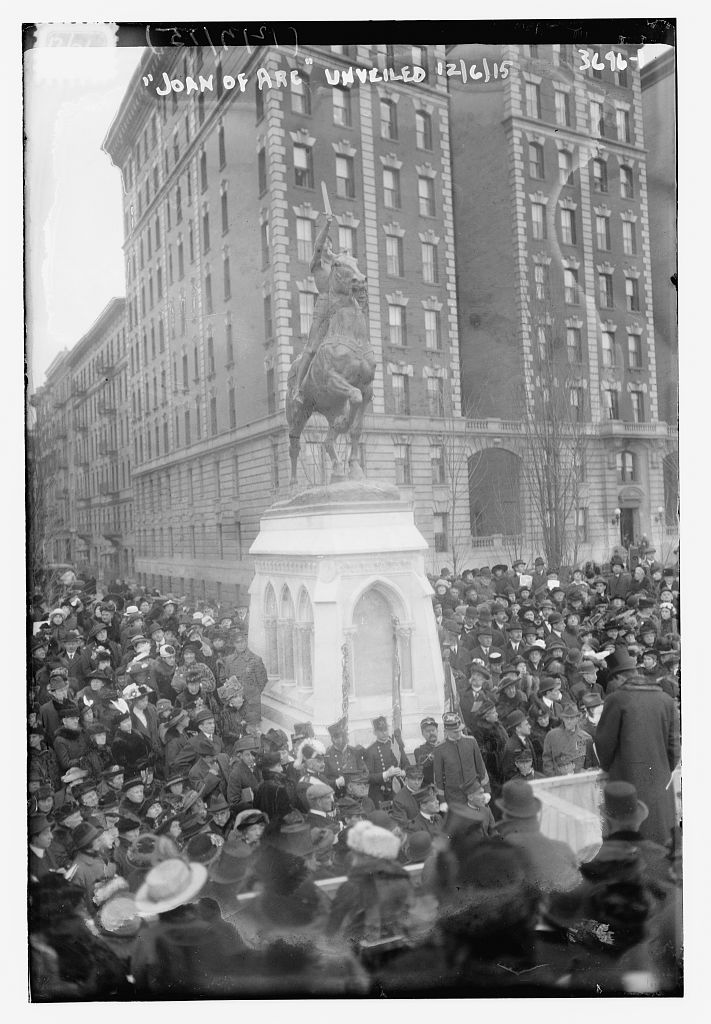
On December 6, 1915, New Yorkers gathered at Riverside Drive and 93rd Street to unveil Anna Vaughn Hyatt Huntington’s equestrian statue of Joan of Arc. The monument became the city’s first dedicated to a historical nonfictional woman. Architect John Van Pelt’s Gothic pedestal, built of Mohegan granite and embedded with limestone from the Tower of Rouen and stones from Reims Cathedral, bound France’s sacred history to America’s civic landscape. A dispatch (message) from President Woodrow Wilson to the event committee was read aloud to the crowd. In the midst of World War I, Joan’s raised sword (which the sculptor intended to depict as being raised to the heavens for a blessing) symbolized courage, faith, and solidarity across the Atlantic
Image via Wikimedia Commons, public domain
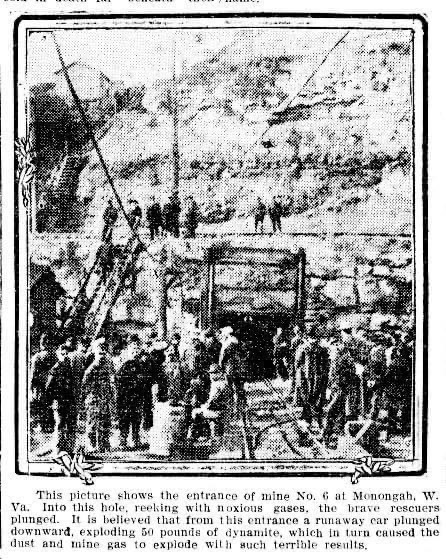
On December 6, 1907, the worst mining disaster in American history occurred in Monongah, West Virginia. Tragically 362 miners lost their lives.
Image via Wikimedia Commons, public domain
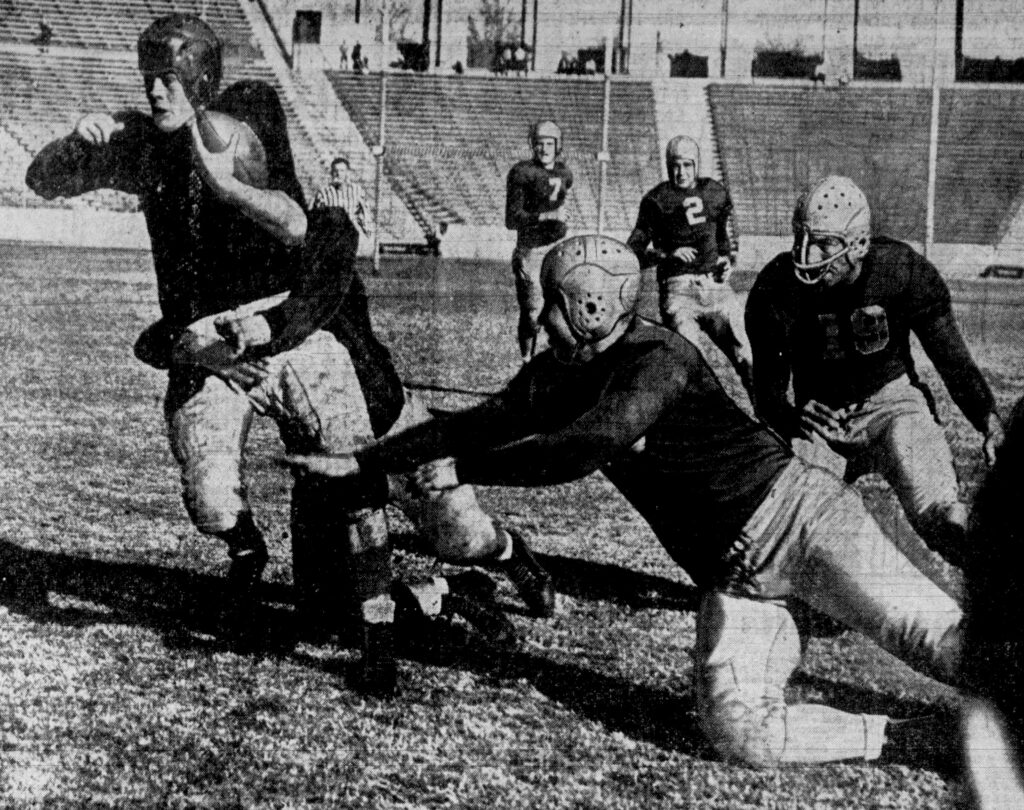
“On the Eve of War”
USC halfback Bobby Robertson (with ball) is tackled by UCLA’s Chuck Fears at the Los Angeles Memorial Coliseum on December 6, 1941. The game ended in a 7–7 tie, the last great West Coast rivalry before the attack on Pearl Harbor the following morning. Though other contests followed later that month, this matchup has come to symbolize the final moment of normalcy before America entered World War II.
Hours later, December 7 would break the balance forever.
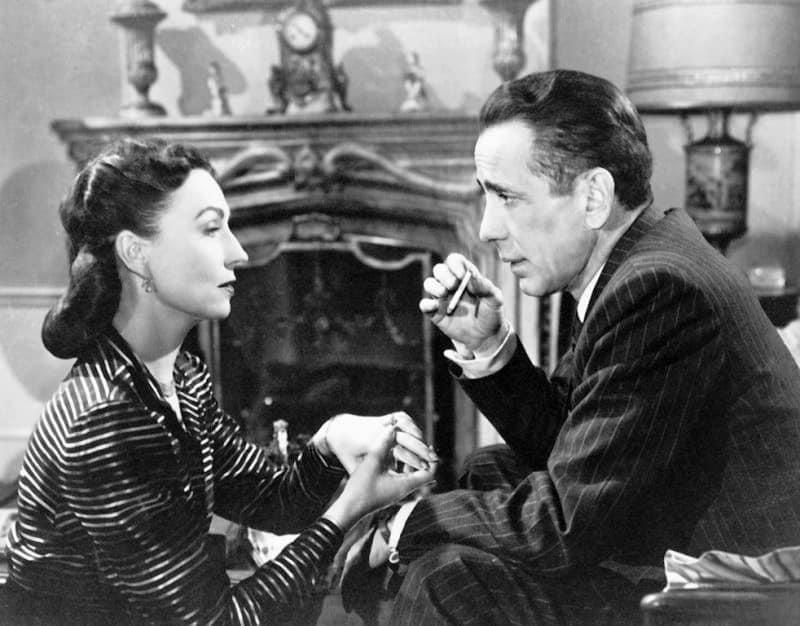
American actress Agnes Moorehead was born on December 6, 1900. Best remembered for her role as Endora on the ‘Betwitched’ television series, she also had roles in ‘Citizen Kane’, ‘Showboat’, and “Hush…Hush, Sweet Charlotte'”
Promo still of Agnes Moorehead and Humphrey Bogart for the film Dark Passage from 1947 via Wikimedia Commons, public domain
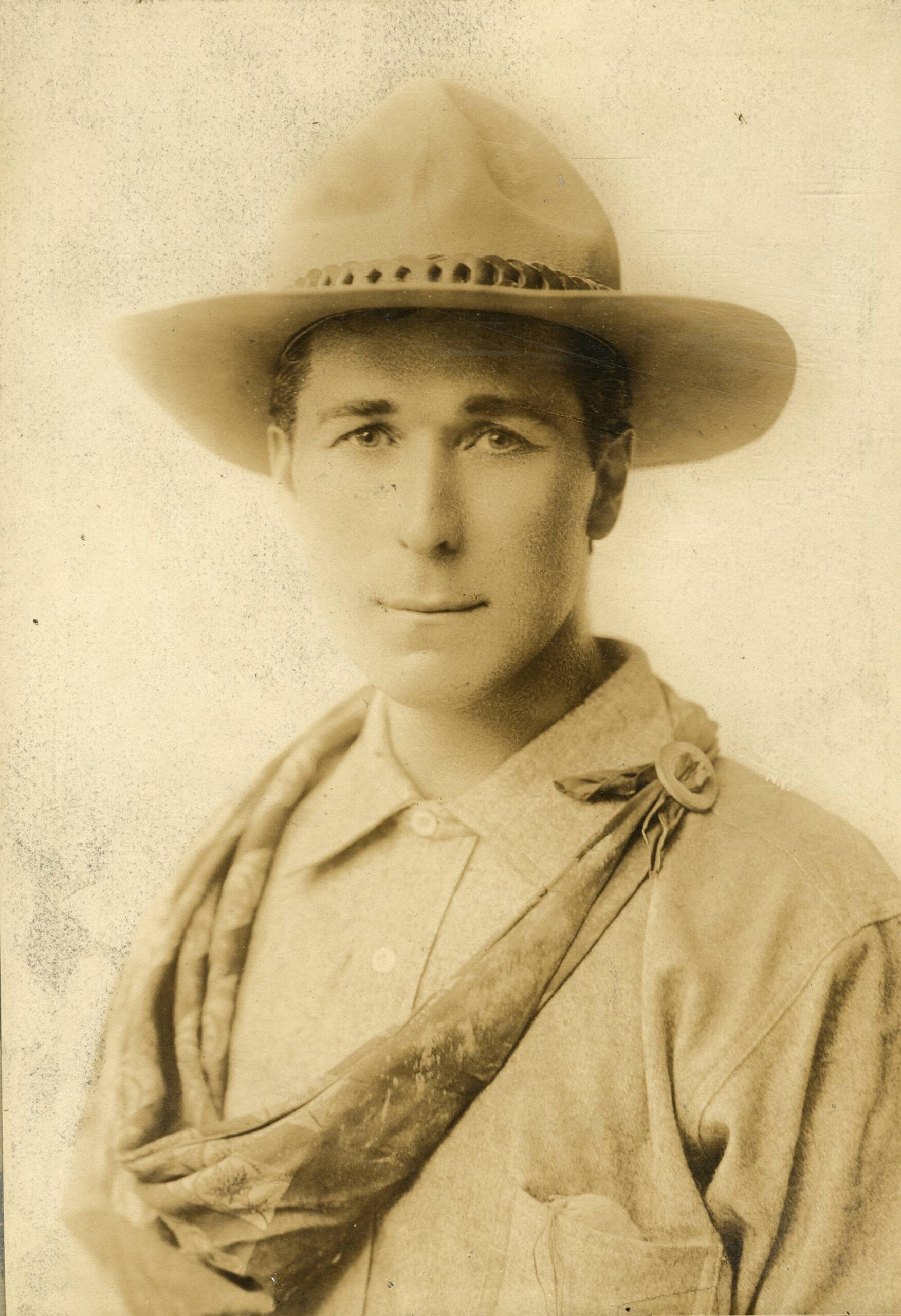
One of the first great western stars of the silver screen, William S. Hart, was born on December 6, 1864 in Newburgh, New York.
He was so captivated with the American West that he amassed an impressive collection of old western pistols and firearms that were believed to belong to notorious gunslingers.
Photo via Wikimedia Commons, public domain
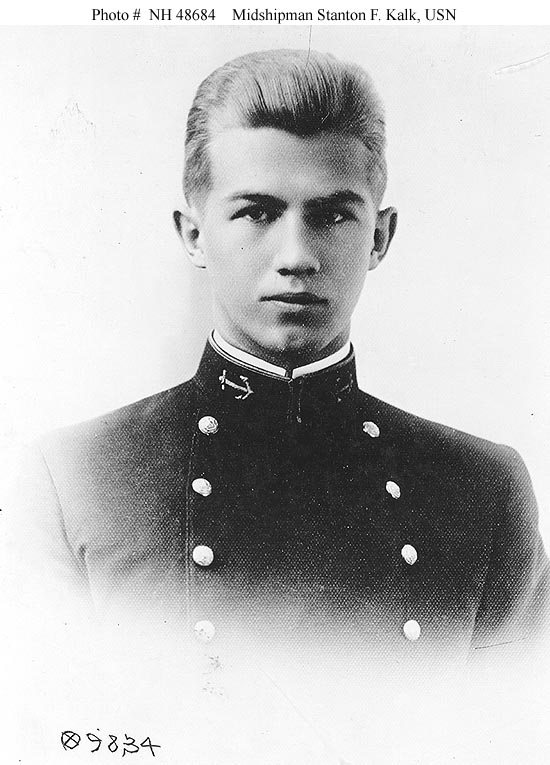
On December 6, 1917, the U.S. Navy destroyer Jacob Jones was sunk by a German U-boat near the southwestern tip of England.
Just after the Jacob Jones was struck by the deadly torpedo this officer, Stanton Frederick Kalk, did everything he could to get other men into life rafts. In the frigid waters of the Atlantic he swam from one life raft to another attempting to equalize the weight of each of them.
In the process he gave his life to save his fellow sailors.
Image of Stanton Frederick Kalk via Wikimedia Commons, public domain
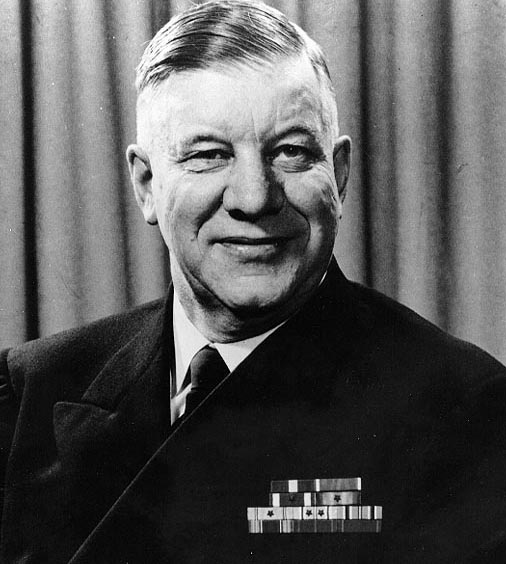
WWI, WWII and Cold War U.S. Navy Veteran, Vice Admiral Homer N. Wallin, was born on December 6, 1893 in Washburn, North Dakota.
He is best known for supervising ship salvage operations following the attack on Pearl Harbor.
Image via Wikimedia Commons, public domain
