
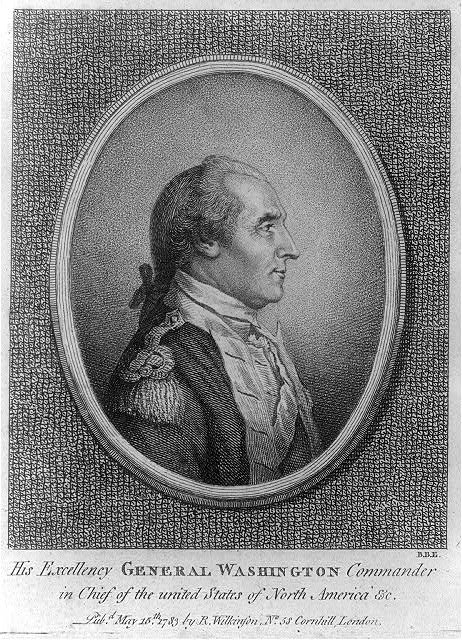
December 10, 1783
From Philadelphia, George Washington wrote to Colonel James McHenry of Maryland, outlining the final steps of his journey south — pausing briefly in Baltimore before reaching Annapolis “to get translated into a private citizen.” McHenry, later U.S. Secretary of War, would lend his name to Fort McHenry in Baltimore, whose defense in 1814 inspired The Star-Spangled Banner
From Washington Day by Day, published in 1895
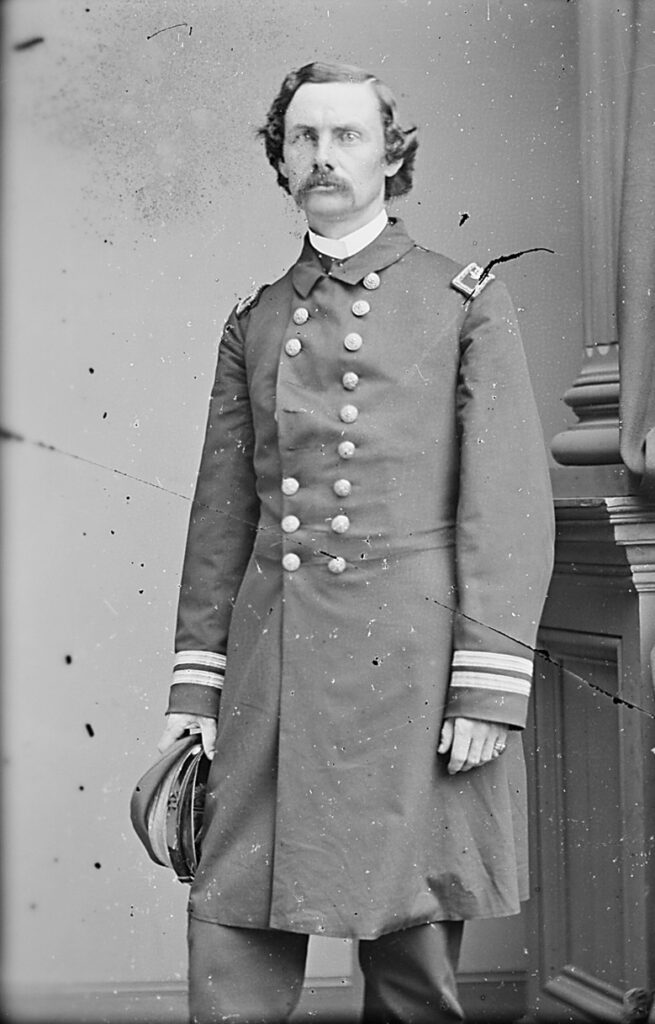
President Abraham Lincoln suggested that Congress hold a formal vote of thanks for Lieutenant Commander George U. Morris (USN) (shown) on December 10, 1862, for his heroic actions during the Battle of Hampton Roads. Morris, who was in charge of the wooden-hulled USS Cumberland, refused to give up his ship to the Confederate ironclad CSS Virginia (Merrimac) on March 8, 1862. Even though the ship was being rammed and was sinking quickly, Morris told his crew to keep firing their cannons. The Cumberland sank with its flag still flying, a powerful symbol of defiance and sacrifice that got national attention and praise from Lincoln.
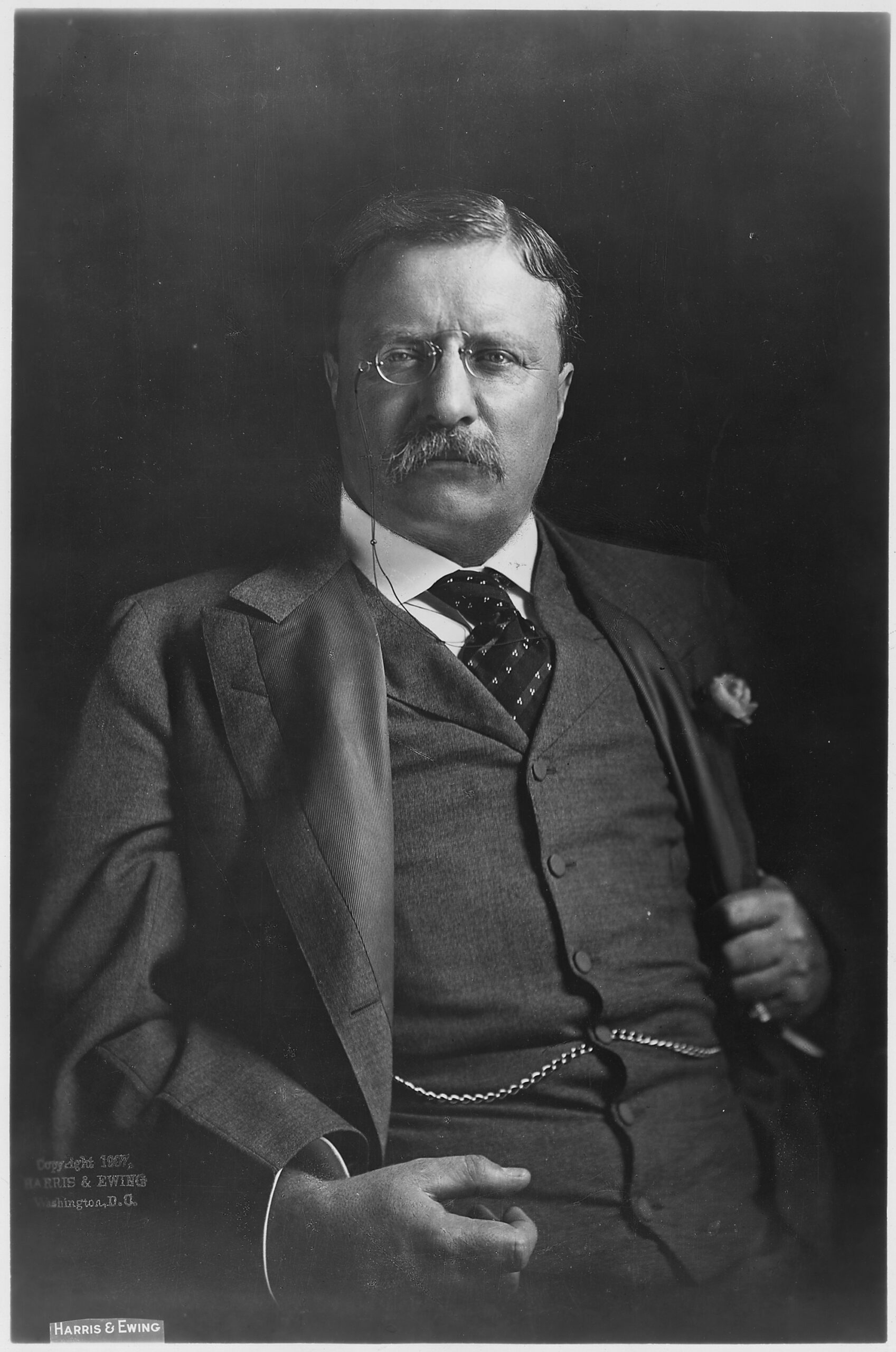
On December 10, 1906, Theodore Roosevelt was awarded the Nobel Peace Prize for his role in ending the Russo-Japanese War.
Image via Wikimedia Commons, public domain

“Fellow-citizens! the momentous case is before you. On your undivided support of your Government depends the decision of the great question it involves, whether your sacred Union will be preserved, and the blessing it secures to us, as one people, shall be perpetuated.”
Andrew Jackson from his Proclamation against the Nullification Ordinance of South Carolina that he issued on December 10, 1832
Image via Wikimedia Commons, public domain
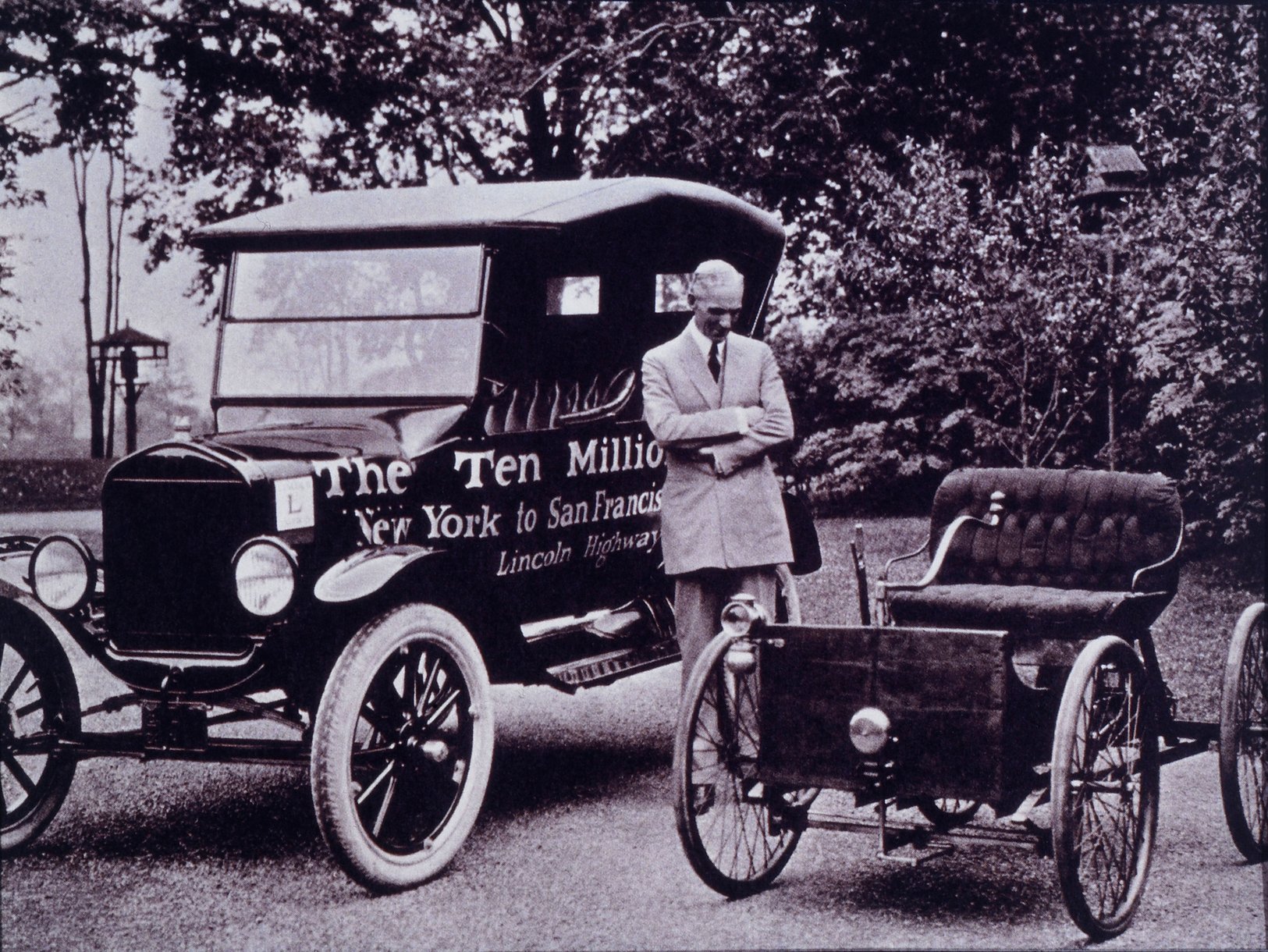
On December 10, 1915, the one-millionth Model T rolled off Ford’s assembly line in Detroit, Michigan.
Image: Henry Ford eighteen years later with his first auto, the Quadricycle, and the ten-millionth Ford Model T in 1933. Image via Alamy
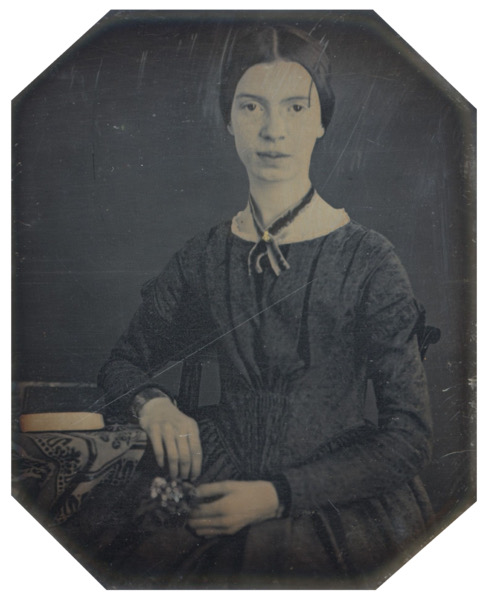
Born December 10, 1830 only ten of Emily Dickinson’s poems were published in her lifetime. After Emily’s death her sister Lavinia found 1,800 poems which the Dickinson family published to wide acclaim over a 50 year span. Shown is the only authenticated picture of the poet, taken as a student at Mount Holyoke College.
One poem Emily wrote was
“Yesterday is History,
‘Tis so far away —
Yesterday is Poetry —
‘Tis Philosophy —
Yesterday is mystery —
Where it is Today
While we shrewdly speculate
Flutter both away”
Image via Wikimedia Commons, public domain in the US.
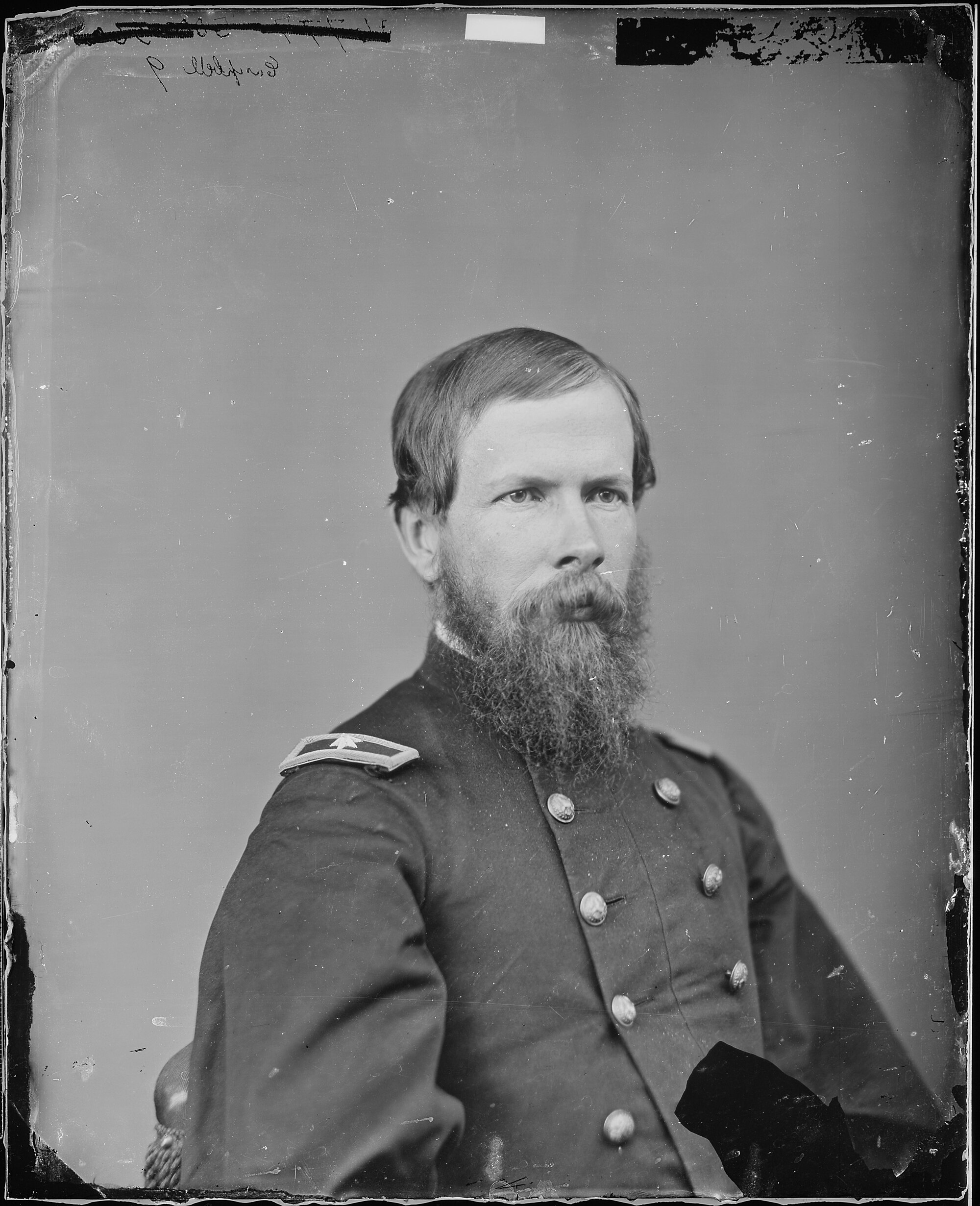
In 1869 Ulysses S. Grant appointed Civil War veteran John Allen Campbell (shown) to serve as the first Governor of the Wyoming Territory.
Later that same year, Campbell approved the first law permitting women to vote in the U.S. on December 10, 1869.
Image via Wikimedia Commons, public domain in the US.
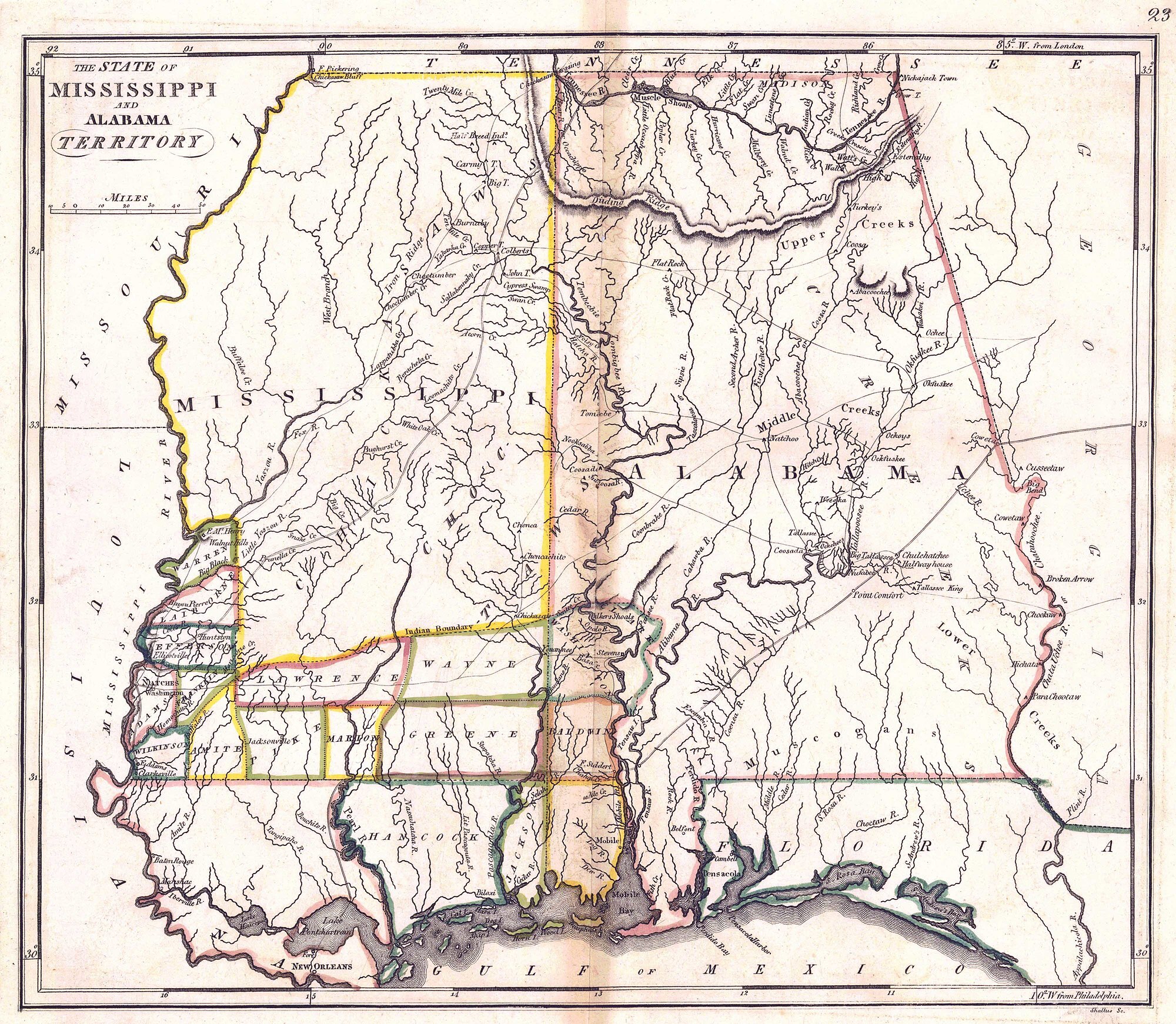
On December 10, 1817, Mississippi became the 20th state.
Alabama was once part of the Mississippi Territory and it became its own territory in 1817. Alabama eventually became its own state two years later in 1819.
Image of a map from 1817 of The State of Mississippi and Alabama Territory via Wikimedia Commons, no known restrictions
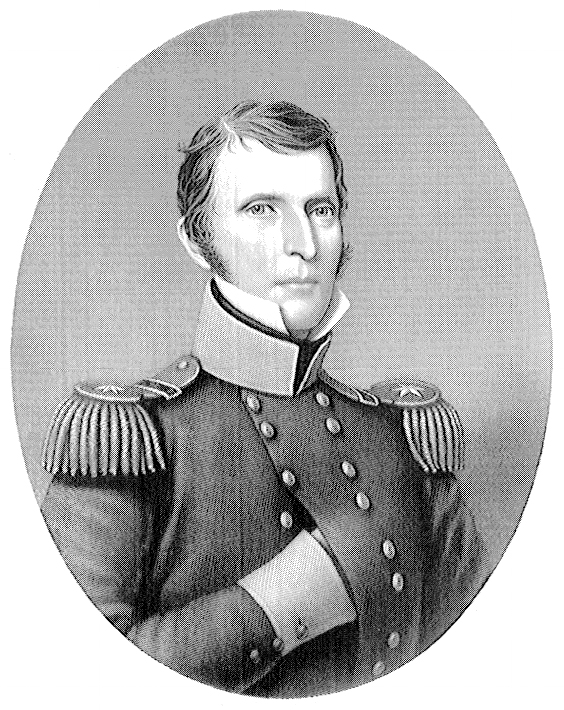
War of 1812 Veteran, Henry Leavenworth, who was wounded during the Battle of Niagara, was born on December 10, 1783 in New Haven, Connecticut.
A county, a city and a fort in Kansas are named after him.
Illustration of Henry Leavenworth via Wikimedia Commons, public domain
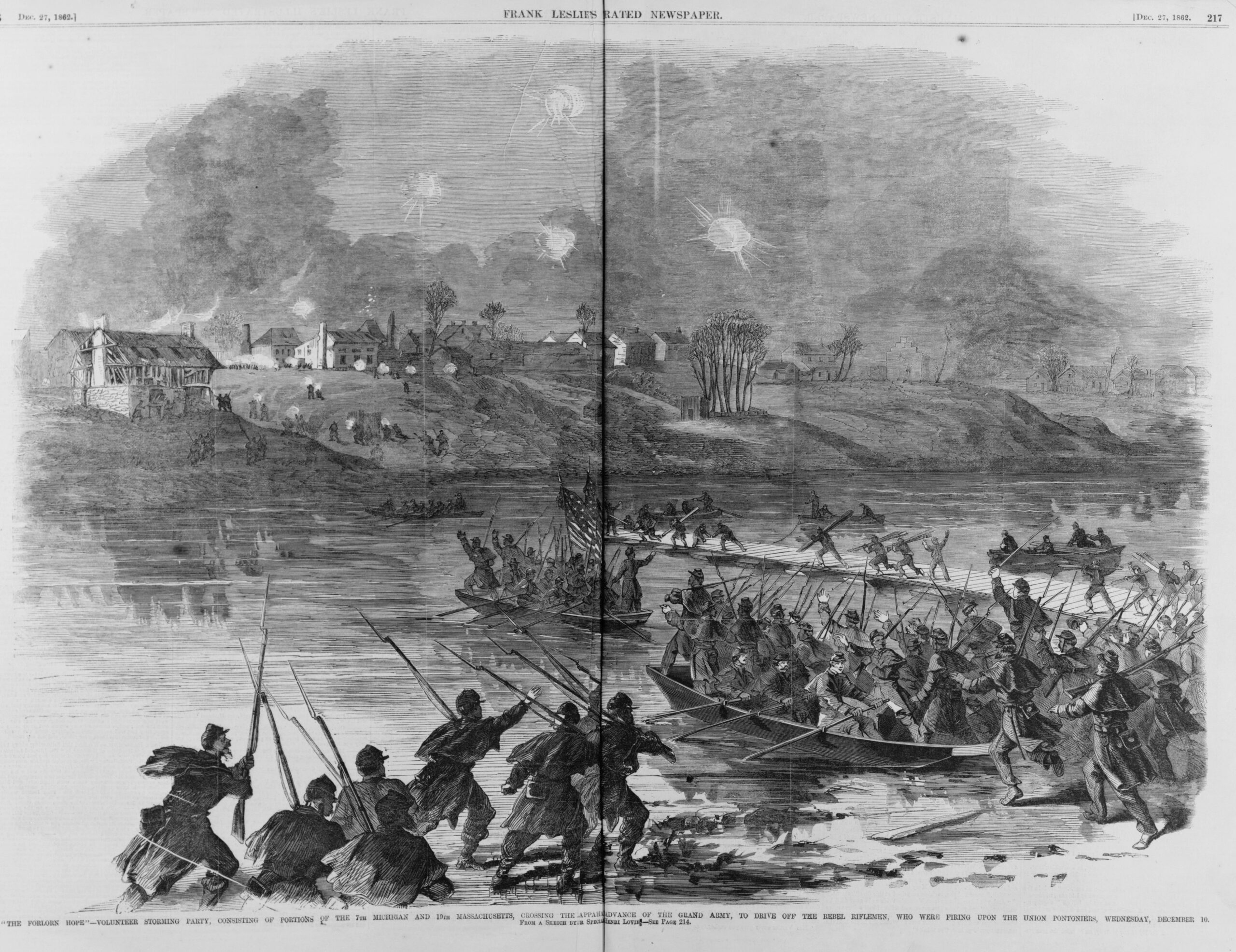
“The forlorn hope” – volunteer storming party, consisting of portions of the 7th Michigan and 19th Massachusetts, crossing the Rappahannock in advance of the Grand Army, to drive off the Rebel riflemen, who were firing upon the Union pontoniers, Wednesday, December 10, 1862 from a sketch by Henri Lovie.
via LOC, no known restrictions
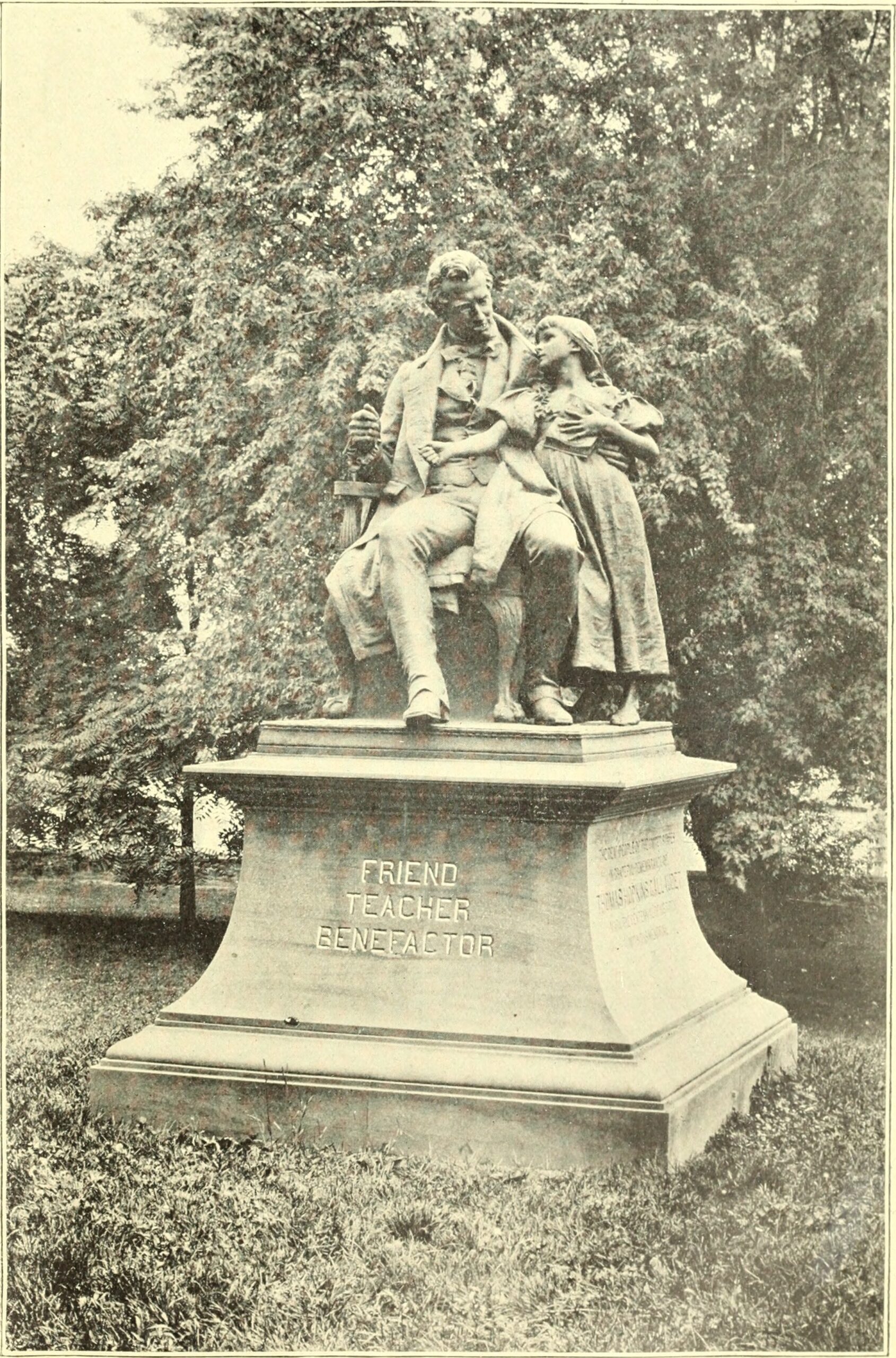
Thomas Hopkins Gallaudet who co-founded the American School for the Deaf was born on
December 10, 1787 in Philadelphia, Pennsylvania.
Image of a memorial depicting Thomas Gallaudet with Alice Cogswell who was his inspiration for founding the school
via Wikimedia Commons, no known restrictions
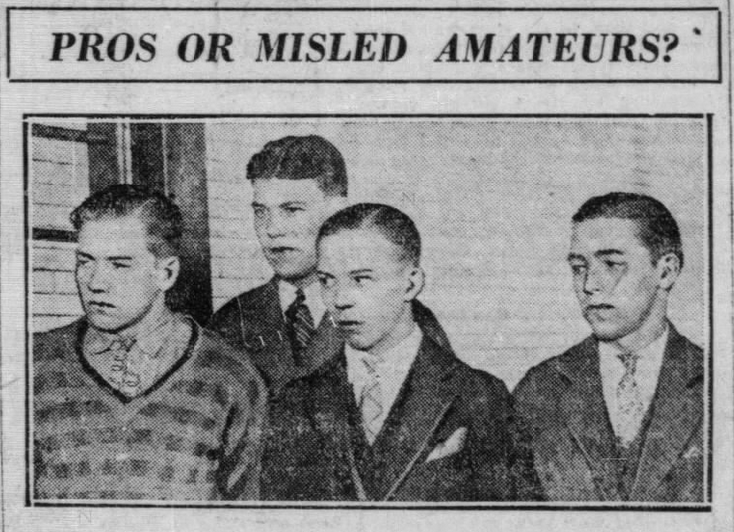
On December 10, 1925, the Chicago Cardinals football team beat the Milwaukee Badgers by a score of 59-0.
There was one glaring problem, the owner of the Milwaukee Badgers recruited four players from a local high school to play against the Cardinals (under assumed names) for the game.
The faux pas became known as the 1925 Chicago Cardinals–Milwaukee Badgers scandal.
Image via Wikimedia Commons, no known restrictions
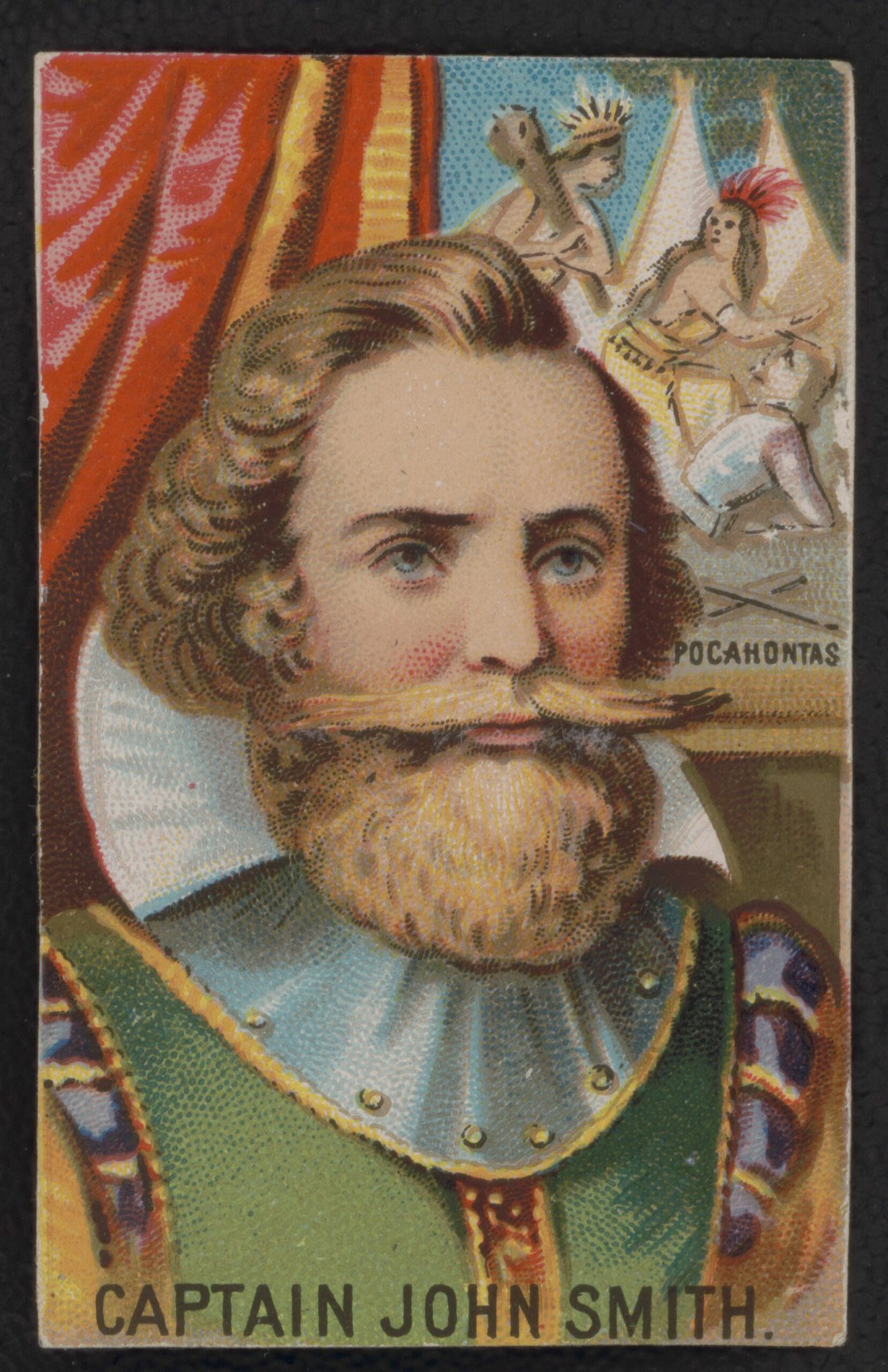
In December 1607, Captain John Smith departed Jamestown and was captured by members of the Powhatan tribe while he was searching for food along the Chickahominy River. He was held for about a month.
Image from LOC via Wikimedia Commons, public domain
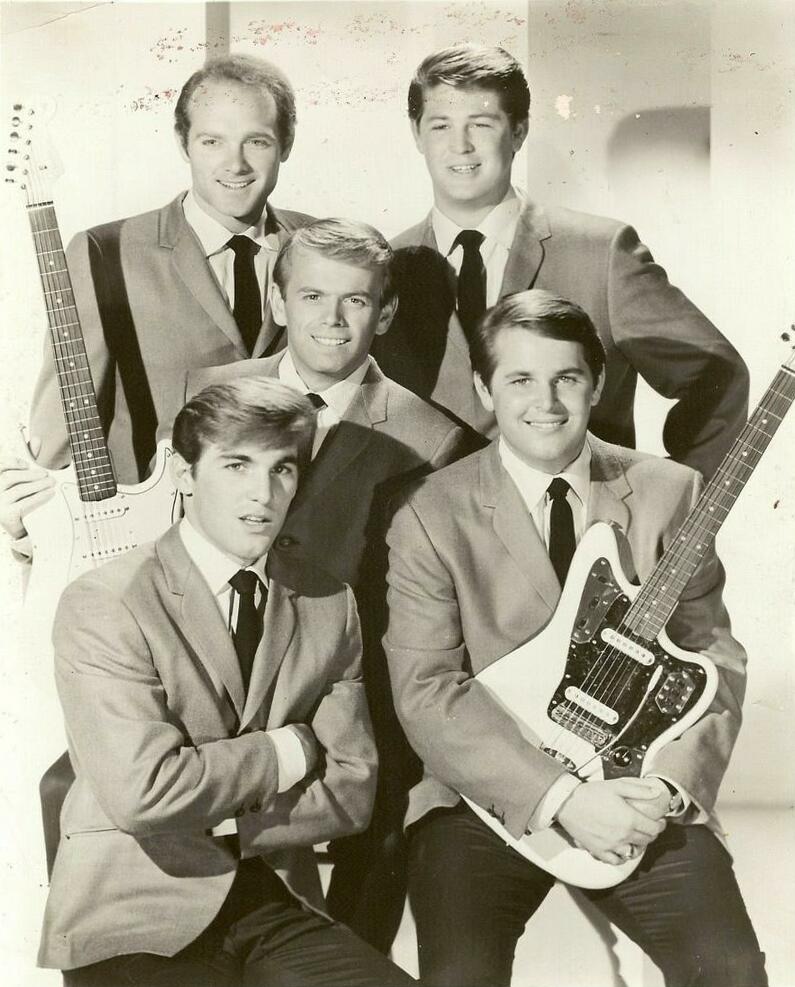
On December 10, 1966, “Good Vibrations” by the Beach Boys became the #1 song in America.
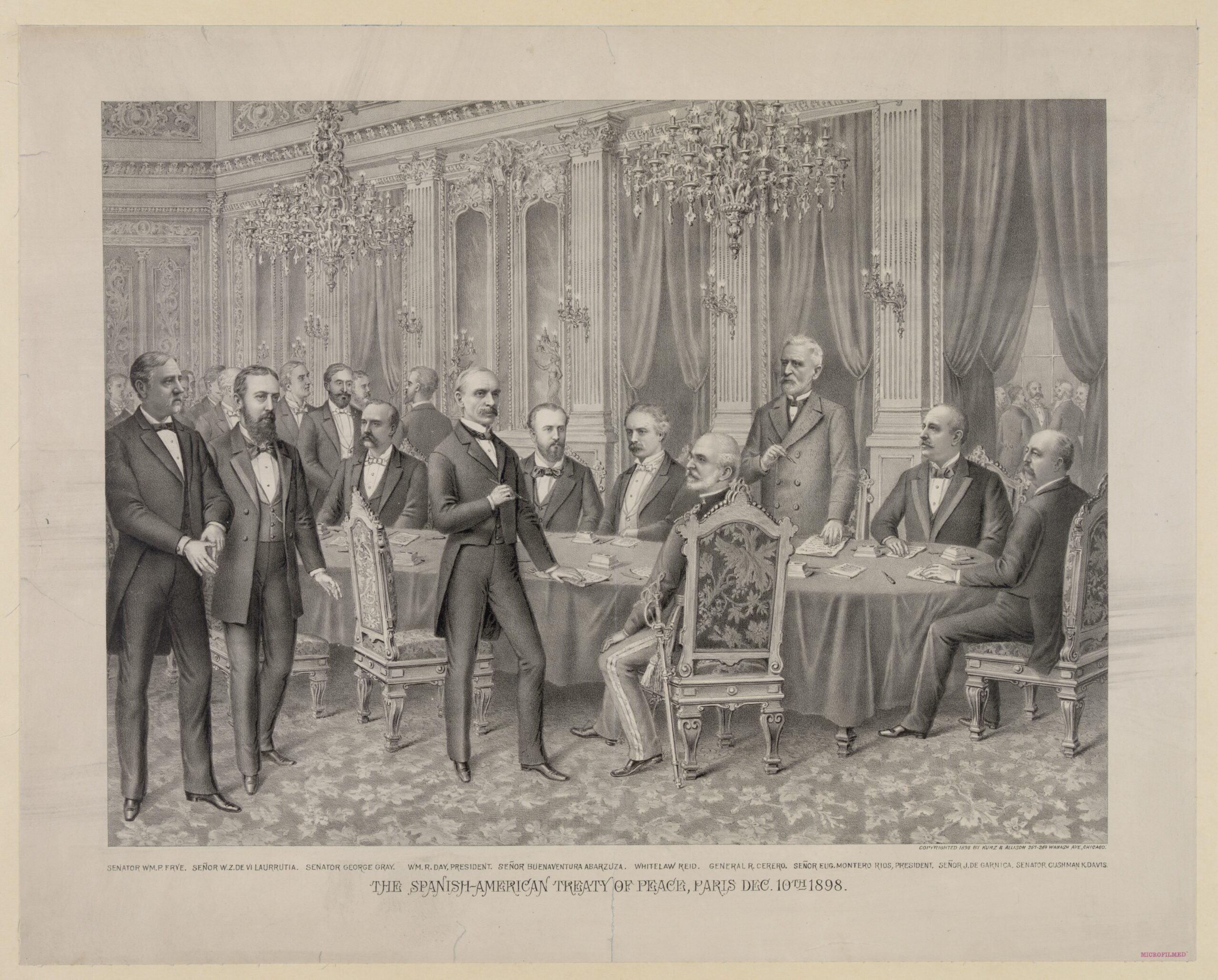
Spanish-American Treaty of Peace, Paris
December 10, 1898
Image from LOC via Wikimedia Commons, public domain
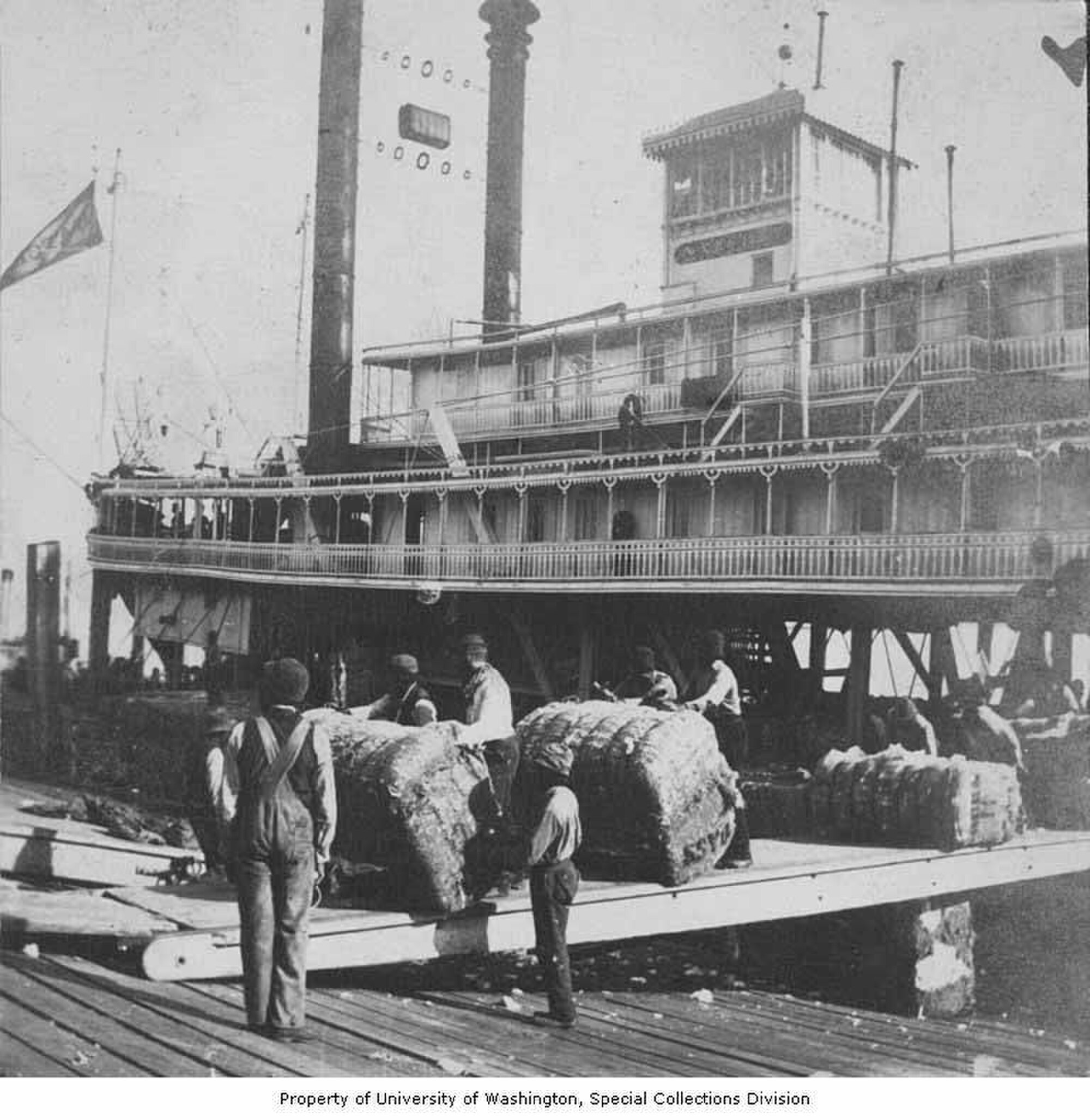
Men rolling large cotton bales down a ramp from the steamship NATCHEZE to the docks, New Orleans, December 10, 1903
Image via Wikimedia Commons, public domain
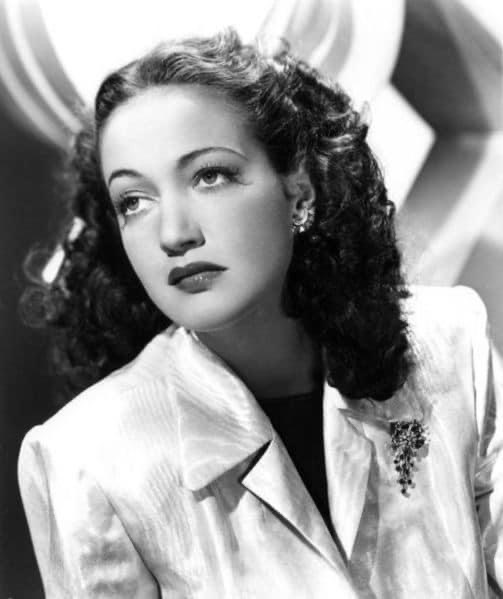
Dorothy Lamour, who starred in the “Road To…series of films with Bob Hope and Bing Crosby was born in New Orleans on December 10, 1914. She sold a walloping $300 million dollars in bonds during WW2, earning her the nickname “The Bond Bombshell.”
Film Still via Wikimedia Commons, public domain
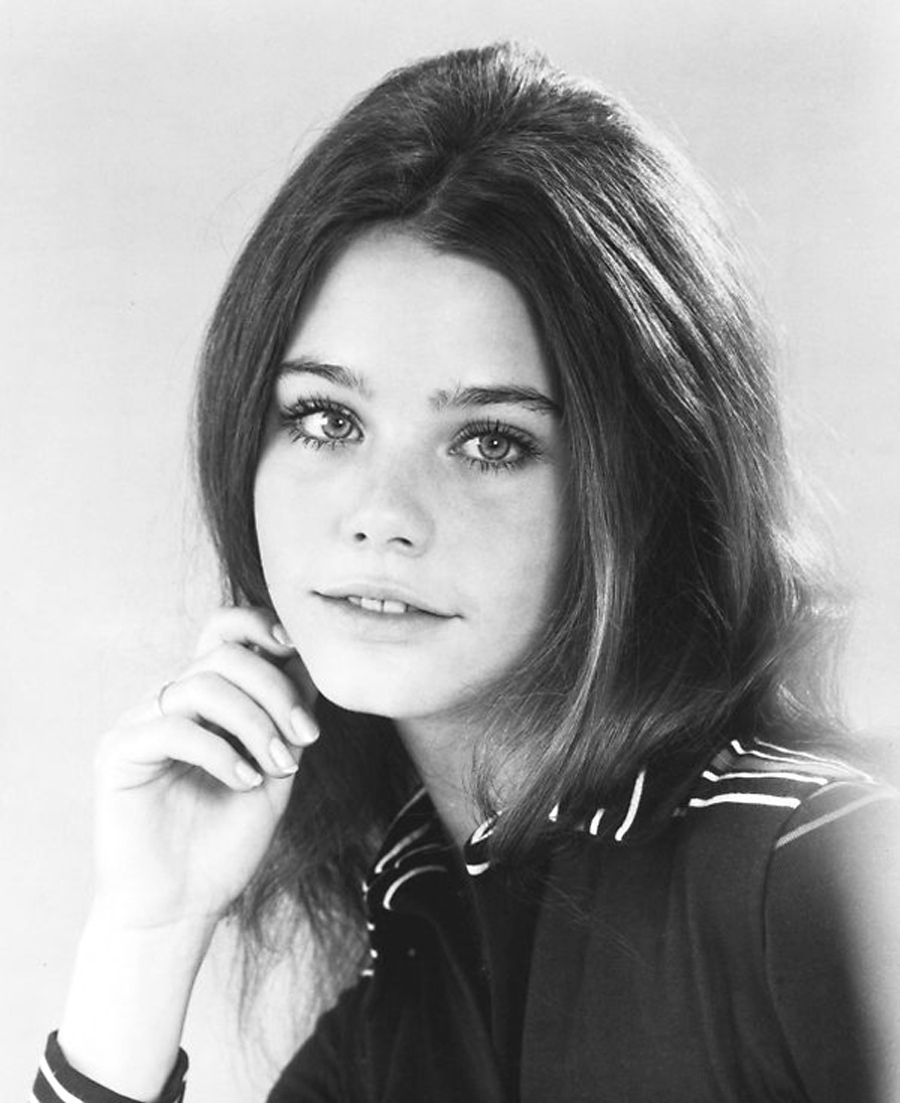
American actress Susan Dey, who played the role of Laurie Partridge in The Partridge Family was born on December 10, 1952 in Pekin, Illinois.
Image of Susan in 1970 via Wikimedia Commons, public domain
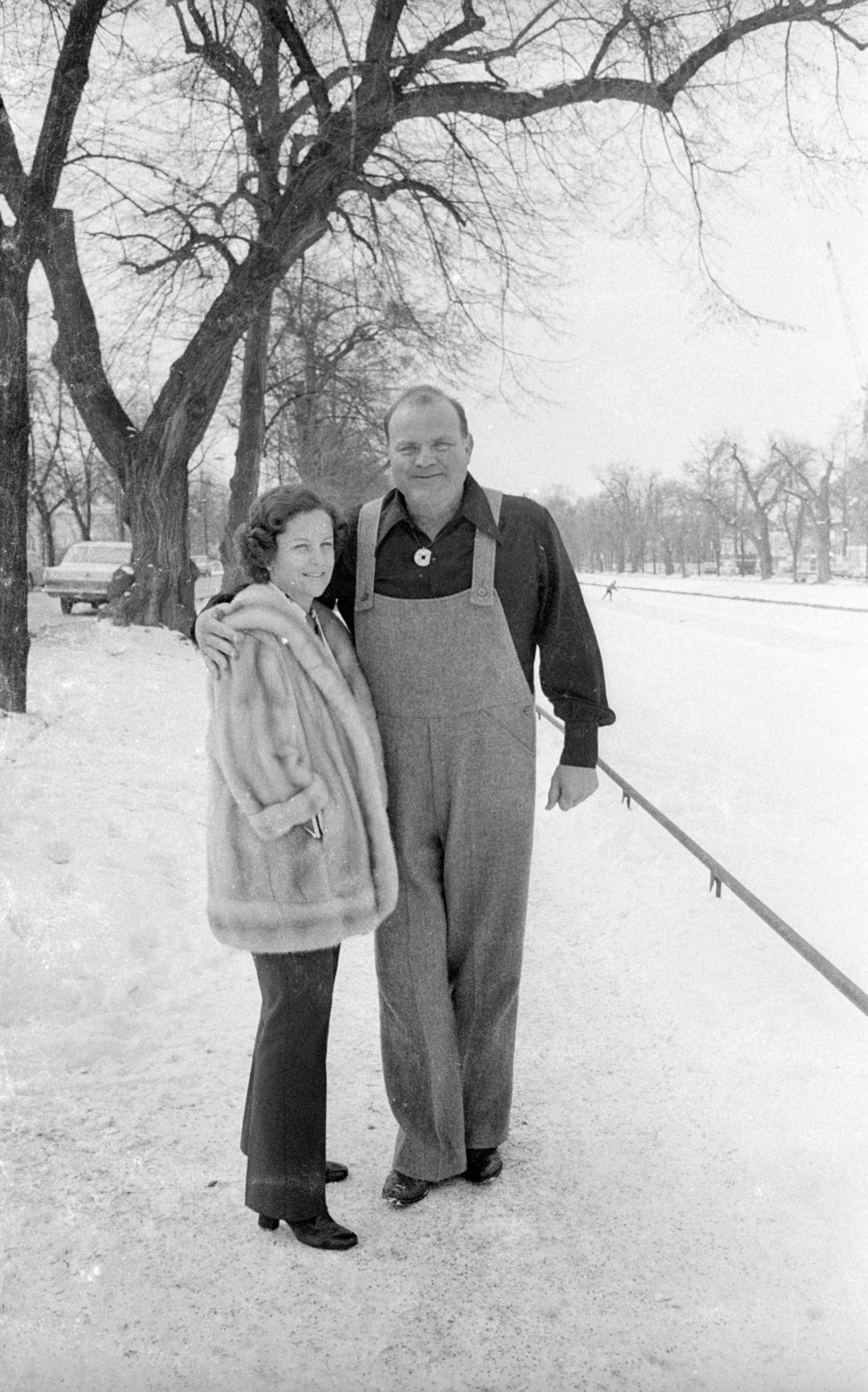
On December 10, 1928, Korean War Veteran and Purple Heart recipient, Dan Blocker, was born in De Kalb, Texas.
Image: Dan Blocker, who played the role of Hoss Cartwright in the TV series Bonanza, during a walk along the Nymphenburg Canal with his wife Dolphia Parker in 1971 via Alamy
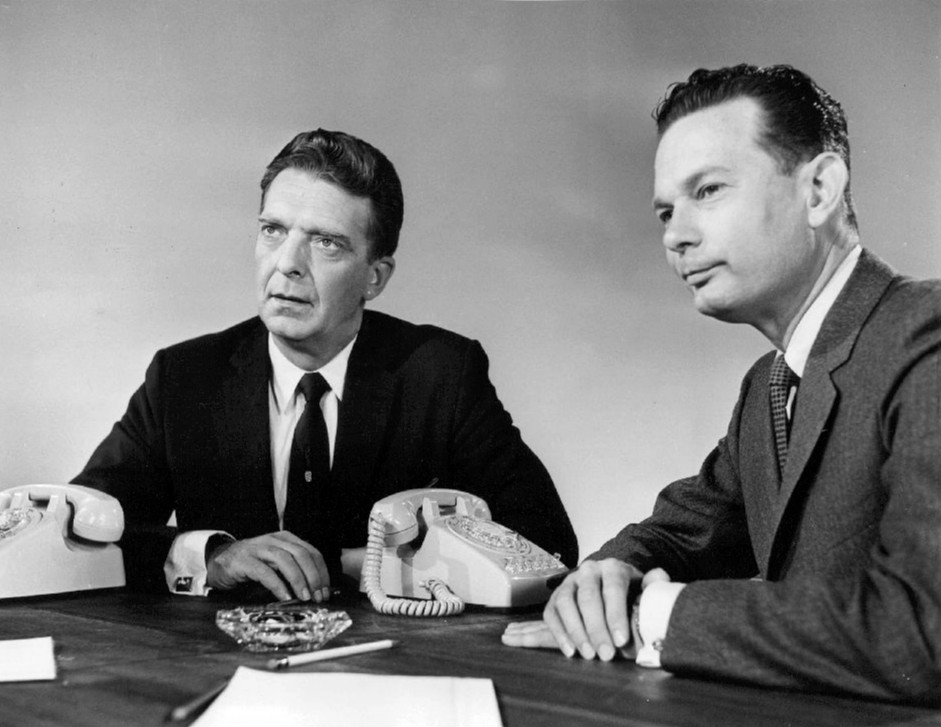
Chet Huntley (left), born December 10, 1911, in Cardwell, Montana, became a defining voice in American broadcast journalism when paired with David Brinkley during NBC’s coverage of the 1956 national conventions. Their instant rapport led to the launch of the Huntley-Brinkley Report that October, a co-anchored newscast blending Huntley’s steady authority with Brinkley’s dry wit. Huntley’s Montana upbringing in railroad towns gave him the calm perspective that anchored the program, which quickly became a staple of American households.
Their trademark farewell for 14 years “Good night, Chet. David, good night. And good night for NBC News” reverberated throughout the country, signifying not only the conclusion of the program but also the start of a new benchmark for journalism. Brinkley’s astute analysis brought nuance, while Huntley’s Montana background and moral perspective gave the news weight. Together, they shaped the modern evening newscast and won every major broadcast prize.
