
December 16 1773…
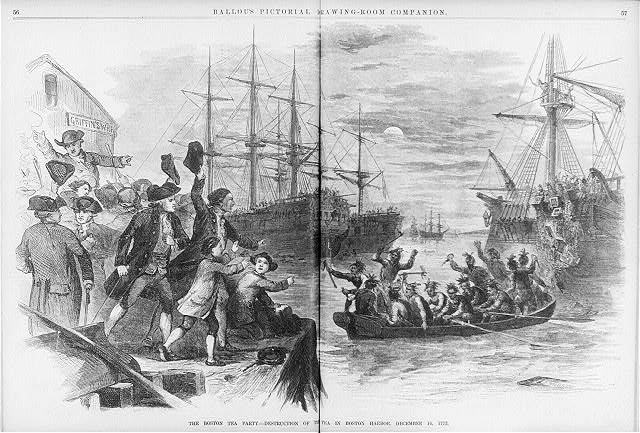
“The East India Company, confident of finding a market at the reduced prices, freighted several ships with tea and sent them to the several ports of New York, Boston, Philadelphia and Charleston. The people of New York and Philadelphia sent the ships back to London. In Charleston, the tea was forcibly taken by the populace, and stored in damp cellars, till unfit for use. At Boston, the inhabitants tried every way to send back the three ships which had arrived there, but without success. The vessels lay for some days in the harbor, watched by a strong guard of citizens, who dispatched the most decided commands to the ship-masters not to land the cargoes. At length the popular rage could no longer be restrained, and the consignees, apprehending violence, took refuge in Castle William; while on the 16th of December, a body of men, disguised as Mohawk Indians, boarded the vessels and threw the tea into the dock. In the space of two hours the contents of 342 chests of tea, valued at £18,000 sterling, were thus destroyed. The principal actors in this affair are now known to have been members of the Lebanon club of “Sons of Liberty.” Their leader was named Lendall Pitts. They were bold men, and had resolved to prevent the landing of the tea, or to perish in the attempt.
The ministry of Britain had long watched for an opportunity of punishing the people of Boston for the leading part they had taken in resisting their measures. As soon as the news of the destruction of the tea reached England, it was determined to proceed to extreme measures. A bill passed both houses of parliament, which ordered the port of Boston to be closed, and that no goods should be shipped or landed. This interdict was to continue until the citizens should express a due sense of their error, and make full compensation to the company; when the crown, if it should see sufficient reason, might restore its lost privilege. This port bill, so big with important consequences, was followed by two others; one prohibiting town-meetings, unless by consent of the governor; the other directing that offenders against the state should be sent to Britain or another colony for trial. The news of the passage of the Port Bill reached Boston on the 10th of May…”
From: History of the United States of America, from the Discovery to the Present Time by Henry C. Watson, published in 1853.
https://archive.org/details/historyofuniteds02wats/page/324
Image: The Boston Tea Party–destruction of the tea in Boston Harbor, December 16, 1773 via LOC, no known restrictions
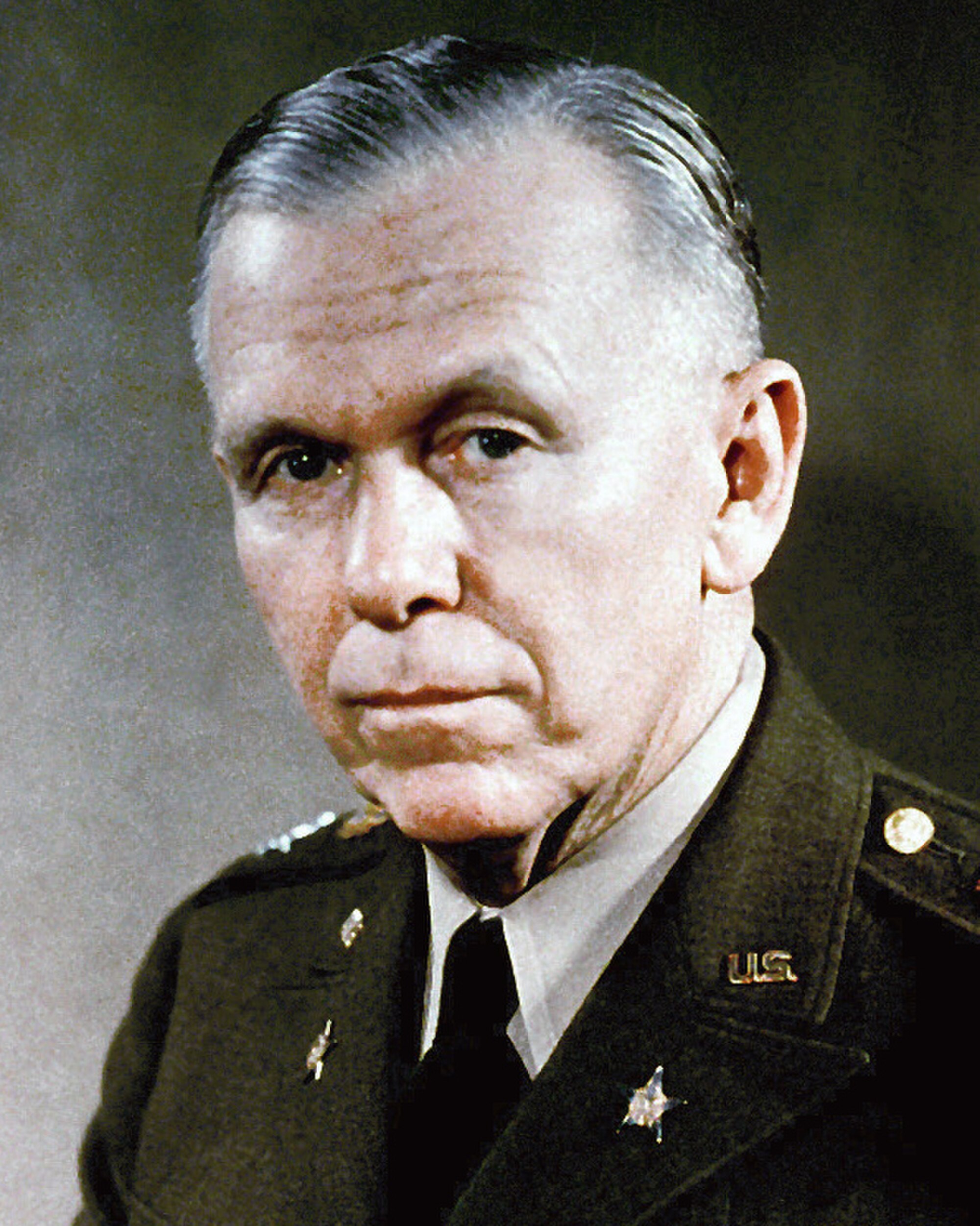
Uniontown, Pennsylvania born George Marshall became a five-star General in the U.S. Army on December 16, 1944.
Nine years later he received the Nobel Peace Prize in 1953.
Image via Wikimedia Commons, no known restrictions
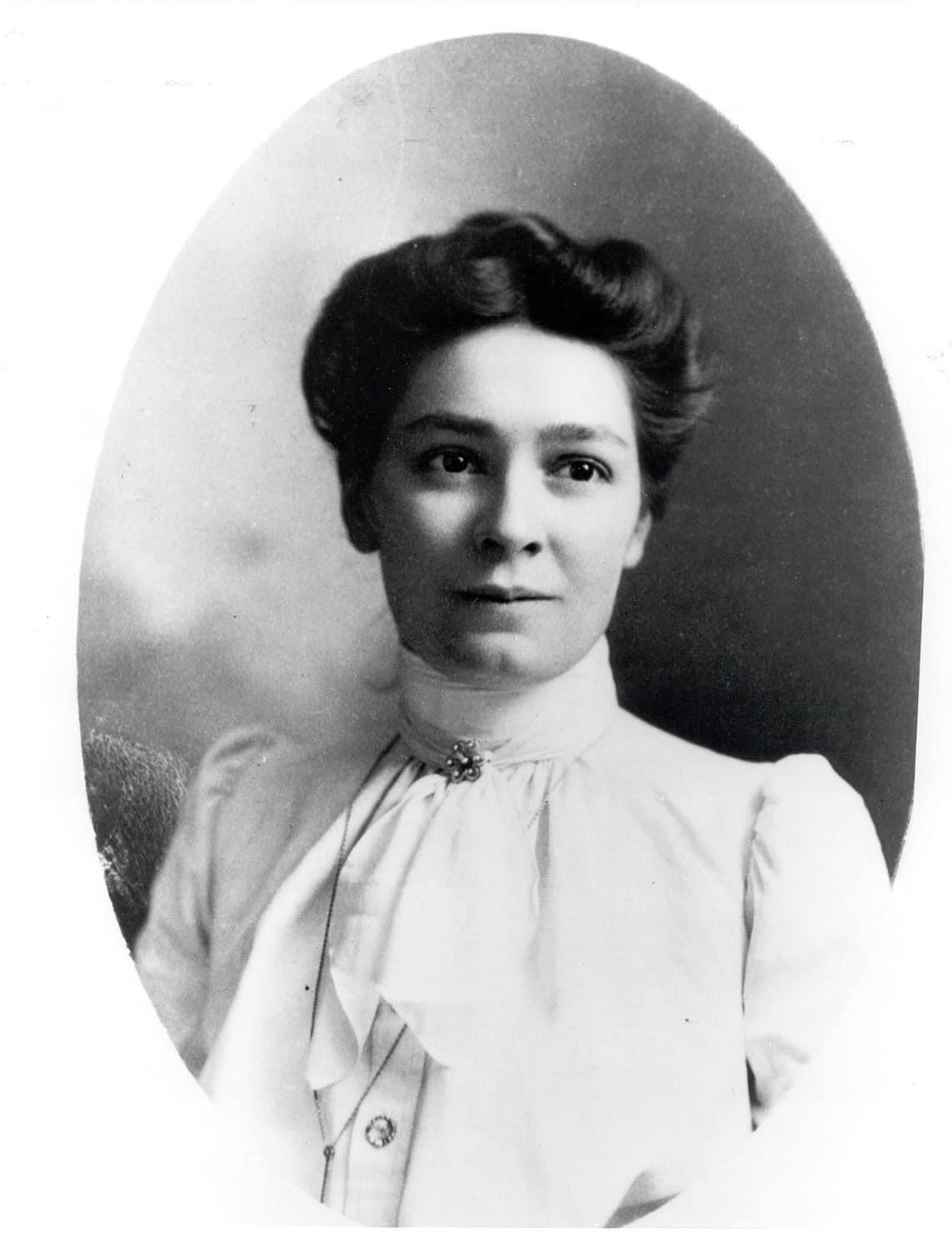
Bertha Lamme Feicht, the first female to receive a degree in mechanical engineering from Ohio State University, was born on December 16, 1869 in Clark County, Ohio.
Image via Wikimedia Commons, no known restrictions
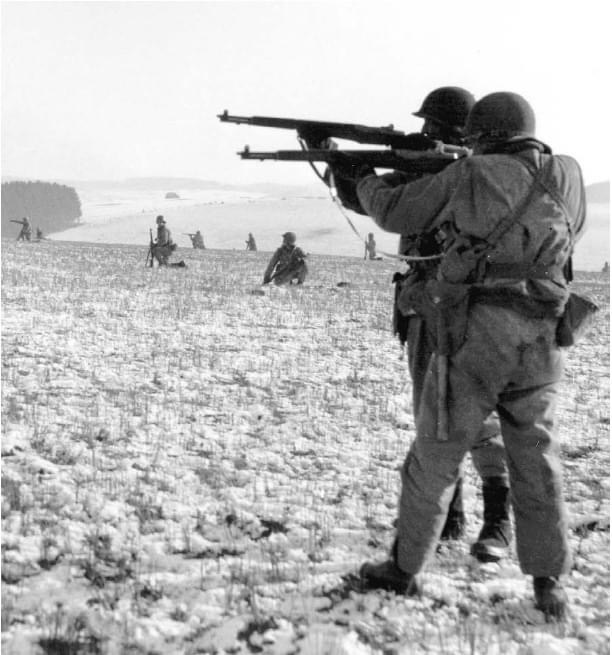
Beginning on December 16, 1944, US forces were surprised by German attacks in the Battle
of the Bulge. Along an 80-mile front there was widespread shock and confusion at first but stubborn resistance by G.l’s slowed, stopped, and eventually pushed the enemy back.
Image: US Army photograph via Wikimedia
Commons, public domain
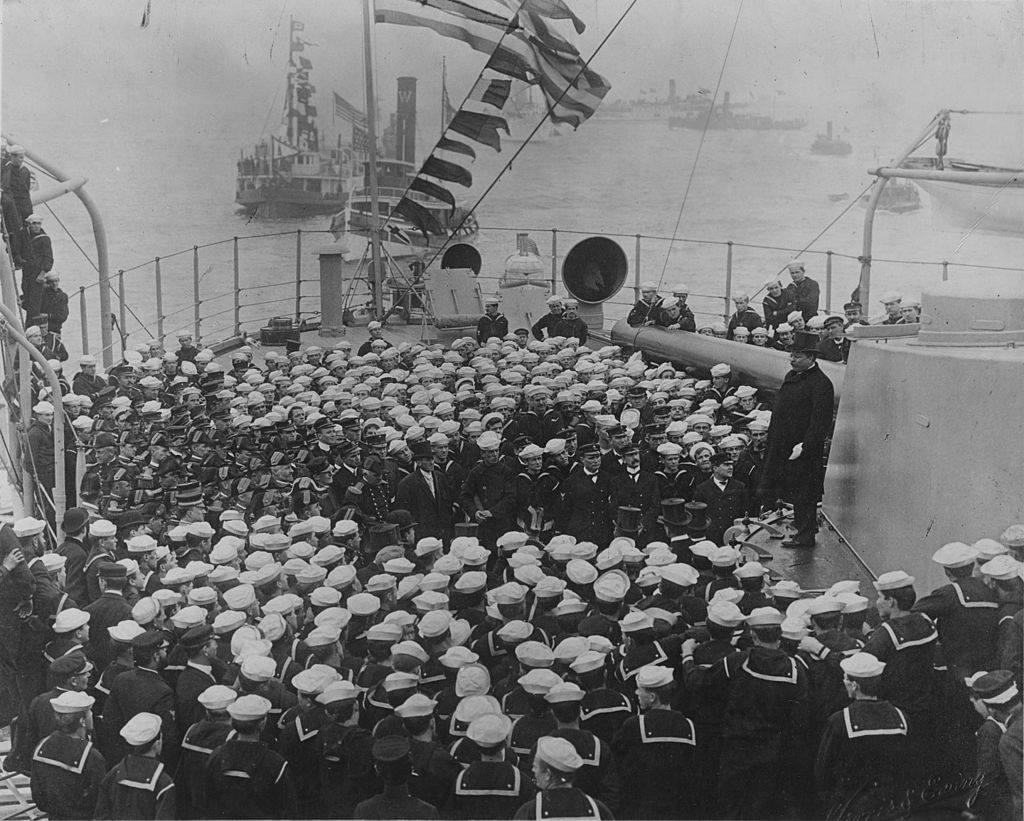
On today’s date December 16, 1907, The U.S. Navy Battle Fleet (nicknamed The Great White Fleet for the hulls of the ships which were painted white) departed Hampton Roads, Virginia to circumnavigate the world. The journey was a demonstration of America’s military might ordered by President Theodore Roosevelt and coincidentally began on the 134th anniversary of The Boston Tea Party.

On December 16, 1941, eight days after President Roosevelt’s “Day of Infamy” speech that declared war on Japan the USS Swordfish became the first US Naval submarine to sink a Japanese ship.
Image from NARA via Wikimedia Commons, public domain in the US.
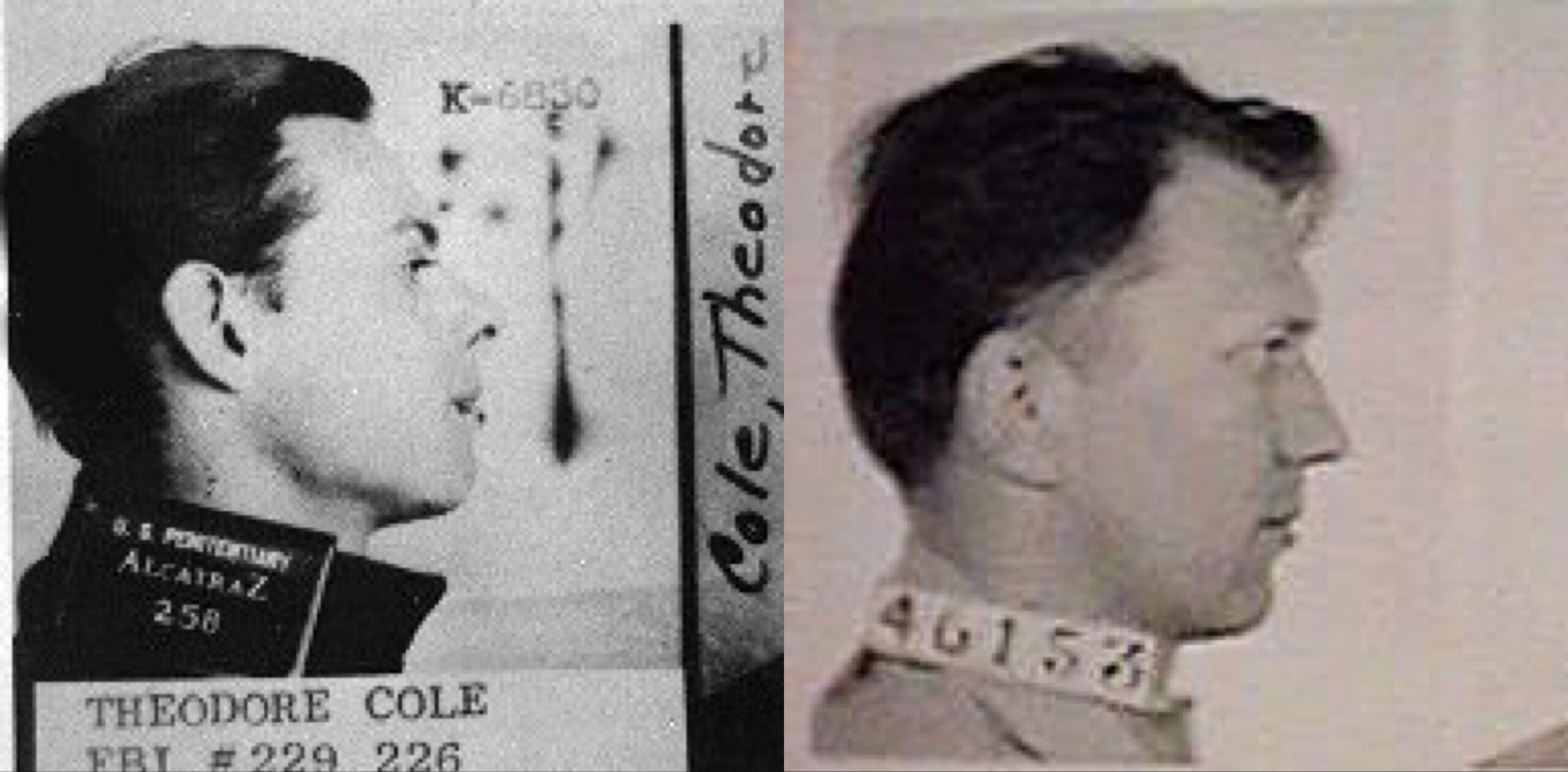
The second documented escape from Alcatraz occurred on December 16, 1937.
The two prisoners, Theodore Cole and Ralph Roe managed to escape through an 18” hole that was cut out of a window made of heavy glass and then through a gate to access the beach.
While it was believed that they could have never survived the cold temps and the rough ocean, their remains were never found.
Sightings were reported years after the escape, as far away as South America.
Images via Wikimedia Commons, public domain in the US.
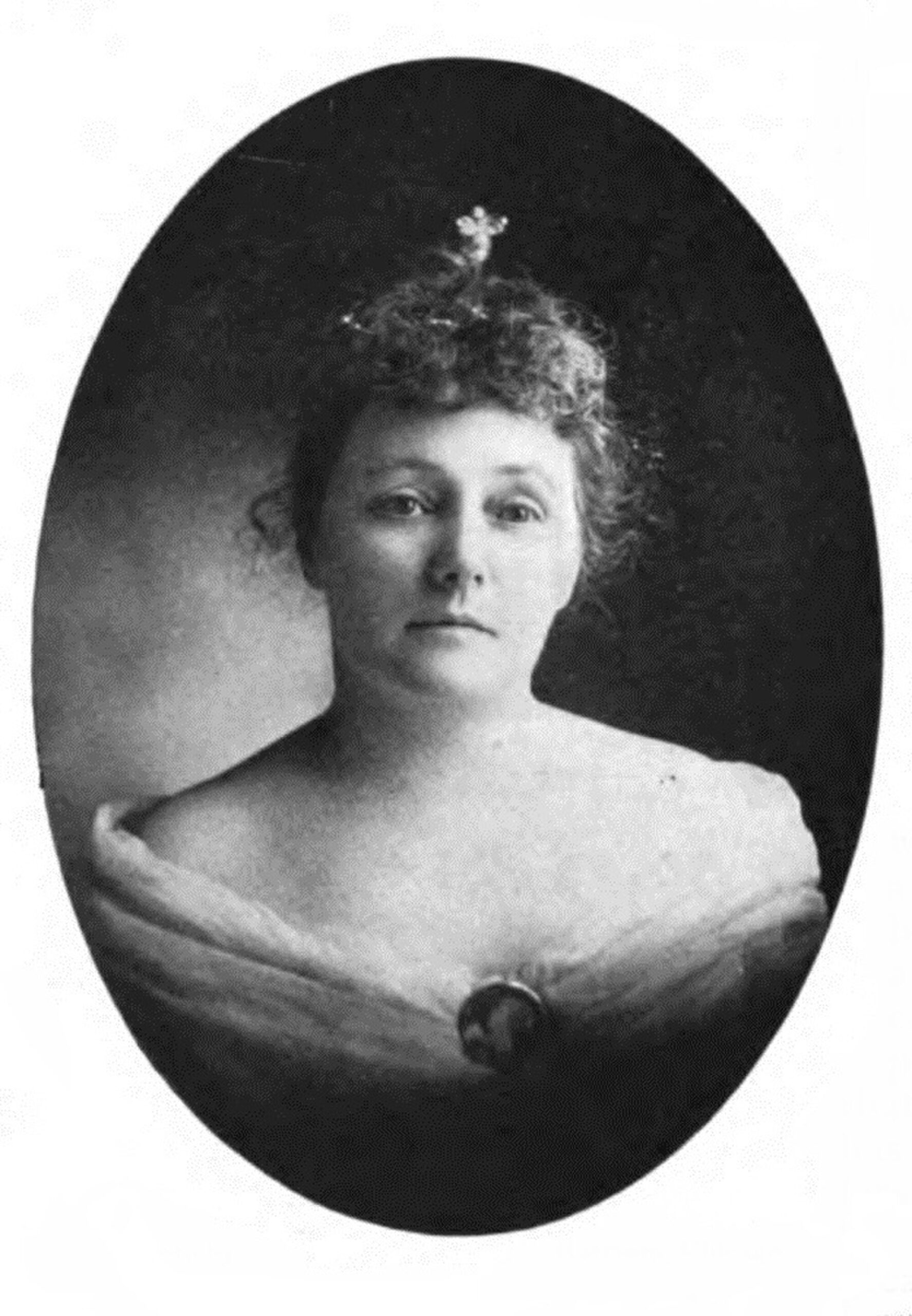
American writer Mary Hartwell Catherwood was born on December 16, 1847 in Luray, Ohio.
She wrote a poem in the 1860s titled
REBUKED.
A sunset view, a spreading land, The girl could from that stile command.
She put the basket out of hand. With brows as dark as brooding elf, She leant, a slender weary self.
Against the fence’s jutting shelf. The blood upon her finger-tips Had oozed through berries’ bruised lips; Her eyes were blank with some eclipse.
“I know the meaning of to be. Much else has not been granted me; I hate this life! I will be free!”
She looked along the purpling sky. The soul of genius in her eye; Then threw the blanky mantle by.
Oh, tints and glows of dying day. We never feel what thou wouldst say.
That thus the claimed may pass away.
A voice came in from all around — Was centered to one silent bound — God’s voice hath never need of sound.
She felt the spell of Majesty; “I will that thou should’st toil for Me; I labored once beyond the sea.
“My wounds have borne their crimson fruit, Whose seeds must in each heart take root. Be like Me, — wounded; like Me — mute.”
The girl her sad rebuked face Raised from the crumbling stile, to trace In lighted clouds His robes of grace.
She took her heavy basket up; Her heart was like a lily cup, Dew-filled, whereof might others sup.
“On God’s good time,” she said, “wait I, For He will shape my destiny; His gifts can never buried lie.
“I have been pitiful with pride. He leads me; I am by His side. I will be meek — I will abide,”
Image via Wikimedia Commons, public domain in the US.
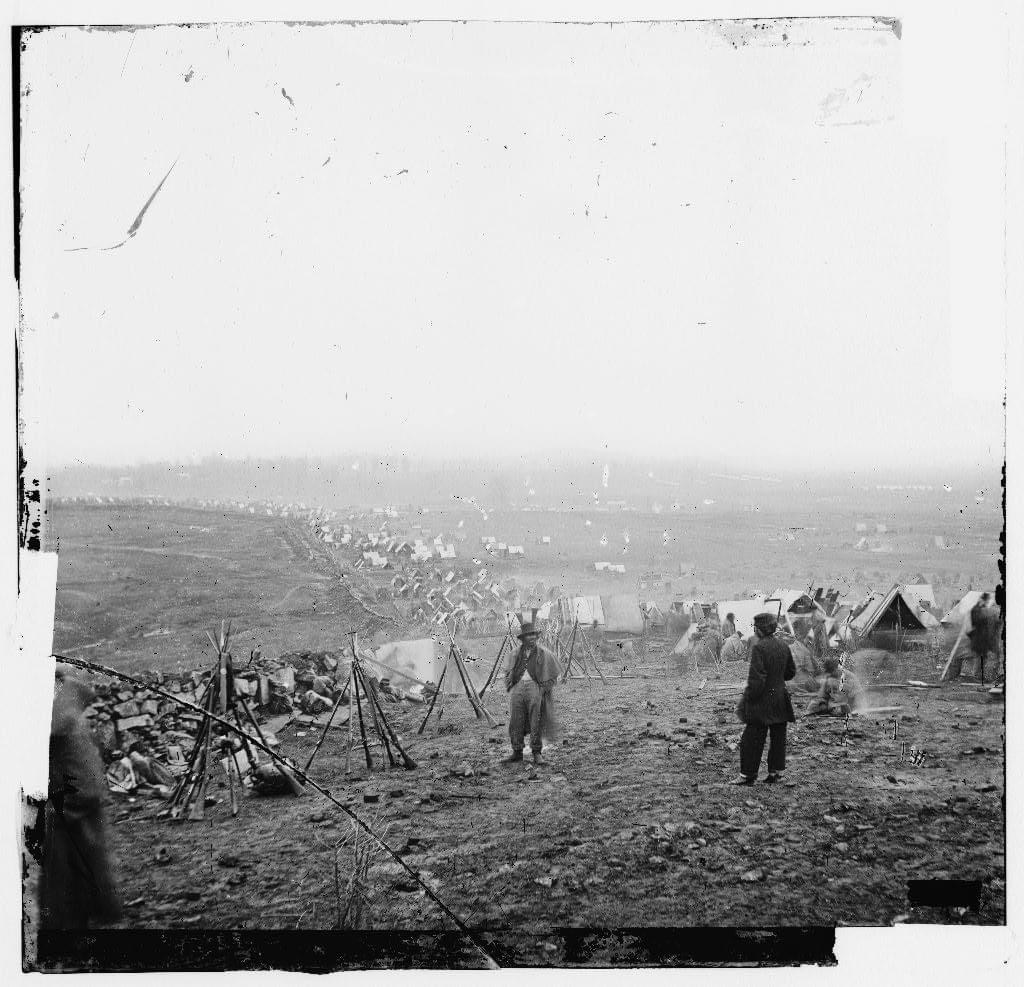
Nashville, Tenn. Federal outer line
Date created or published:
December 16, 1864
Image via Library of Congress, no known restrictions
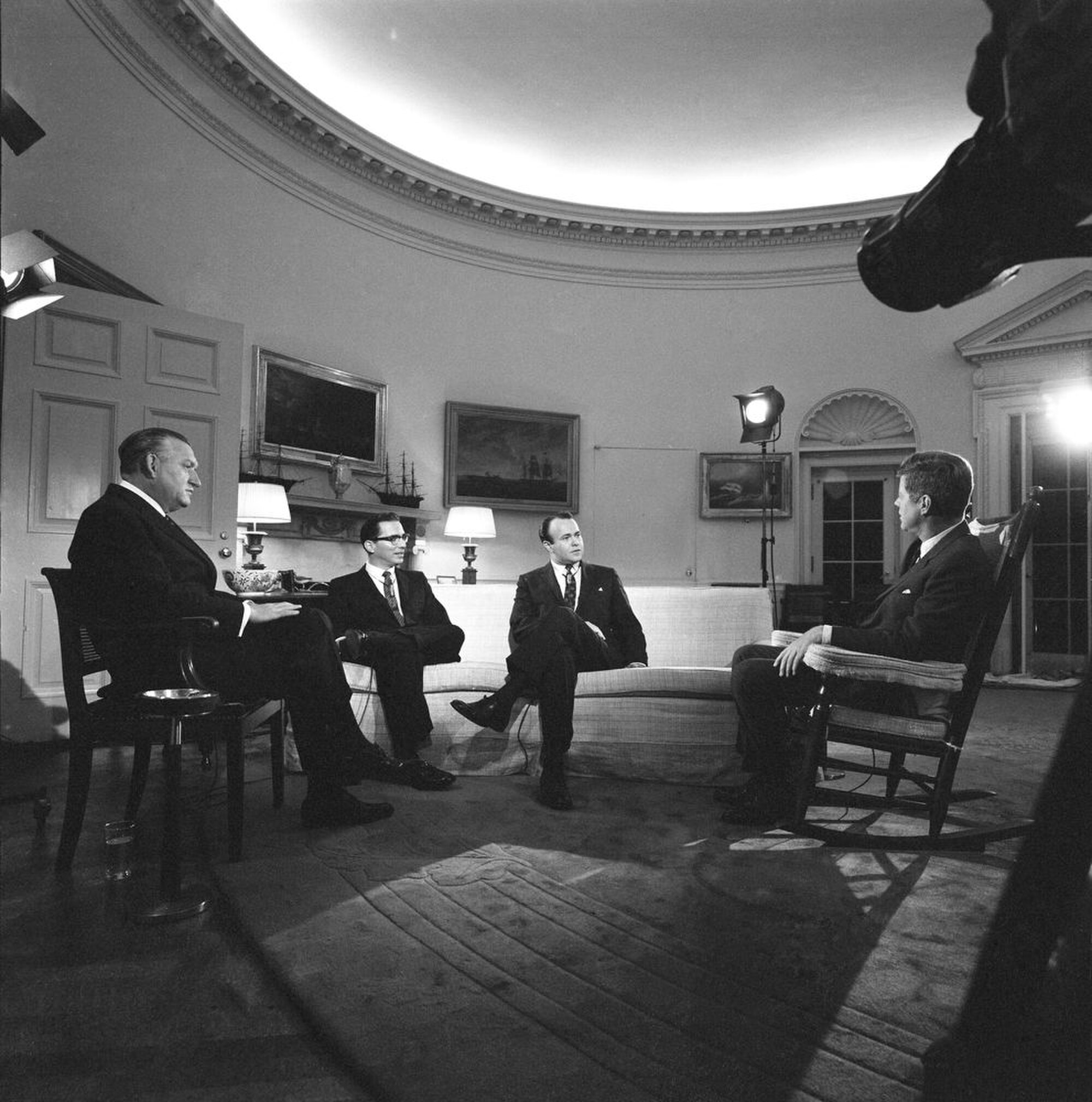
JFK sits with journalists from ABC, NBC & CBS for “After Two Years: A Conversation with the President” on December 16, 1962.
Image via
Wikimedia Commons, no known restrictions
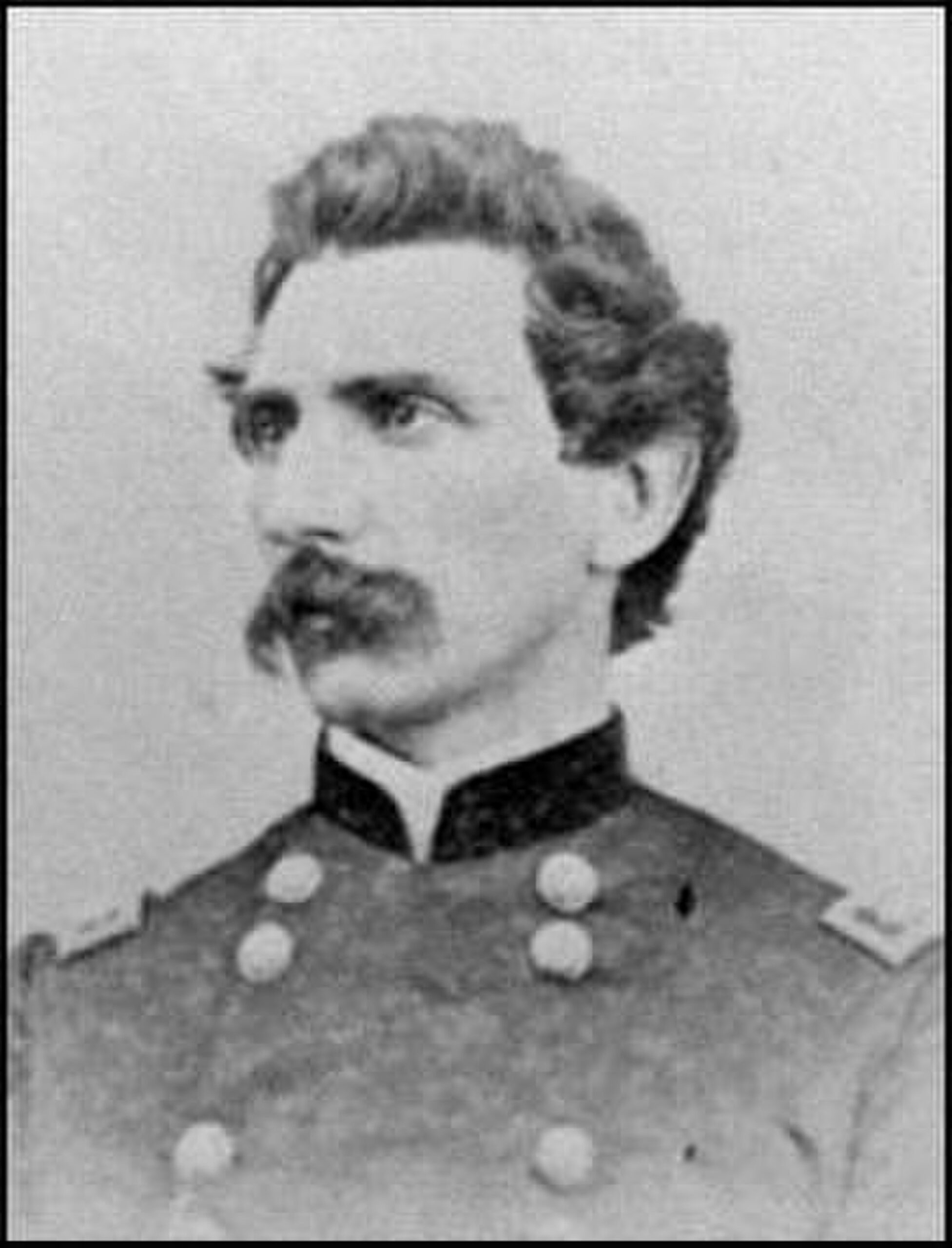
Union Officer, Medal of Honor recipient and the 17th Governor of Pennsylvania, John F. Hartranft, was born on December 16, 1830 in Montgomery County, Pennsylvania.
He read the death warrant before the execution of the conspirators of Lincoln’s assassination in 1865.
Image via Wikimedia Commons, public domain
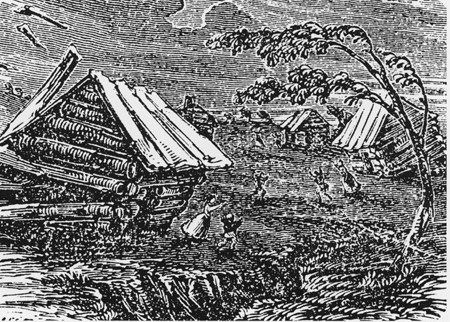
On December 16, 1811, the powerful New Madrid Earthquake (nearly the magnitude of the 1906 earthquake in San Francisco) occurred in the sparsely settled Mississippi River valley.
According to one account, the tremors were so great that river banks fell into the Mississippi and boats were violently moved as if in a storm.
The earthquake was so strong, that the flow of the Mississippi River was temporarily reversed.
Image via Wikimedia Commons, public domain
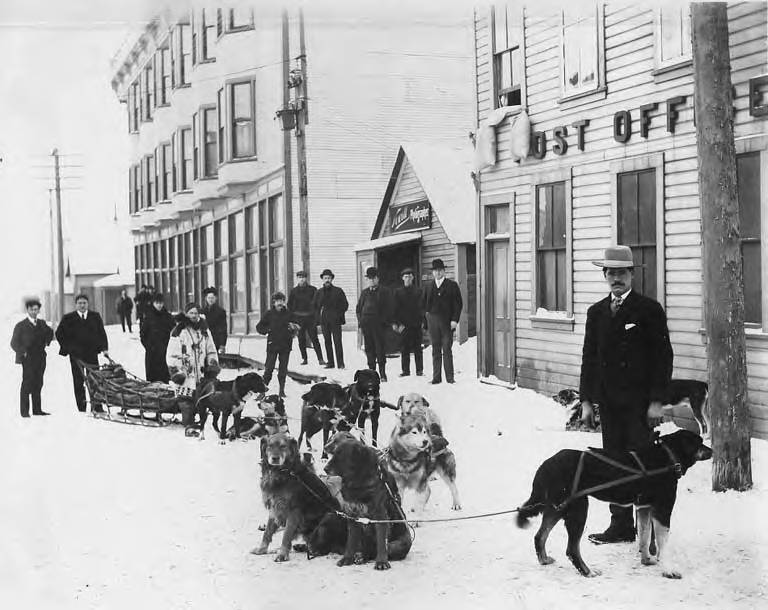
Mail being delivered by dog sled outside the Post Office, next to Nowell Photography studio, Nome, Alaska, December 16, 1905
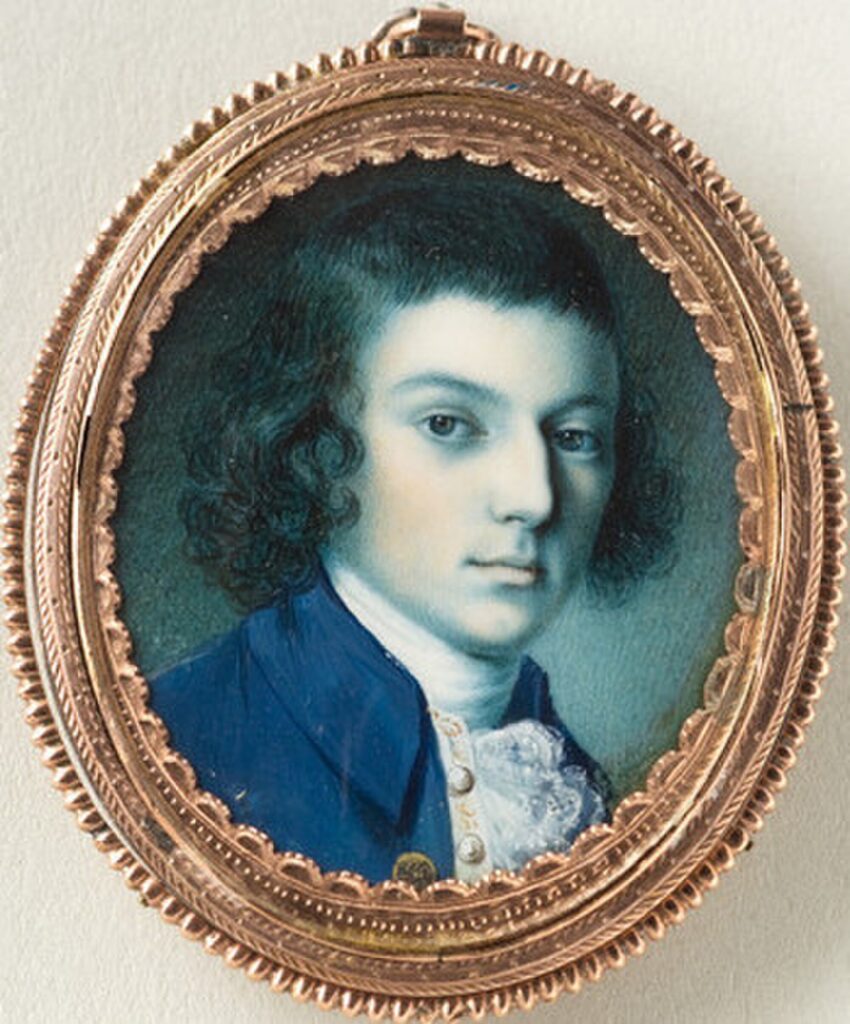
On December 16, 1770, George Washington wrote to Rev. Jonathan Boucher of Annapolis, school prefect and tutor to his stepson John ‘Jacky’ Custis (shown). Deeply invested in Jacky’s future as Martha’s only surviving son and heir to the Custis fortune, Washington had placed him deliberately distant from Mount Vernon to curb distractions. In his letter, Washington lamented that Jacky’s mind was ‘released from study’ and absorbed instead in dogs, horses, guns, and equipage—a candid glimpse of his struggle to instill discipline.
Sadly, Jacky would pass away just eleven years later, after joining Washington’s camp at Yorktown in 1781, at the age of 26.
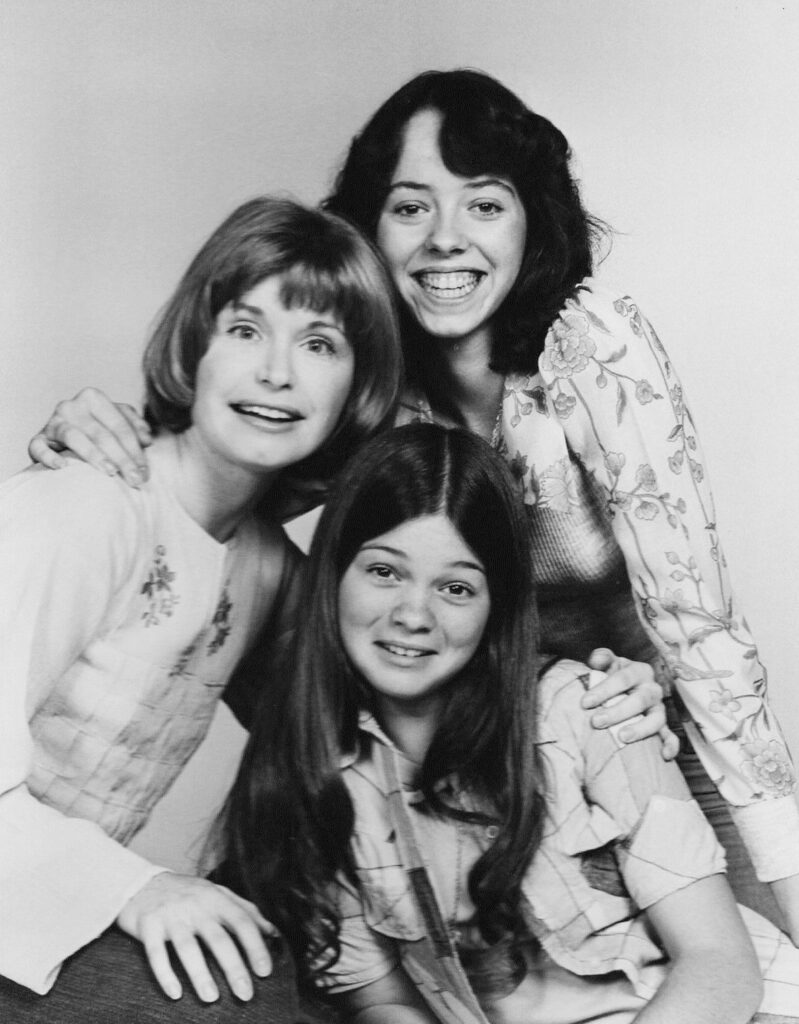
On December 16, 1975, CBS premiered One Day at a Time, a sitcom that highlighted how one family navigated life’s challenges with humor and resilience. Audiences met a single mother and her daughters facing everyday struggles together — a story that resonated across generations.
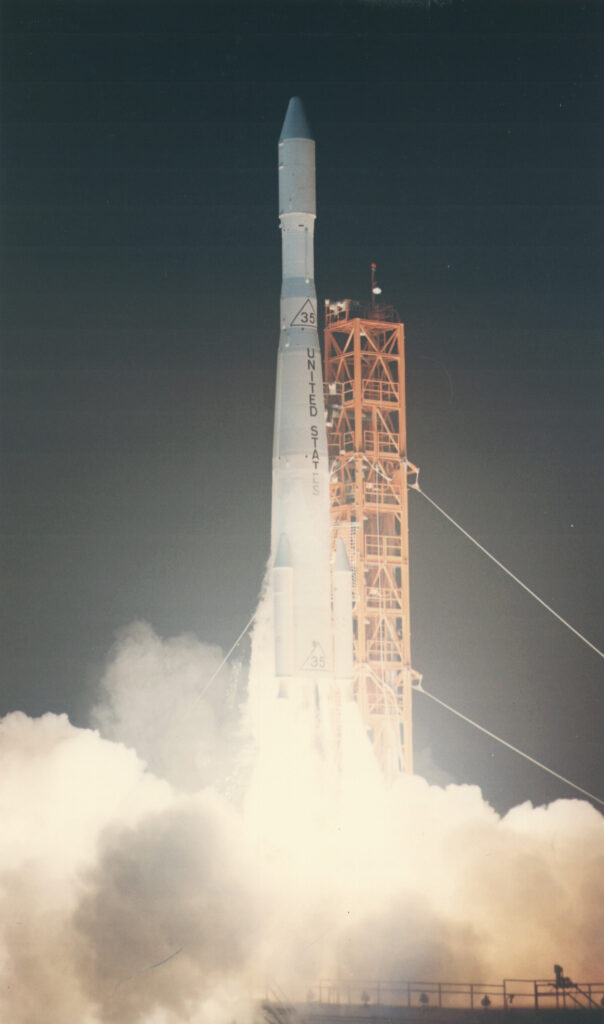
On December 16, 1965, NASA launched Pioneer 6 to study the Sun from a solar orbit between Earth and its star. Expected to last only six months, it endured for decades, with a final signal received in December of 2000. Today, the spacecraft is believed to still circle the Sun — a silent witness to the dawn of space exploration.
