
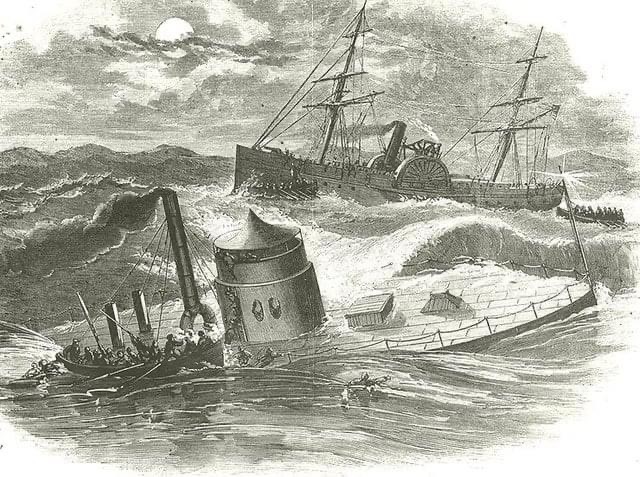
The Navy’s first ironclad vessel, the USS Monitor, sank in rough seas off Cape Hatteras, North Carolina on December 31, 1862. Boats from the nearby USS Rhode Island rescued 47 of the Monitor’s crew but 4 officers and 12 sailors were lost when the ship went down.
Image: USNHHC via Wikimedia Commons, public domain
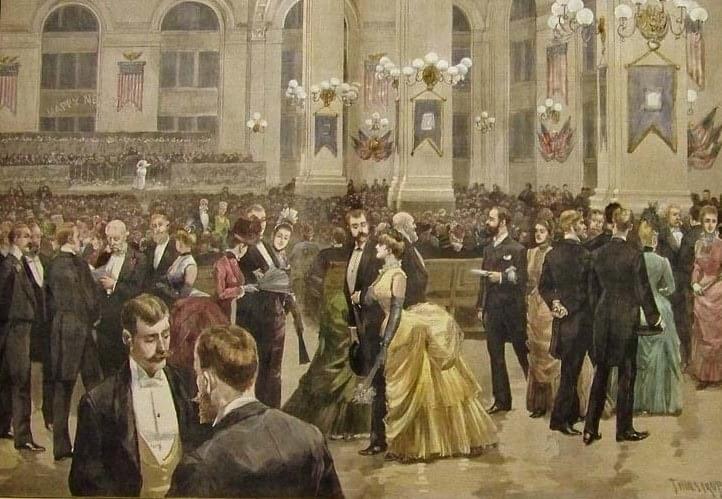
New Year’s Eve concert at the Produce Exchange building in New York
– 1887
via Wikimedia Commons, public domain
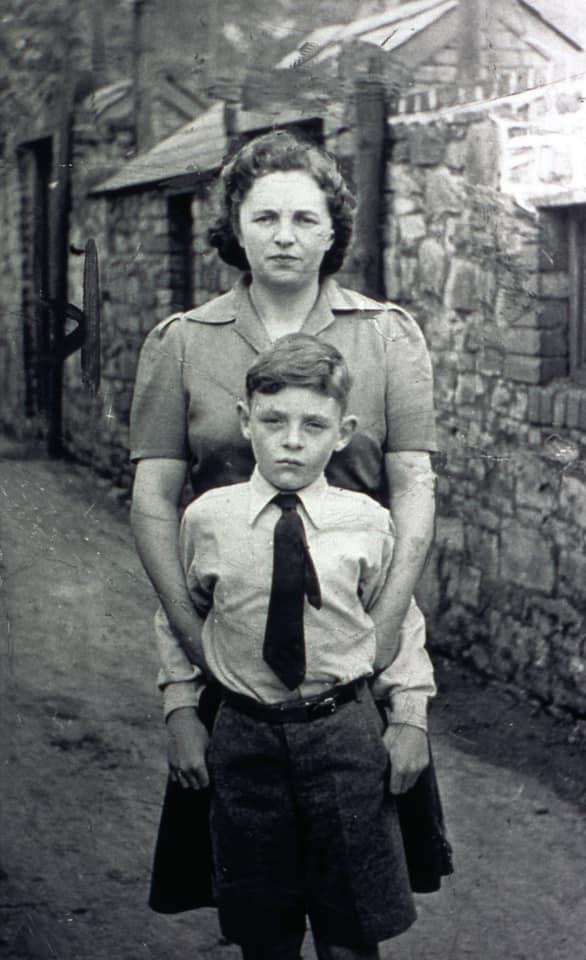
Welsh born Anthony Hopkins with his mother in the 1940s
He was born on December 31, 1937.
In 2000, Anthony Hopkins became an American Citizen.
Image via Alamy
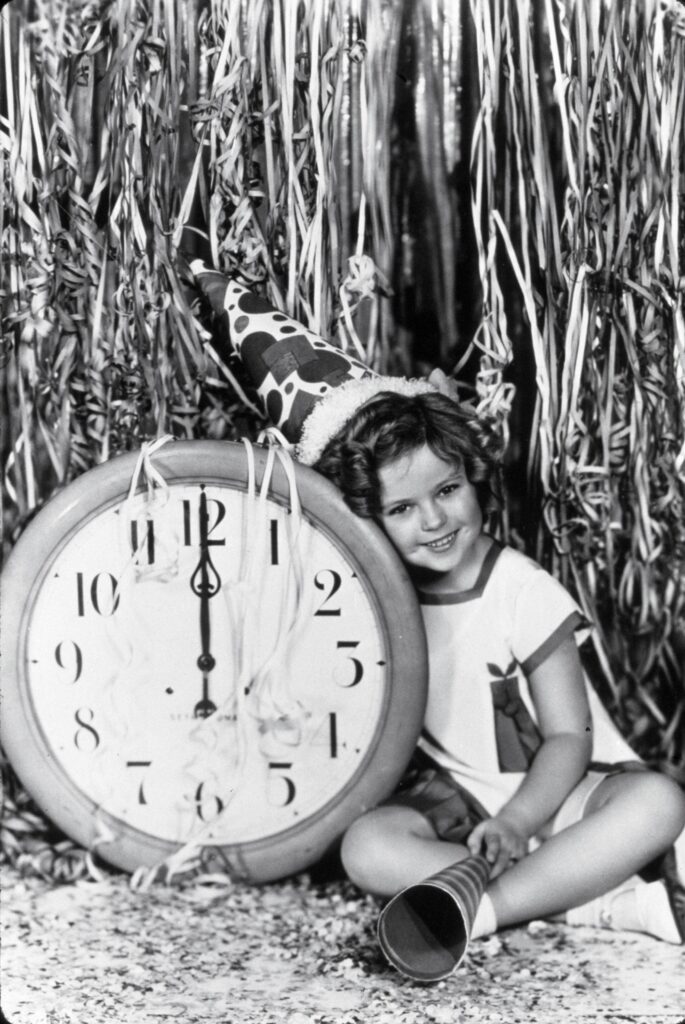
Shirley Temple ringing in the New Year
1935
Image via Alamy
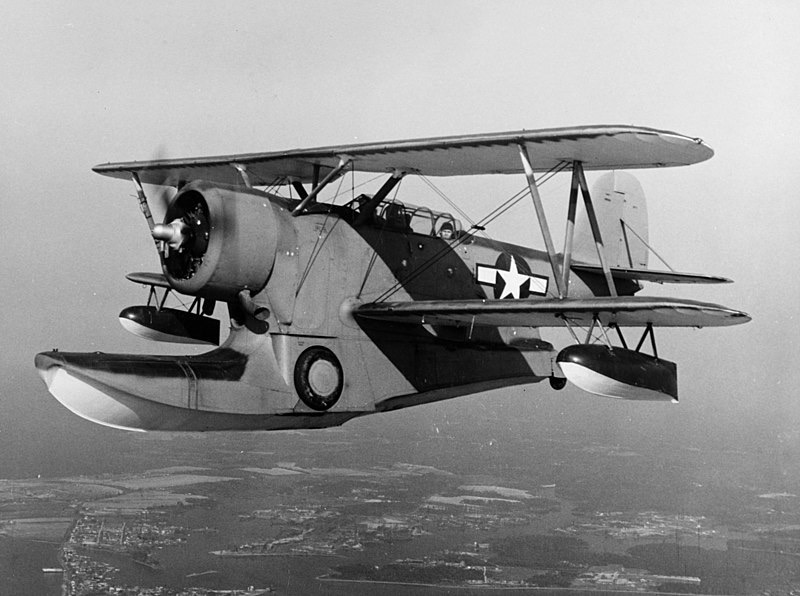
A Grumman J2F-6, known as a “Duck,” photographed in flight on December 31, 1943. This particular Duck is the naval variety, but variants were used by the Army Air Forces, Marines, and Coast Guard. Ducks flew as transports, for mapping and scouting, for air-sea rescue, and as target-towing planes.
Image from USNHHC via Wikimedia Commons, public domain in the US.
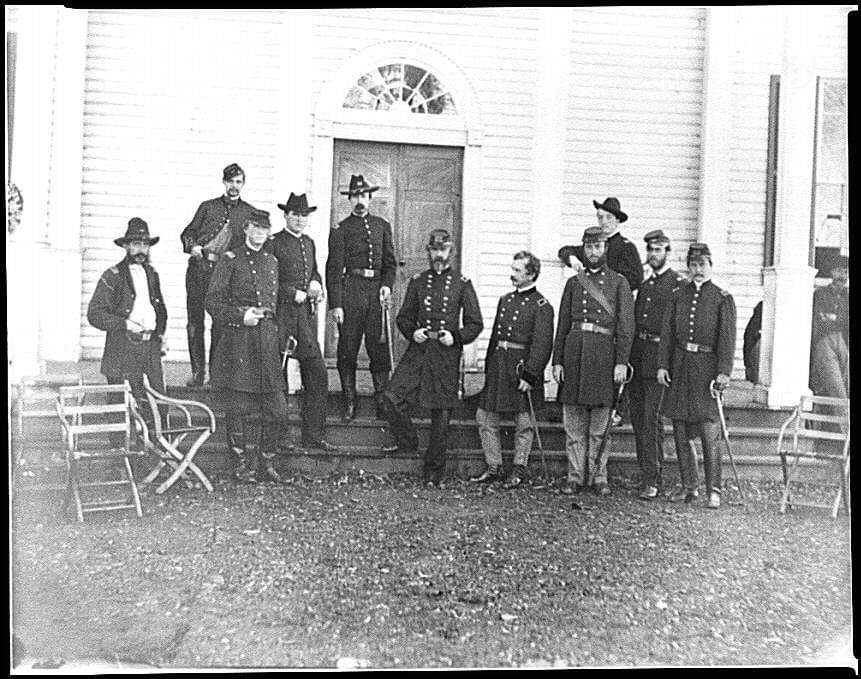
Born December 31, 1815, George G. Meade had been in command of the Army of the Potomac only three days when he led it to victory at the Battle of Gettysburg. He served under General Grant through the rest of the Civil War but died at 56 from complications of his wounds.
Image: Culpeper, Va. Gen. George G. Meade and staff on steps of Wallack’s house in 1863
from LOC via Wikimedia Commons, public domain
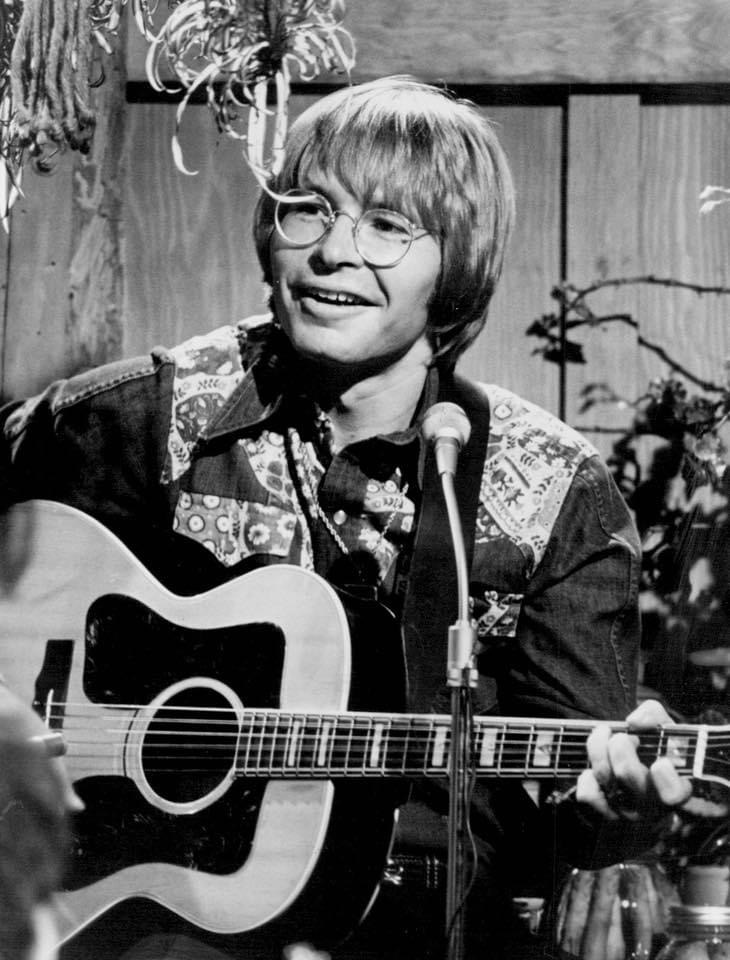
American musician John Denver was born on December 31, 1943 in Roswell, New Mexico.
Photo: John Denver performing during his 1975 TV special “An Evening With John Denver”
ABC Television • Public domain via Wikimedia Commons
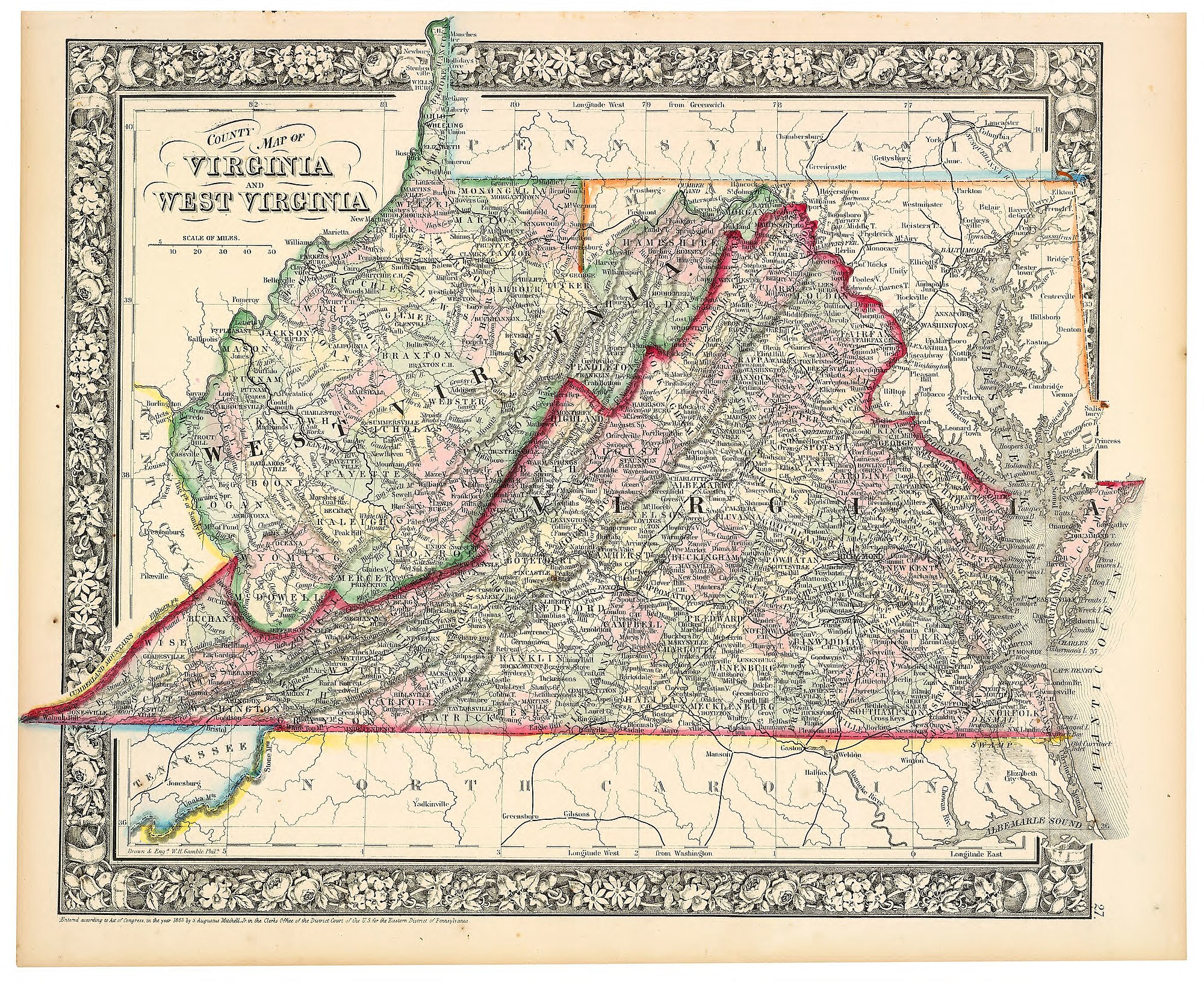
On December 31, 1862, Abraham Lincoln signed an act that admitted West Virginia to the Union. West Virginia would officially become a state the following June.
Image of County map of Virginia and West Virginia c. 1863 via Wikimedia Commons, public domain
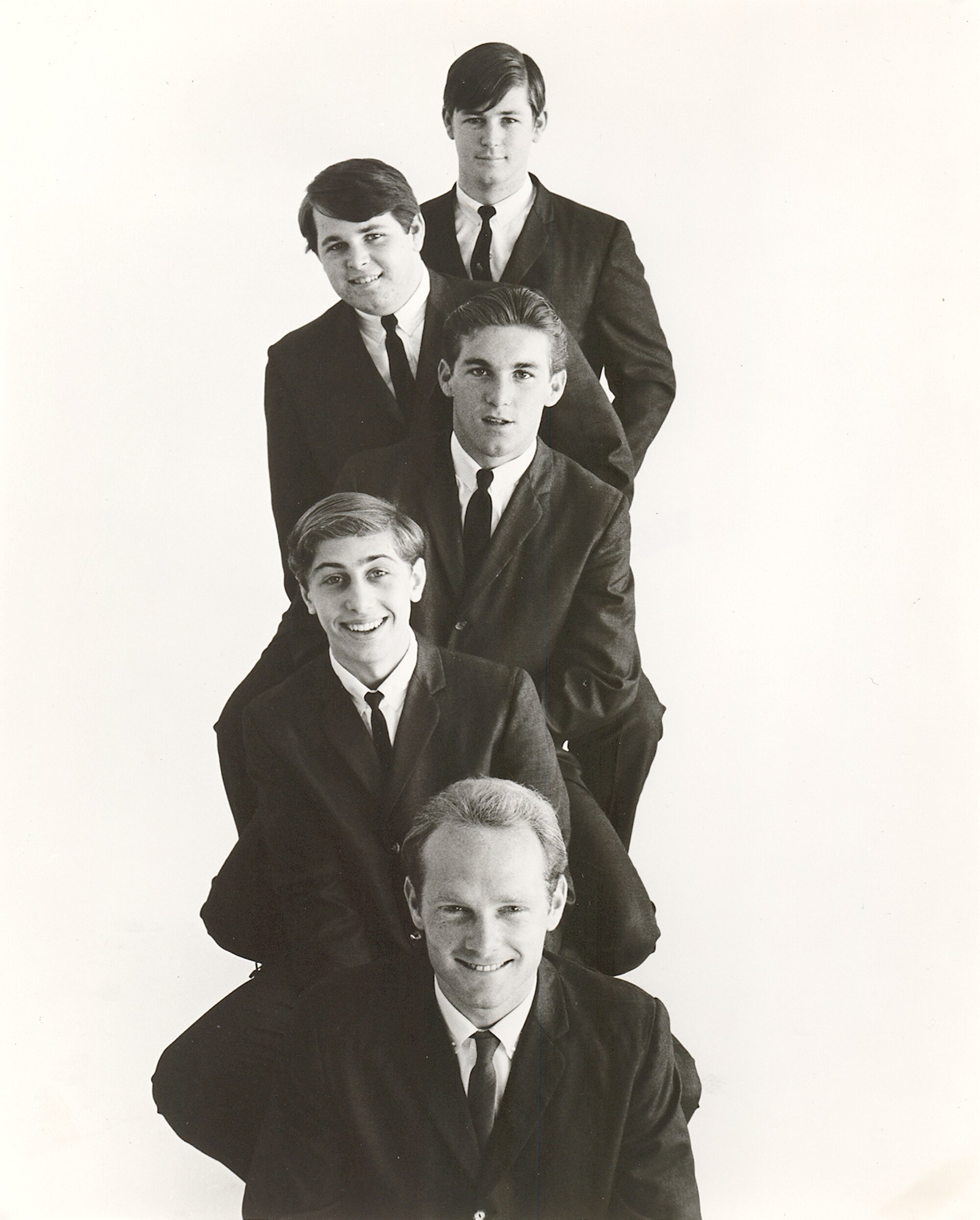
On December 31, 1961, The Beach Boys appeared for their first paid performance at the Ritchie Valens Memorial Dance in Long Beach, California.
Image via Wikimedia Commons, public domain.
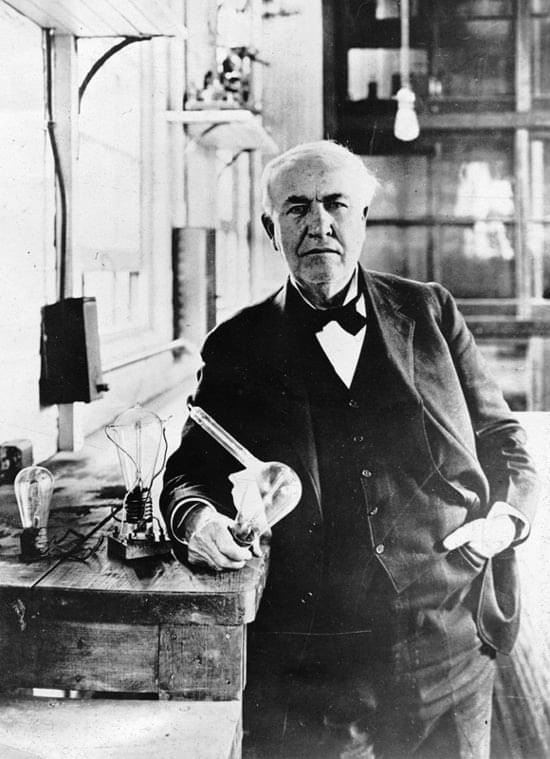
The world changed forever on December 31, 1879 when, in Menlo Park, New Jersey, Thomas Edison demonstrated the incandescent light bulb he had developed. He stated “We will make electricity so cheap that only the rich will burn candles.”
Image from NARA via Wikimedia Commons, public domain.
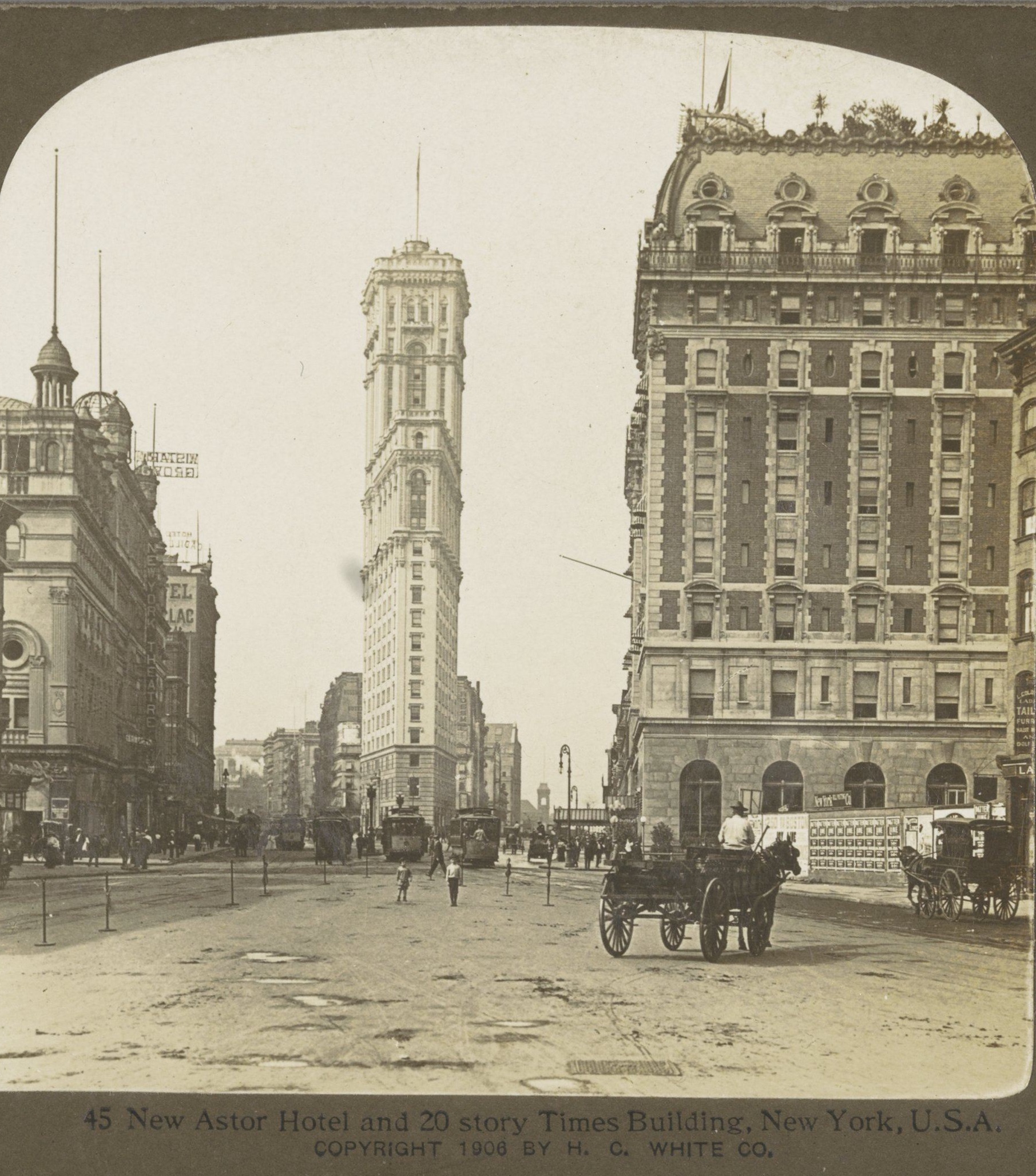
A view of Times Square in New York City in 1906 which was the year before the first ball was dropped at Times Square on New Year’s Eve in 1907.
Image via Wikimedia Commons, public domain
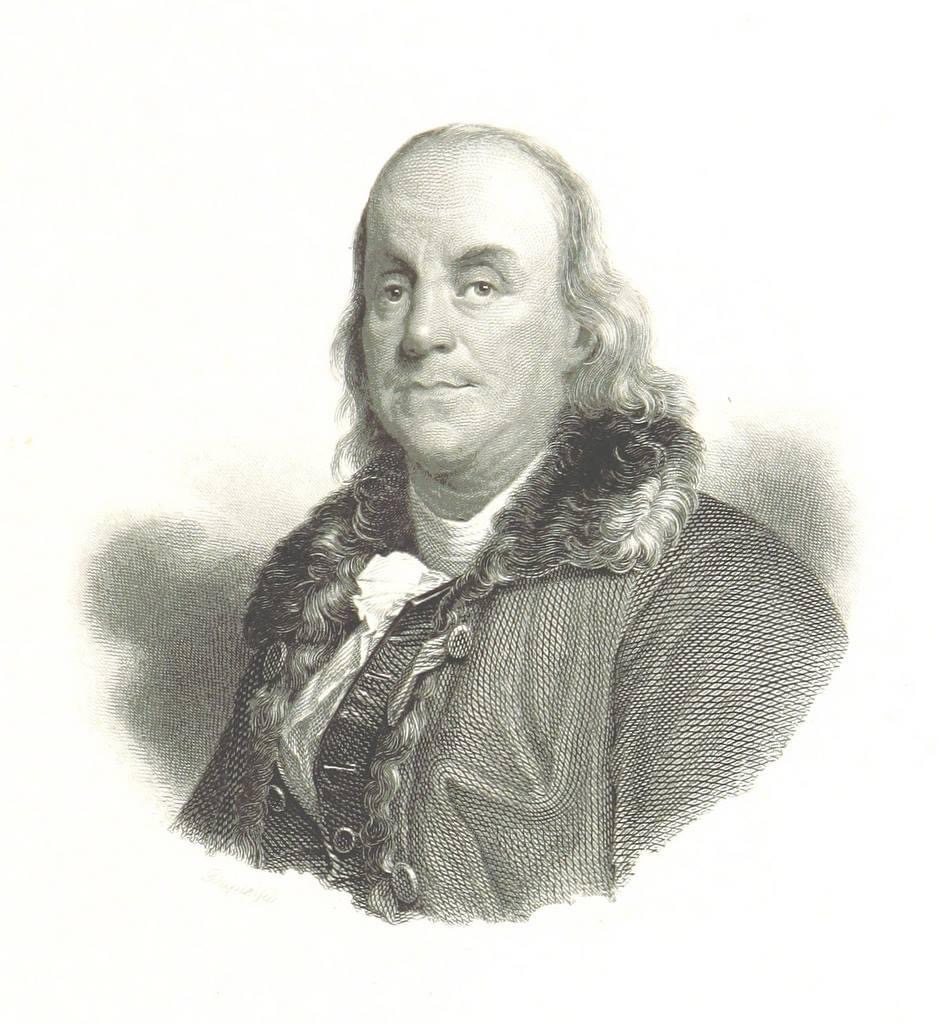
“Be at war with your vices, at peace with your neighbours, and let every new-year find you a better man.”
From: Poor Richard’s Almanack by Benjamin Franklin
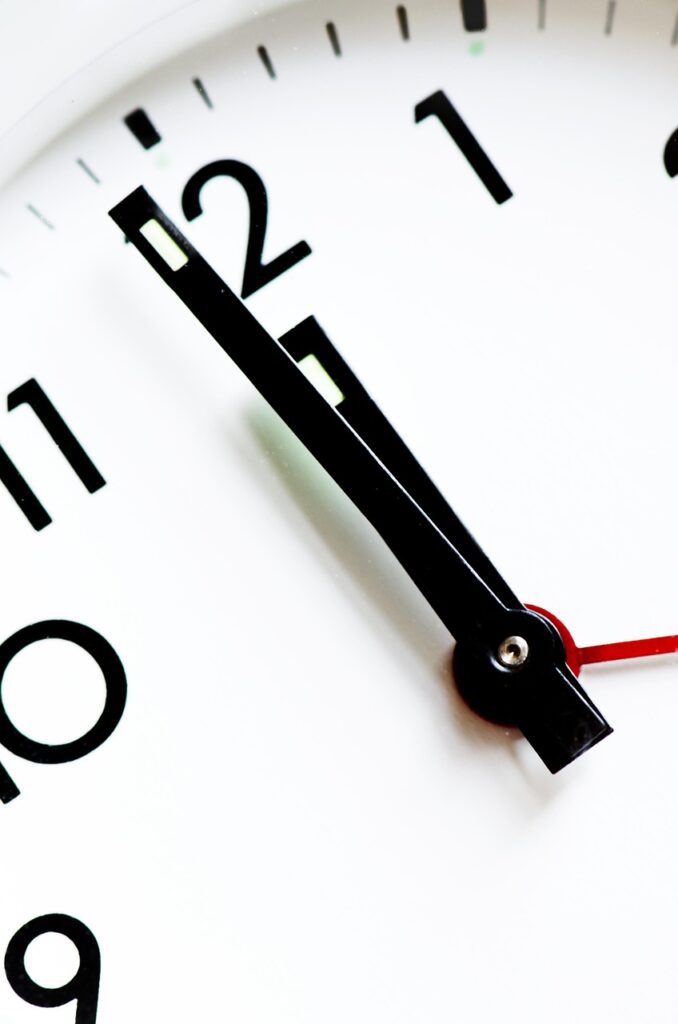
Why 1972 Was the Longest Year in Modern History…by Two Extra Seconds
Under the rules of modern timekeeping, 1972 stands alone as the longest year ever measured. It was already a leap year with 366 days, but it became even longer when scientists added two leap seconds—one on June 30 and another on December 31—to keep our perfectly steady atomic clocks aligned with Earth’s slightly slowing rotation. On those nights, clocks around the world displayed the rare timestamp 23:59:60, stretching the year to 31,622,402 seconds.
Leap seconds exist because Earth doesn’t spin with machine precision. Tides, winds, and the shifting of the planet itself cause tiny irregularities that atomic clocks don’t share. By 1972, the drift had grown large enough that timekeepers had to correct it twice, something that has never happened before or since.
For those who look deeper into the past, the true “longest year” belongs to 46 B.C., when Julius Caesar added 85 days to repair the failing Roman calendar. But within the era of scientific timekeeping, 1972 remains the only year that literally lasted longer than all the others—one second at a time.
