
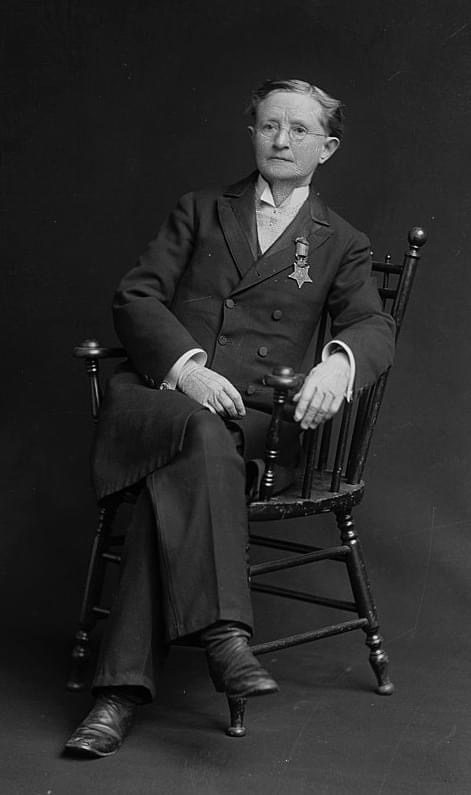
Dr. Mary Walker, surgeon during the American Civil War wearing her Medal of Honor Mary Walker was born on November 26, 1832 in Oswego, New York. Image via Wikimedia Commons, public domain
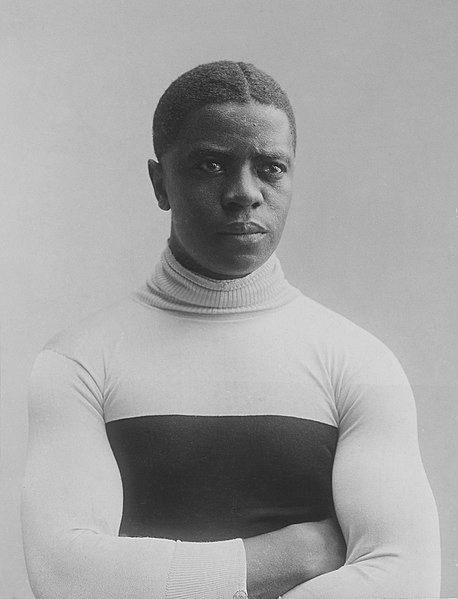
Born November 26, 1878 Walter “Major” Taylor was a champion bicycle racer who specialized in record-setting sprints. He faced considerable discrimination in the US but not so much when racing in Europe and Australia. Taylor died at 53 and was buried in an unmarked grave until bicycle company owner Frank Schwinn paid for a headstone. Image from National Library of France via Wikimedia Commons, public domain.
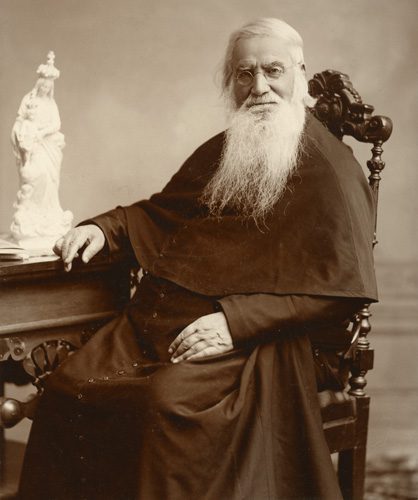
On today’s date November 26, 1842: Father Edward Sorin and his fellow Holy Cross confreres acquired 524 acres in Indiana. They named it “L’Université de Notre Dame du Lac” or The University of Our Lady of the Lake. Their institution was officially chartered a little over a year later as The University of Notre Dame. Photo: Father Edward Sorin via Wikimedia Commons
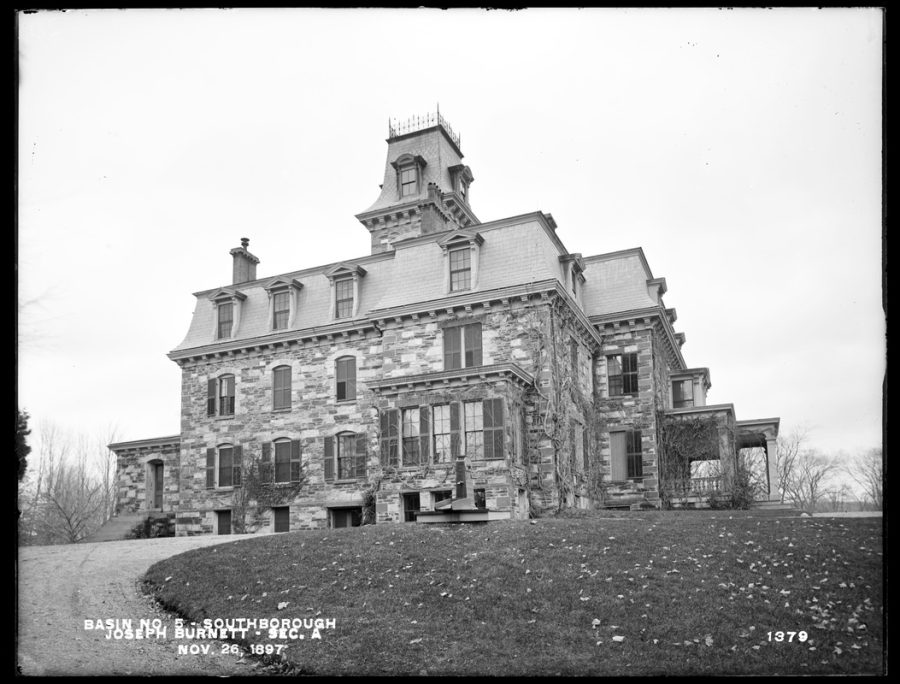
A photo of the Joseph Burnett House in Southborough, Massachusetts dated November 26, 1897. Burnett was an innovator of premium vanilla extract in the U.S. He and his wife had 12 children. While Burnett died three years before this photo was taken, the mansion stayed in the family until the late 1940s. Image via Digital Commonwealth Massachusetts, no known restrictions
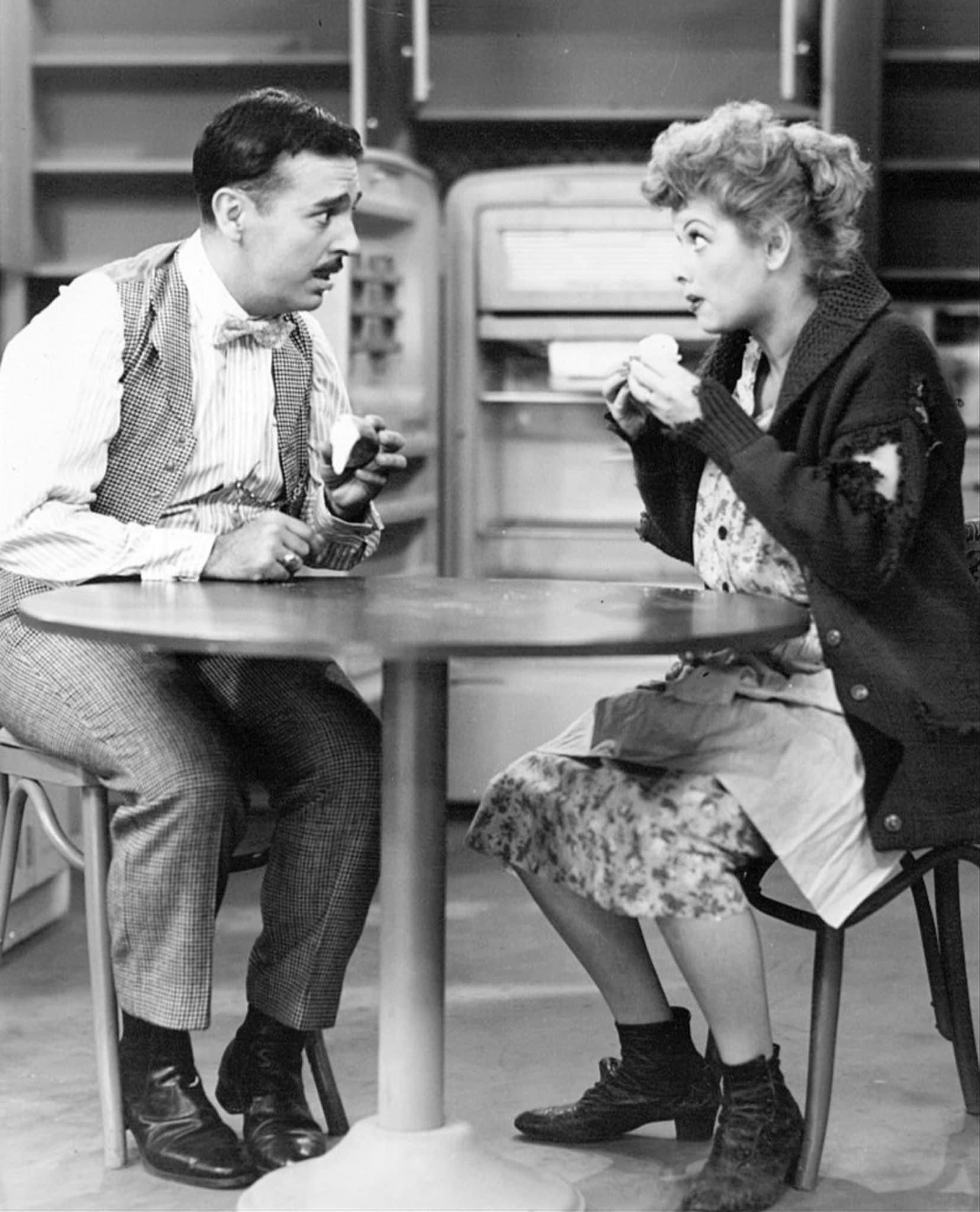
Tennessee Ernie Ford and Lucille Ball in 1956 On November 26, 1955 Tennessee Ernie Ford’s song “Sixteen Tons” became the #1 song in America Image via Wikimedia Commons, public domain
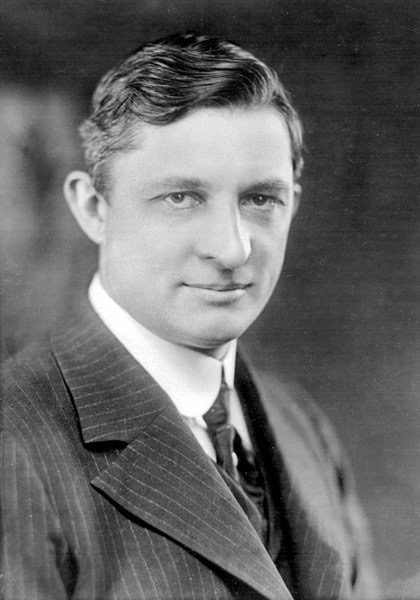
Engineer Willis H. Carrier, born November 26, 1876 could expound at length on relative and absolute humidity and dew-point depression but what he was really discussing was his invention of air conditioning systems in 1902. He founded the Carrier Corporation in 1915, transforming the season of summer. Image via Wikimedia Commons, copyright not renewed, public domain in the US.
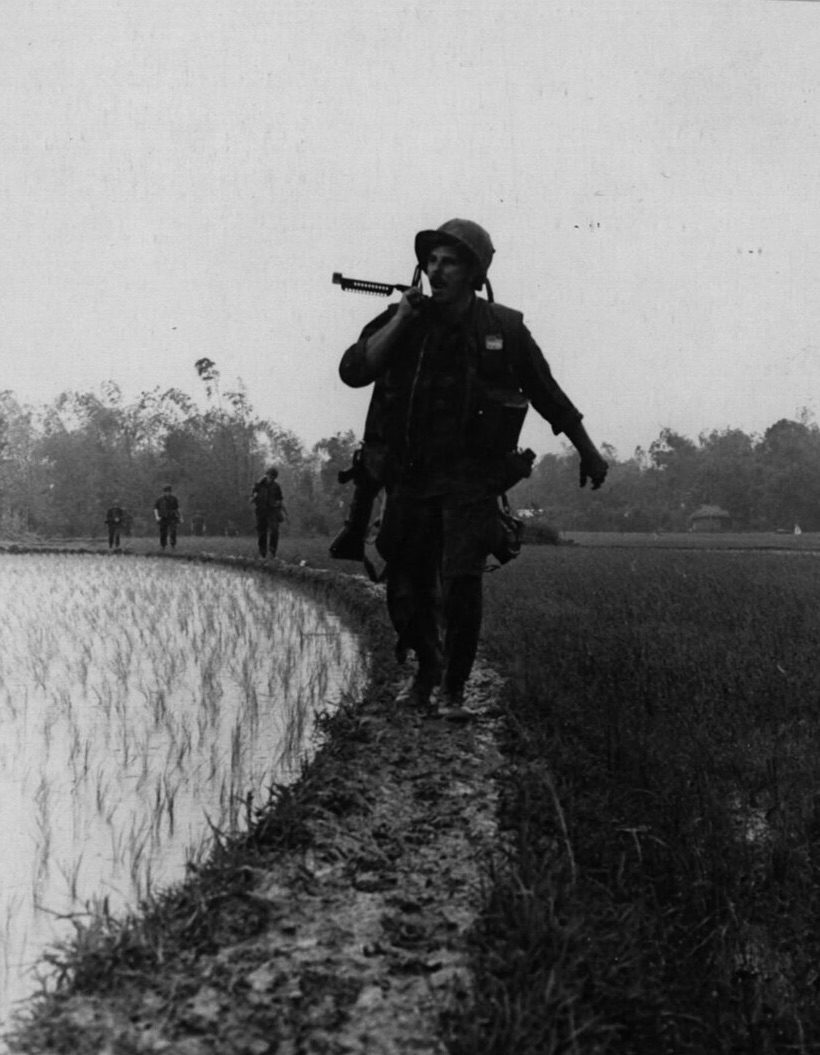
U.S. Marines walk on a slick, muddy rice paddy dike during a sweep in search of Viet Cong infiltrators November 26, 1970 via Wikimedia Commons, public domain
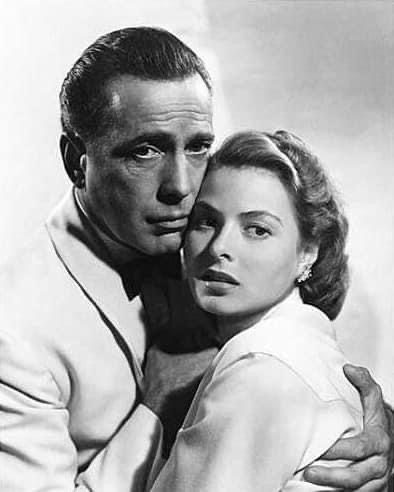
On November 26, 1942 Casablanca premiered at Hollywood Theatre in Manhattan, New York City. Image via Wikimedia Commons, public domain
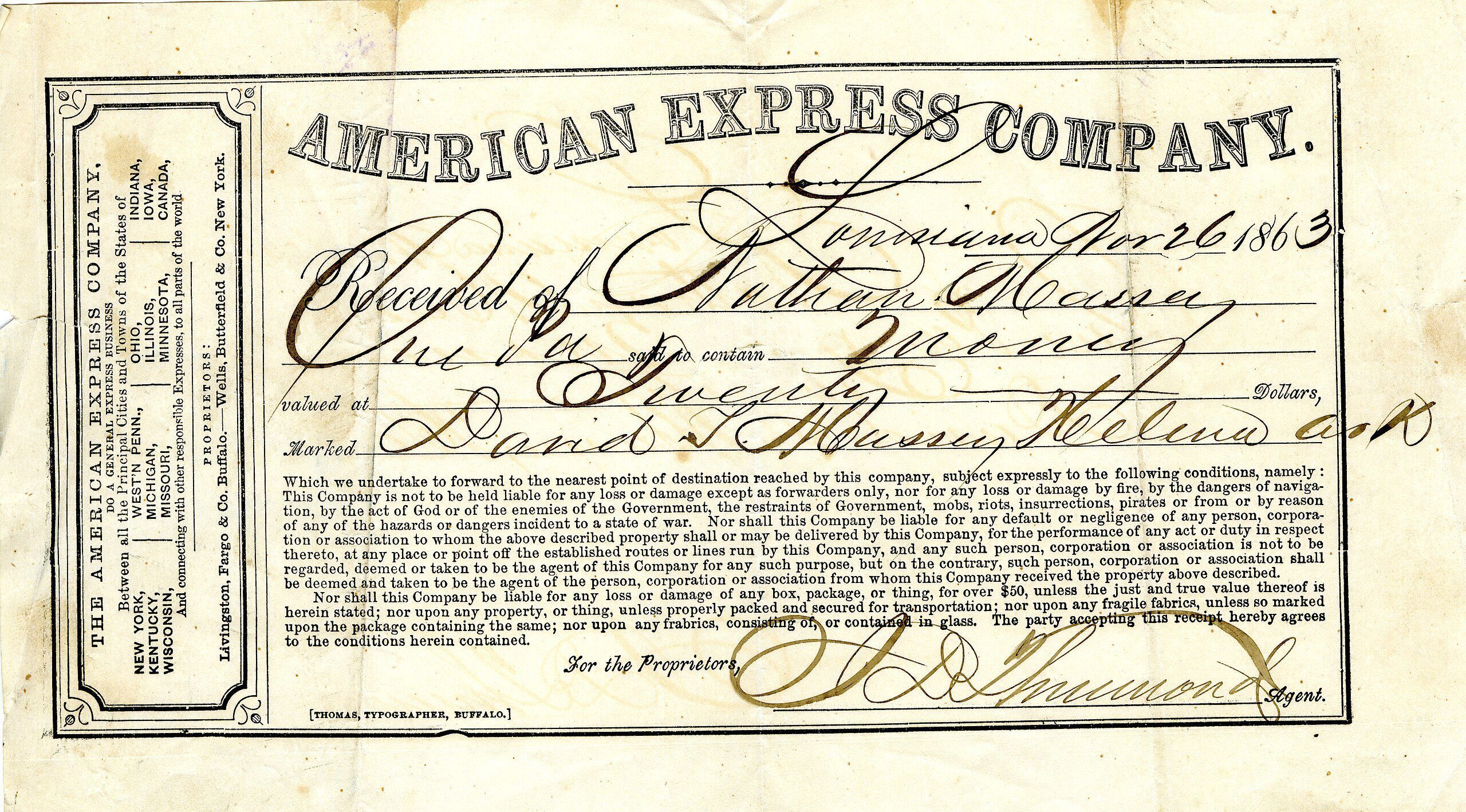
A receipt from the American Express Company dated November 26, 1863 in the amount of twenty dollars. Image via Wikimedia Commons, public domain
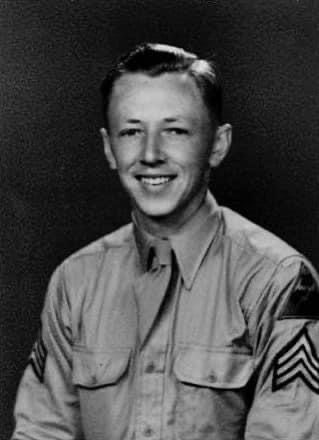
United States Army portrait of Sergeant Charles M. Schulz in 1943, the creator of the popular comic series “Peanuts” Charles was born on November 26, 1922 in Minneapolis, Minnesota. Image via Wikimedia Commons, public domain
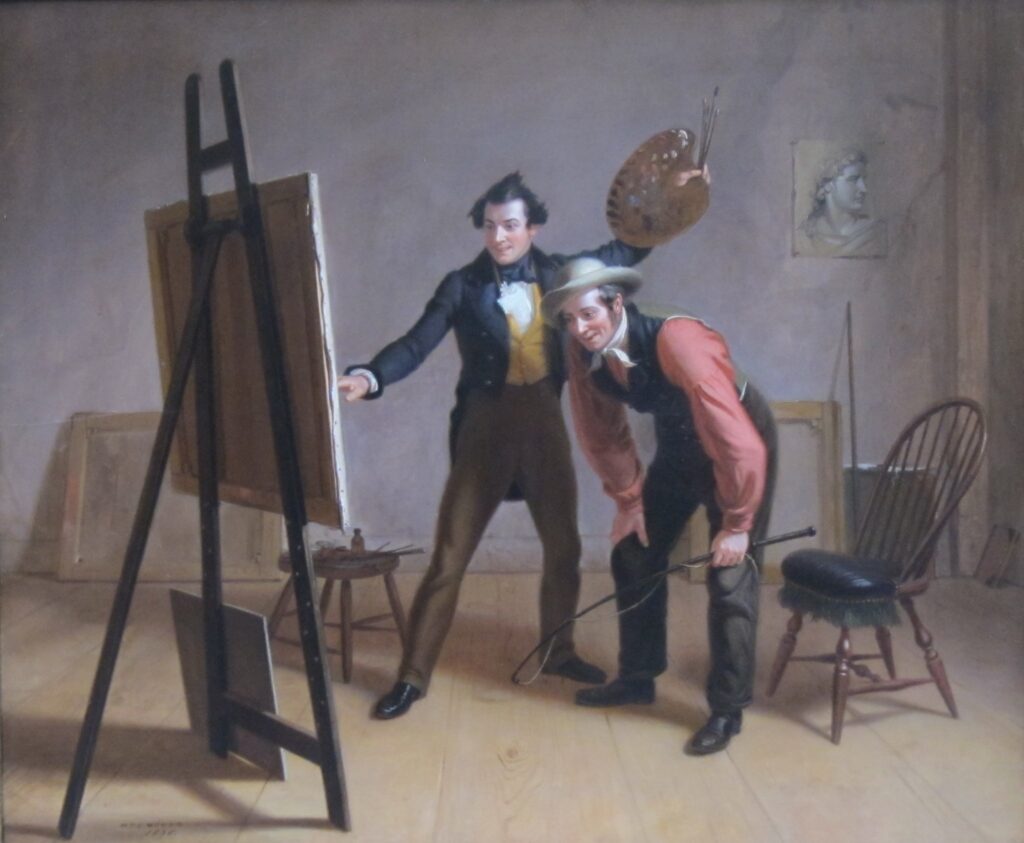
Painter’s Triumph
– 1838
by American artist William Sidney Mount who was born in Setauket on Long Island, New York on November 26, 1807.
Image via Wikimedia Commons, public domain
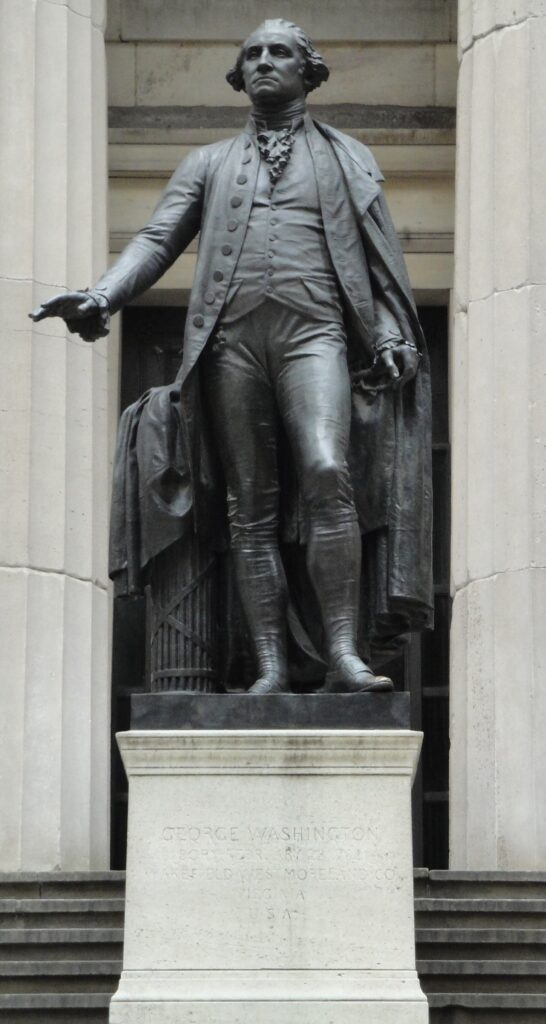
On November 26, 1883, President Chester Arthur attended an unveiling of a bronze statue of George Washington at the Subtreasury building in New York City.
The famous statue, by John Quincy Adams Ward, was placed in the proximity of where George Washington was inaugurated President of the United States.
Image via Wikimedia Commons, public domain
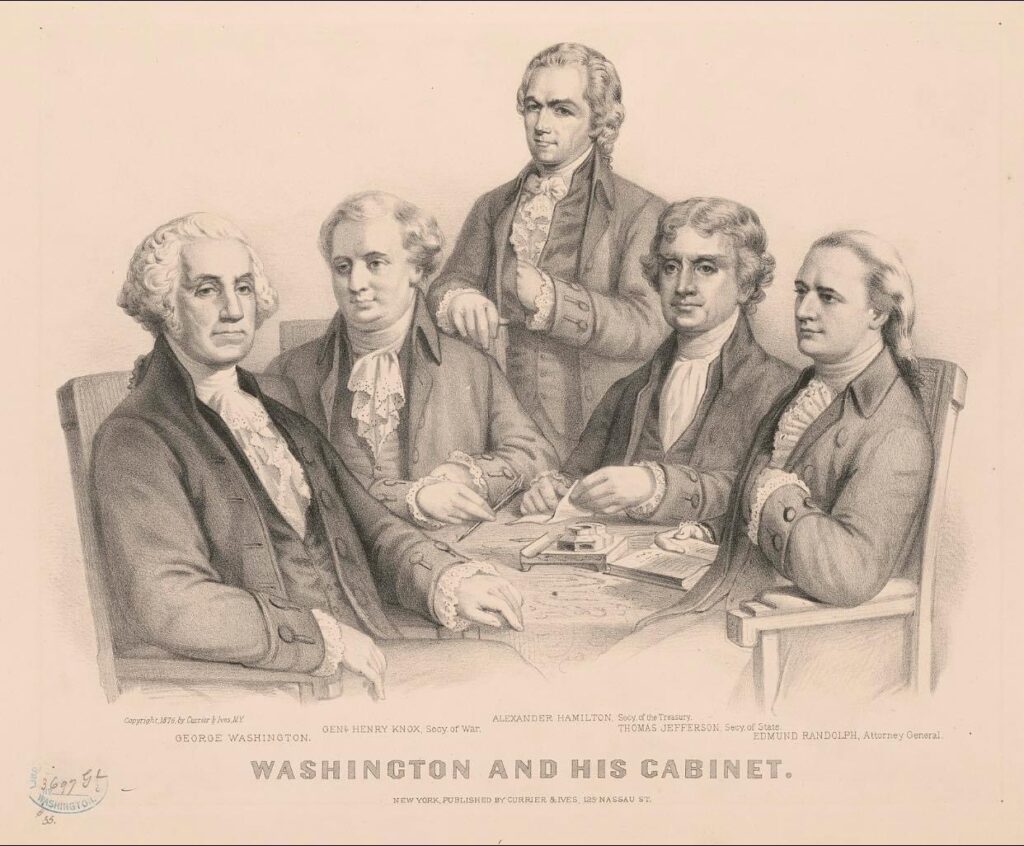
On November 26, 1791, the first Presidential cabinet meeting in U.S. history took place when George Washington’s cabinet held its first meeting.
Image via Wikimedia Commons, public domain
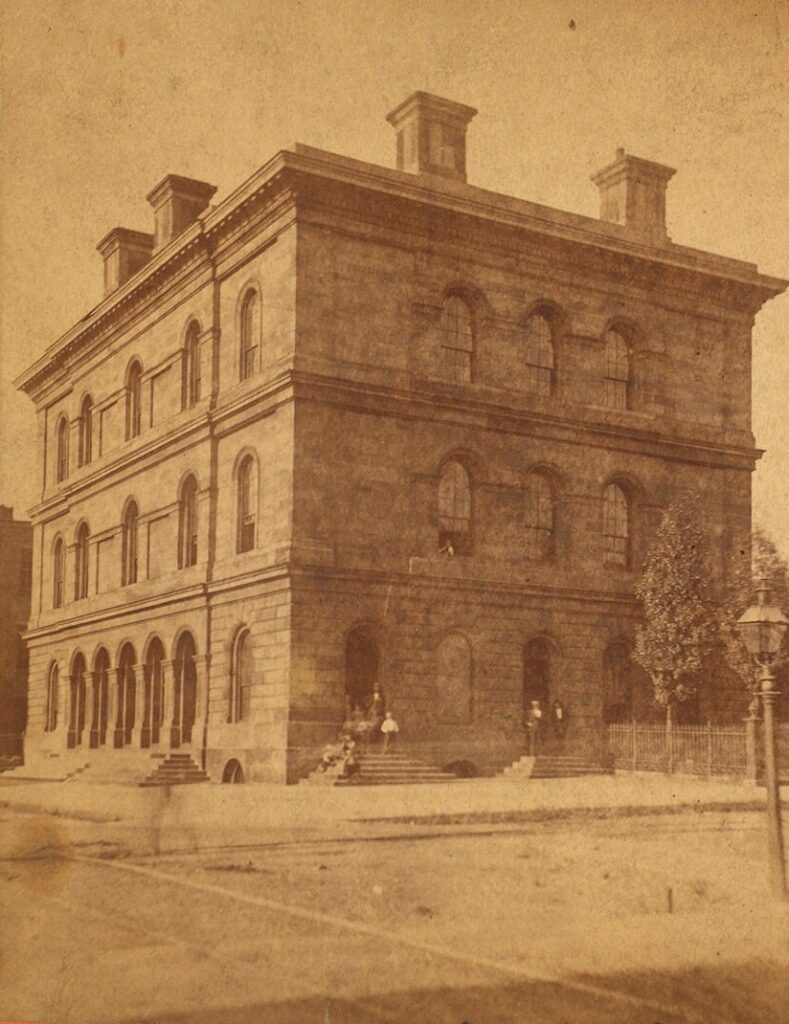
A month after voting to secede from Virginia, delegates met on November 26, 1861 in Wheeling to compose a constitution for what would become their new state.
The constitution wasn’t ratified until two years later.
One of the proposed names for the new state was “Kanawha” but West Virginia was eventually chosen.
Image of Custom House or West Virginia’s Independence Hall where West Virginia’s first constitutional convention convened on November 26, 1861.
Image c. 1880 via Wikimedia Commons, public domain
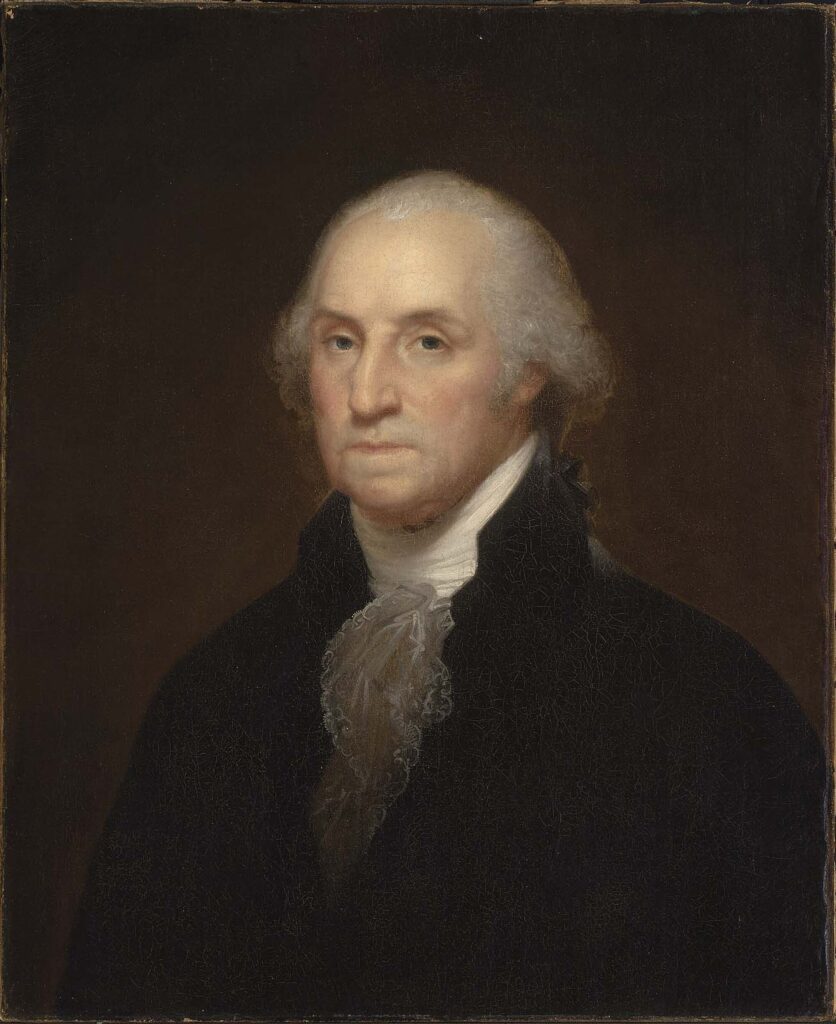
I’m “Now therefore I do recommend and assign Thursday the 26th day of November next to be devoted by the People of these States to the service of that great and glorious Being, who is the beneficent Author of all the good that was, that is, or that will be. That we may then all unite in rendering unto Him our sincere and humble thanks, for His kind care and protection of the People of this Country previous to their becoming a Nation, for the signal and manifold mercies, and the favorable interpositions of His providence, which we experienced in the course and conclusion of the late war, for the great degree of tranquility, union, and plenty, which we have since enjoyed, for the peaceable and rational manner, in which we have been enabled to establish constitutions of government for our safety and happiness, and particularly the national one now lately instituted, for the civil and religious liberty with which we are blessed”
– George Washington, 1789
Image via Wikimedia Commons, public domain
