

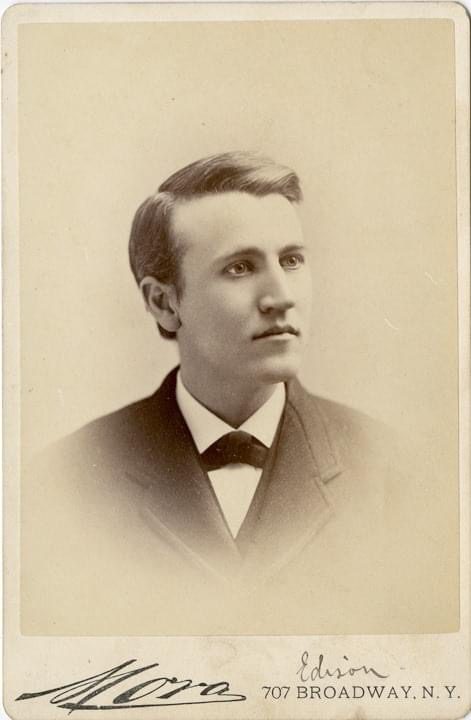
“Then came the historic three days in electric lighting, ending October 21, 1879. Edison, rapidly thinking over possible materials to carbonize, realized that cotton was specially prepared and spun to be as strong as possible in proportion to its fineness. He sent a boy out for a spool of cotton. Even Charles Bachelor, his closest associate, pinned little hope to the plan. How could so weak a thing resist the force of a current that would melt the hardest of metals? A loop of the thread, about two inches long, was laid in a nickel mold, clamped and placed in a muffle furnace, where it was left for five hours. It was then taken out and allowed to cool. Next, the mold was opened and the carbonized thread taken out. It broke to pieces at the lightest touch. Another piece of cotton was carbonized and it broke the same way. For two days and two nights, without rest or sleep, Edison and Bachelor worked on this one experiment alone Two whole spools of thread were used, in two-inch pieces; from this one may realize how many hundreds of disappointments lay in this one heartbreaking series of tests. Only twice in all that time did they succeed in taking from the mold a perfect and unbroken filament, but when they attempted to attach it to the conducting wire, it broke. Another, which showed good signs of strength, was shattered when Bachelor breathed in its direction. All through the experiments, every time either man breathed, he turned his face away from the thread lest the slight current of air should shatter it. Bachelor was extraordinarily deft and delicate with his hands, and a third carbon was made and successfully inserted in the lamp. The air was exhausted and the current turned on. As the current flowed through the carbonized bit of cotton thread, it began to glow with a soft light. In what was little less than an agony of expectation, Edison and Bachelor watched the thread burn. Second after second, minute after minute passed, and the thin filament glowed on steadily. Little by little the current was increased until there was force sufficient to have melted the platinum. But the little carbonized cotton thread burned on. It was still burning, when, after his session of three days and nights, Edison went to bed. It was still burning, when, twenty-three hours later, he got up. It burned for forty-five hours. The problem of electric lighting was solved.” From: Thomas Alva Edison by Francis Rolt-Wheeler, published in 1915 https://archive.org/details/thomasalvaedison00roltrich/page/118/mode/2up Source says not in copyright Image: Cabinet card photo of Thomas Edison in 1879 via Wikimedia Commons, public domain
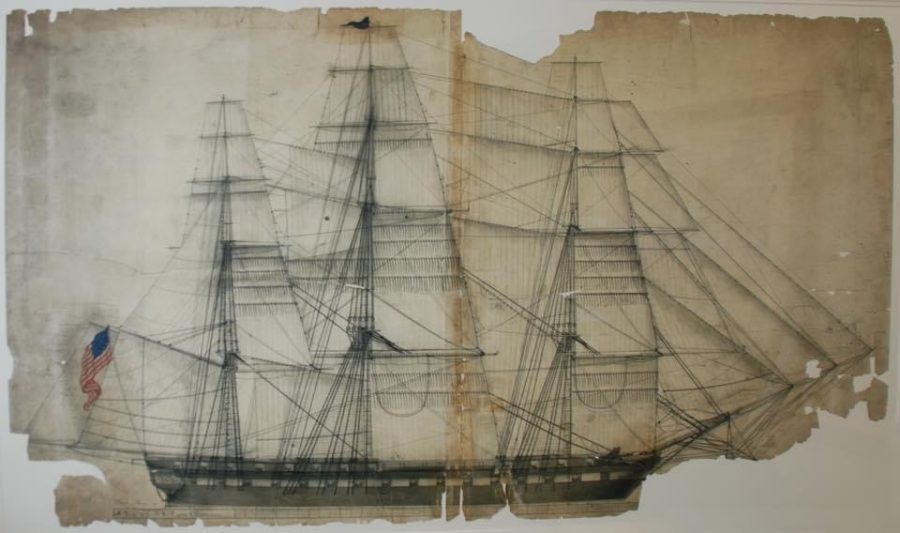
On October 21, 1797, the USS Constitution was launched in Boston Harbor. Image: Constitution. Sail plan via Wikimedia Commons, public domain

On October 21, 1944, Aachen became the first German city captured by Allied forces. Although Aachen sustained heavy damage most civilians had been evacuated. Shown are American G.I.s escorting some of the 5,600 German troops who surrendered during the 3-week battle. Image from NARA via Wikimedia Commons, public domain in the US.
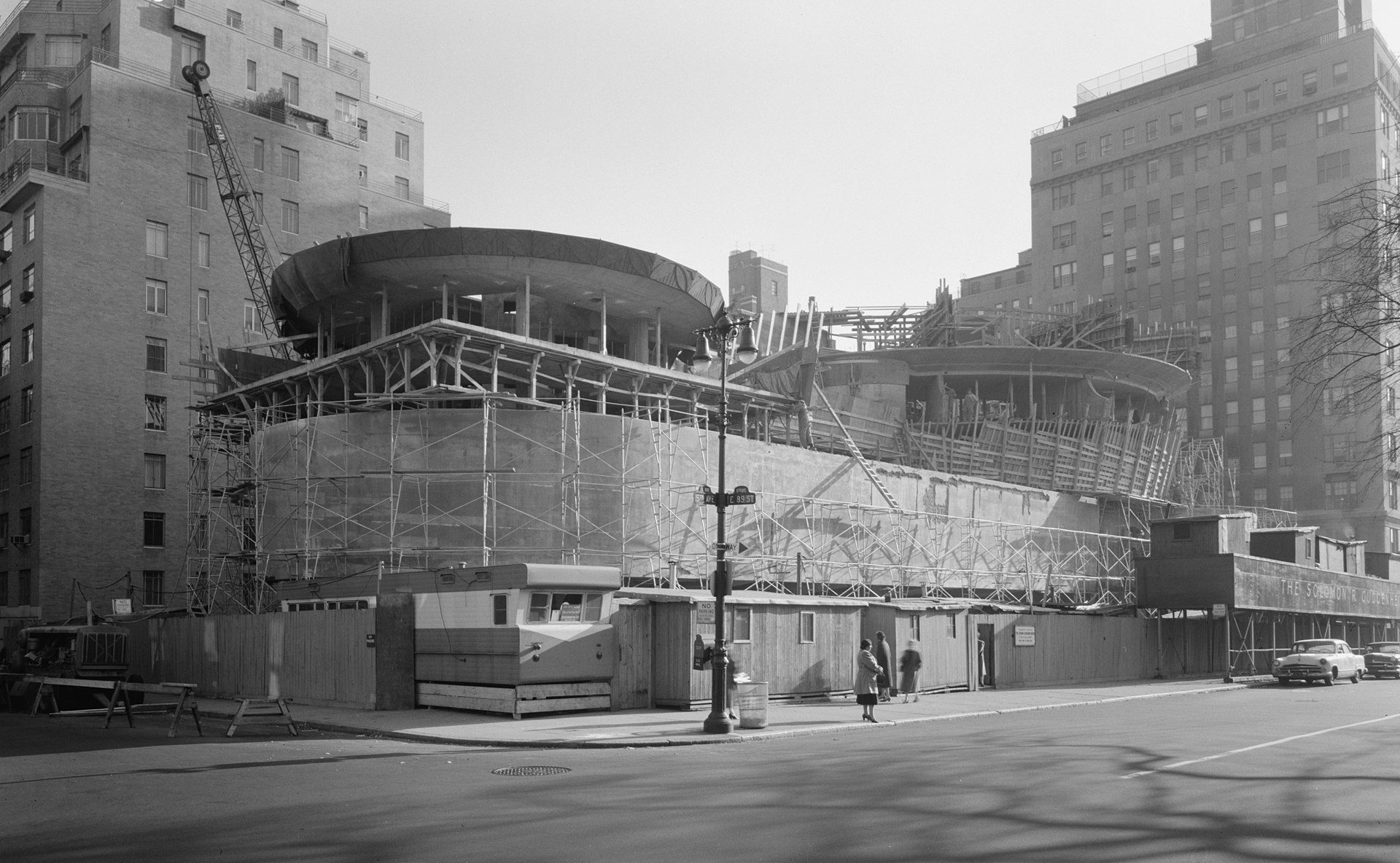
After years of planning and construction, the Solomon R. Guggenheim Museum’s building in New York City, designed by Frank Lloyd Wright, was opened to the public on October 21, 1959. Image of the Guggenheim under construction, two years earlier in 1957, via Wikimedia Commons, public domain
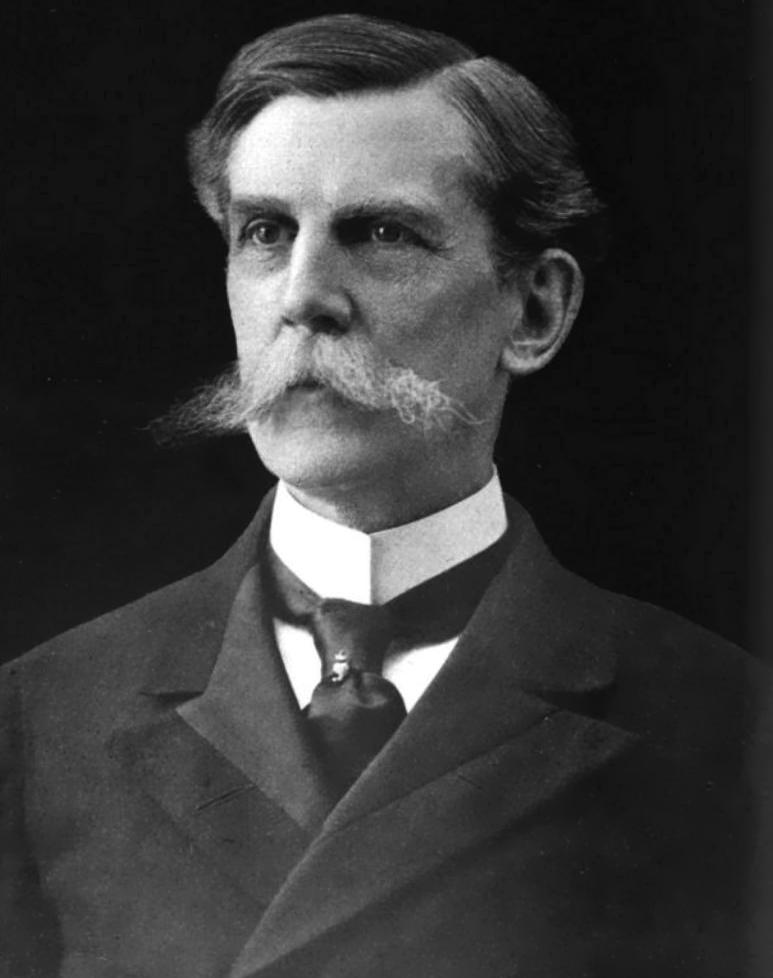
Oliver Wendell Homes Jr. was severely wounded during the Battle of Ball’s Bluff in Virginia on October 21, 1861. The battle, a Confederate victory, claimed the lives of more than 200 Union soldiers. Oliver Wendell Holmes Jr. became an Associate Justice of The U.S. Supreme Court in 1902 and would serve for nearly three decades. Image of Oliver Wendell Holmes Jr. when he was nominated to the U.S. Supreme Court by President Theodore Roosevelt in 1902 via Wikimedia Commons, public domain

Happy birthday to Judith Sheindlin, born in Brooklyn on October 21, 1942. After presiding for 14 years over criminal and family courts in New York she appeared in her “Judge Judy” TV show for 25 seasons. Image by Susan Roberts, CCA-SA 2.0 Generic via Wikimedia Commons.
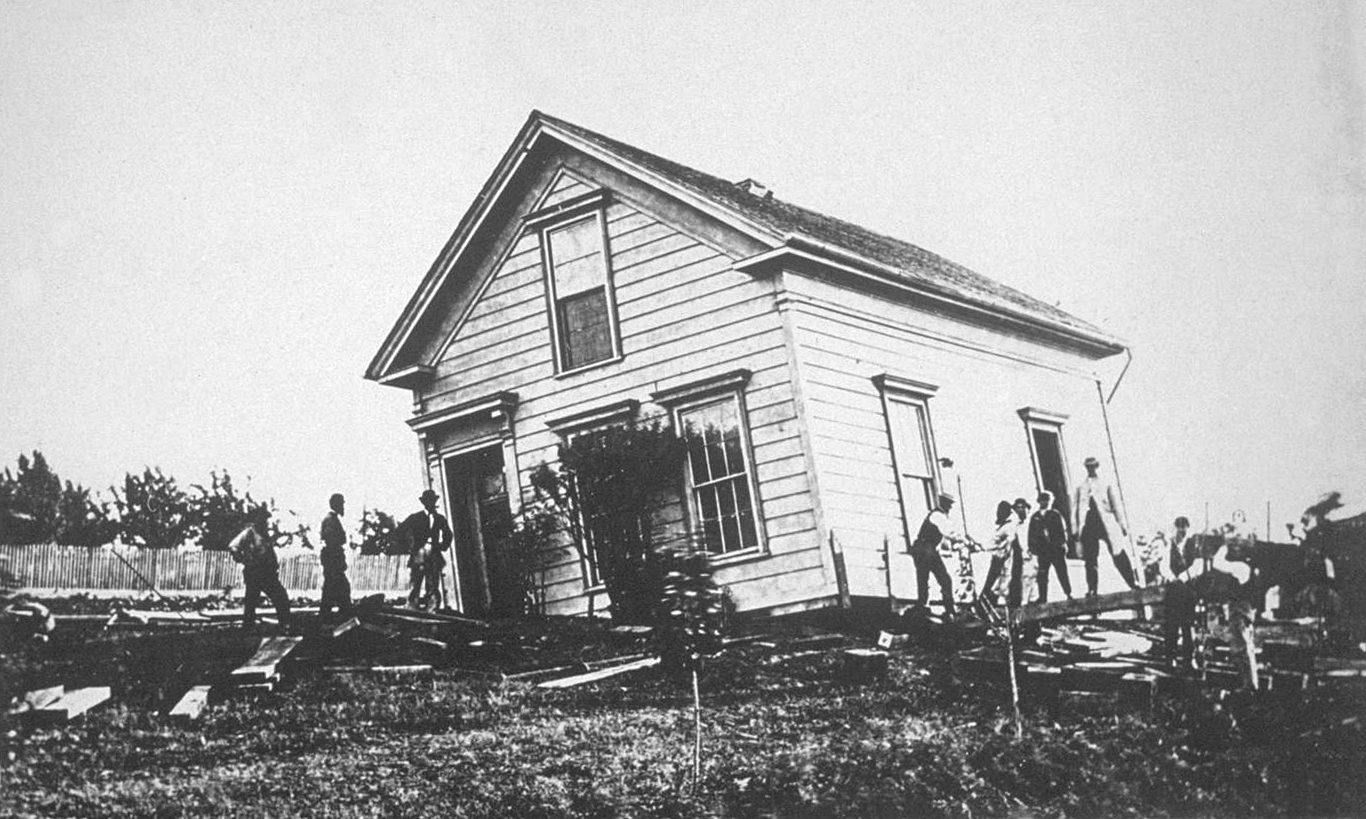
On October 21, 1868 a violent earthquake, known as the Hayward Earthquake, shook the San Francisco Bay Area. Image of a damaged and tilted home in Hayward, California via Wikimedia Commons, public domain
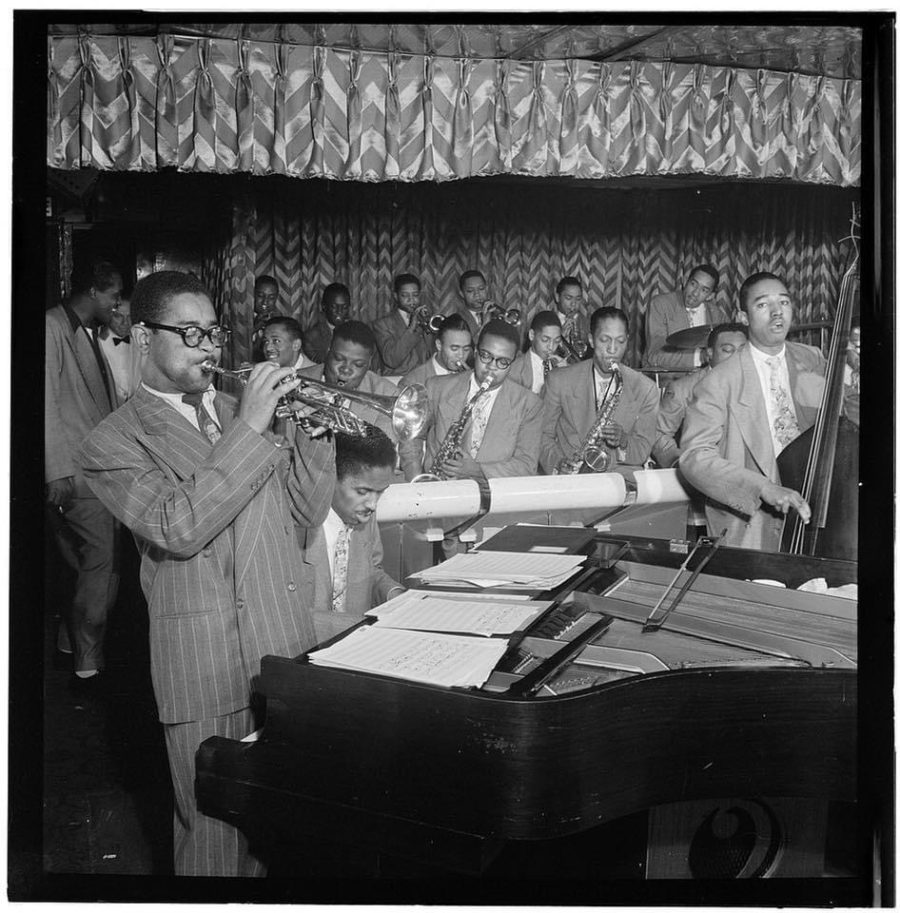
American Jazz legend Dizzy Gillespie was born on October 21, 1917 in Cheraw, South Carolina. Image: D. Gillespie, J. Lewis, C. Payne, M. Davis, R. Brown in the 1940s via Wikimedia Commons, public domain
